
Difference between Money Transfer and Balance Transfer
Difference between Money Transfer and Balance Transfer
When it comes to managing finances, many people encounter terms like money transfer and balance transfer. While they may sound similar, these two financial tools serve very different purposes. Understanding the distinction can help you make better decisions about your personal finances.
What is a Money Transfer?
A money transfer typically refers to the process of moving funds from one bank account to another. This could be within the same bank or across different banks, domestically or internationally. Money transfers are often used for day-to-day needs, such as paying rent, sending money to family, or covering business expenses.
-
How it works: You instruct your bank or a transfer service to send funds from your account to another account. Depending on the service, it can be instant or take a few days.
-
Examples: Online banking transfers, PayPal transactions, or international remittances.
What is a Balance Transfer?
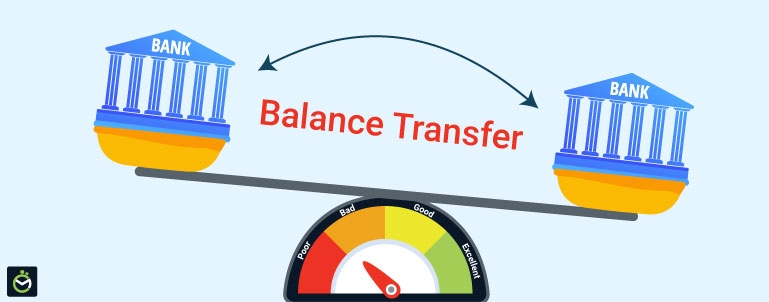
A balance transfer, on the other hand, is specific to credit cards or loans. It involves moving debt from one account (usually with a higher interest rate) to another account with a lower or 0% introductory interest rate. The goal is to save money on interest and pay down debt more efficiently.
-
How it works: You apply for a balance transfer through a credit card issuer. Once approved, your debt from another card or loan is shifted to the new account.
-
Examples: Transferring credit card balances to a 0% APR promotional card.
Key Differences at a Glance
| Aspect | Money Transfer | Balance Transfer |
|---|---|---|
| Purpose | Moving funds between accounts | Moving debt between accounts |
| Used For | Payments, remittances, general transactions | Managing and reducing interest on debt |
| Medium | Bank accounts, transfer services | Credit cards, loans |
| Cost | May involve fees (domestic or international) | Often includes transfer fees (usually a % of balance) |
| Benefit | Convenience, access to funds | Interest savings, debt repayment strategy |
Which One Do You Need?
-
Choose a money transfer if you need to send or receive money quickly.
-
Choose a balance transfer if you want to consolidate debt and reduce interest costs.
By recognizing the difference between these two financial tools, you can better manage both your money and your debt. Making the right choice can save you time, money, and stress in the long run.
- Arts
- Business
- Computers
- Spellen
- Health
- Home
- Kids and Teens
- Money
- News
- Personal Development
- Recreation
- Regional
- Reference
- Science
- Shopping
- Society
- Sports
- Бизнес
- Деньги
- Дом
- Досуг
- Здоровье
- Игры
- Искусство
- Источники информации
- Компьютеры
- Личное развитие
- Наука
- Новости и СМИ
- Общество
- Покупки
- Спорт
- Страны и регионы
- World

 English
 Russian
 French
 Spanish
 Portuguese
 Deutsch
 Turkish
 Italiano
 Arabic
 Romaian
 Portuguese (Brazil)
 Greek
Greek
