
What is Capital Gains Tax?
What is Capital Gains Tax?
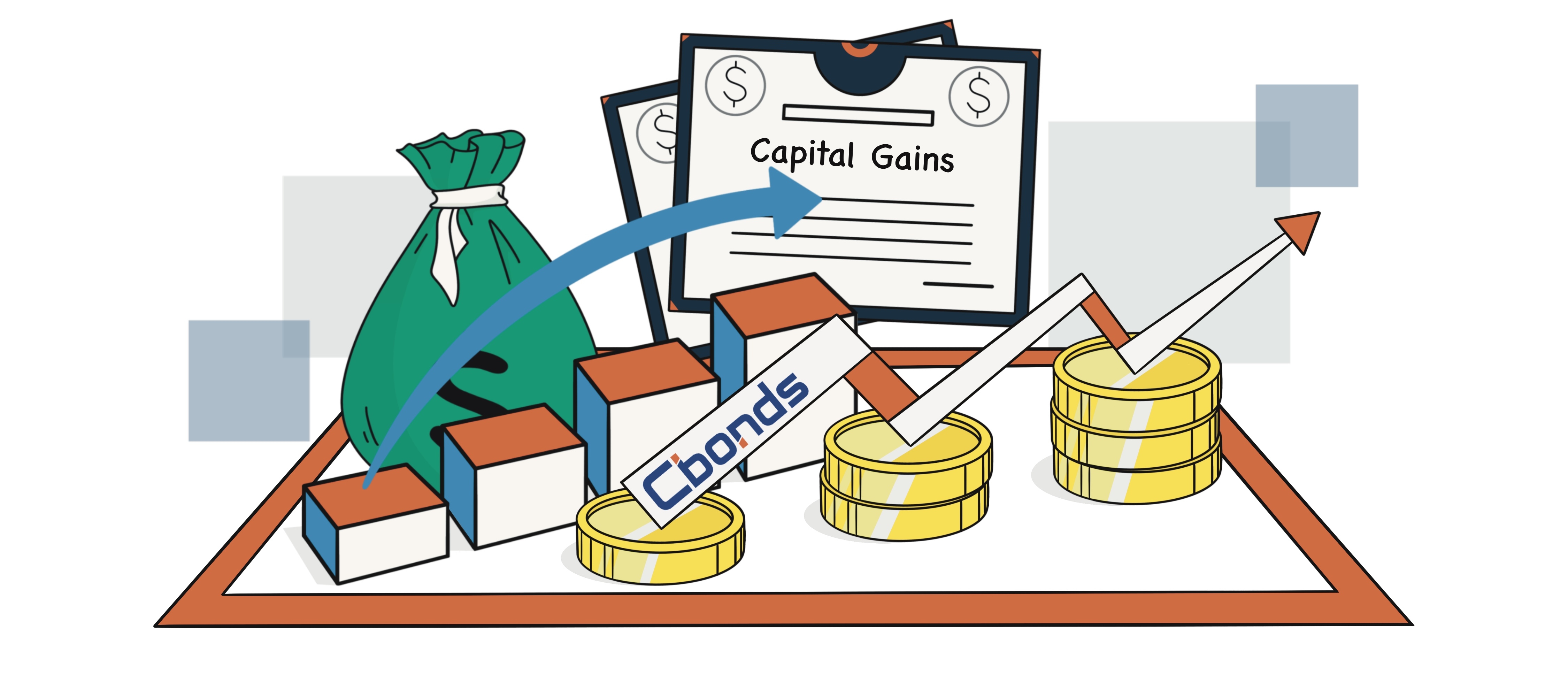
Capital gains tax (CGT) is a government levy on the profit made when you sell, transfer, or otherwise dispose of an asset that has increased in value. Simply put, if you purchase an asset for one amount and later sell it for more, the difference between the buying price (also called the cost basis) and the selling price is your capital gain—and this is what may be taxed.
How Capital Gains Work
When you acquire an asset such as stocks, real estate, or a business interest, its value at the time of purchase becomes your cost basis. If the value rises and you decide to sell, the profit you make is your capital gain.
-
Example: If you bought shares for $5,000 and later sold them for $8,000, your capital gain is $3,000.
Governments tax this gain to generate revenue and to encourage certain types of investment behavior.
Types of Capital Gains
-
Short-term capital gains: These apply to assets held for a short period (often less than a year). They are typically taxed at the same rate as your regular income.
-
Long-term capital gains: These apply to assets held for longer periods (usually more than a year). They often benefit from lower tax rates to encourage long-term investment.
Assets Subject to Capital Gains Tax
Common assets that may trigger CGT include:
-
Stocks and bonds
-
Real estate (excluding primary residences in some jurisdictions)
-
Collectibles such as art, jewelry, or antiques
-
Business assets
Exemptions and Allowances
Many countries provide exemptions or allowances to reduce the burden of capital gains tax. For instance:
-
A primary residence may be excluded from CGT under certain conditions.
-
Some jurisdictions offer an annual tax-free allowance for small gains.
-
Retirement accounts and pensions often have special rules where gains are tax-deferred.
Why It Matters
Understanding capital gains tax is crucial for effective financial planning. Investors, homeowners, and business owners need to factor in CGT when deciding when and how to sell their assets. Strategic timing—such as holding an investment long enough to qualify for long-term rates—can significantly reduce the tax owed.
Final Thoughts
Capital gains tax is an important part of most modern tax systems, balancing government revenue needs with incentives for long-term investing. Whether you’re selling stocks, property, or other valuable assets, being aware of the tax implications can help you make smarter financial decisions and avoid unexpected liabilities.
- Arts
- Business
- Computers
- Jogos
- Health
- Início
- Kids and Teens
- Money
- News
- Personal Development
- Recreation
- Regional
- Reference
- Science
- Shopping
- Society
- Sports
- Бизнес
- Деньги
- Дом
- Досуг
- Здоровье
- Игры
- Искусство
- Источники информации
- Компьютеры
- Личное развитие
- Наука
- Новости и СМИ
- Общество
- Покупки
- Спорт
- Страны и регионы
- World

 English
 Russian
 French
 Spanish
 Portuguese
 Deutsch
 Turkish
 Dutch
Dutch
 Italiano
 Arabic
 Romaian
 Greek
Greek
