
What is APR? How Do Interest Rates Work?
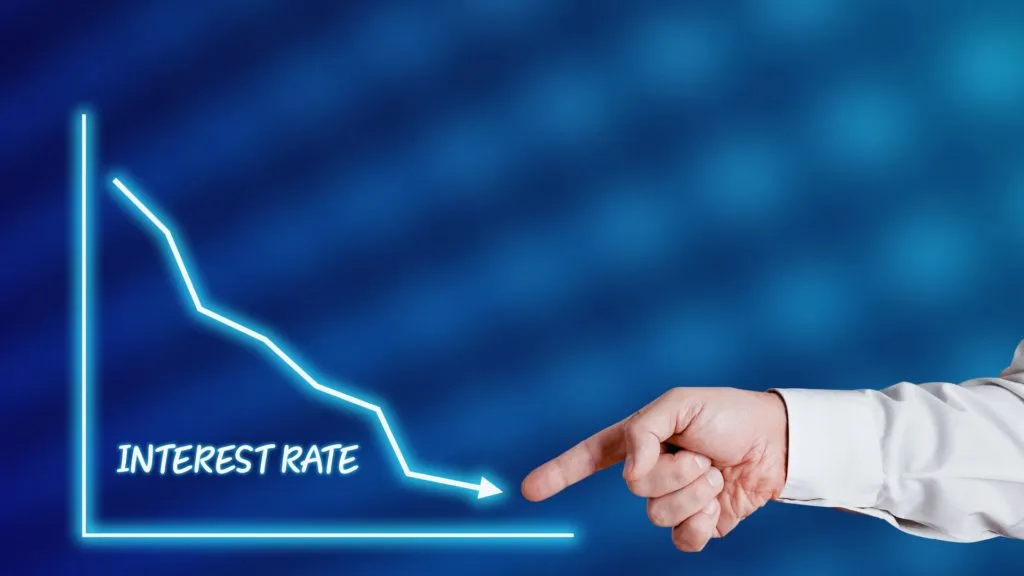
What is APR? How Do Interest Rates Work?
When it comes to borrowing money, whether through a credit card, personal loan, or mortgage, two terms frequently appear: interest rate and APR. Understanding these concepts is crucial to making smart financial decisions and avoiding unexpected costs. Let’s break them down.
What is an Interest Rate?
An interest rate is the cost of borrowing money, expressed as a percentage of the amount borrowed. For example, if you take out a loan of $1,000 with a 5% annual interest rate, you would owe $50 in interest after one year.
Interest rates can be fixed or variable:
-
Fixed Interest Rate: The rate stays the same throughout the loan term. This means predictable monthly payments.
-
Variable Interest Rate: The rate can change over time, often tied to a benchmark like the prime rate or LIBOR. Payments may go up or down depending on market conditions.
Interest is typically calculated in one of two ways:
-
Simple Interest: Calculated only on the original loan amount.
-
Compound Interest: Calculated on the loan amount plus any accumulated interest. This can significantly increase the total cost of a loan over time.
What is APR?
APR stands for Annual Percentage Rate. While the interest rate only reflects the cost of borrowing the principal, APR includes other fees and costs associated with the loan. This might include:
-
Origination fees
-
Closing costs (for mortgages)
-
Service charges
APR provides a more accurate picture of the total cost of borrowing over a year. Because it includes fees, APR is usually higher than the nominal interest rate.
For example, if a loan has a 5% interest rate but includes a $100 processing fee, the APR may be 5.5%. This helps you compare loans more fairly, even if the fees differ.
How Interest Rates and APR Affect You
The difference between interest rates and APR can significantly impact your finances:
-
A lower interest rate may seem attractive, but a higher APR could make the loan more expensive overall.
-
For short-term loans, fees included in APR may be less significant, but for long-term loans like mortgages, they can add up substantially.
Always compare APR, not just the interest rate, when evaluating loans. This ensures you understand the true cost of borrowing.
Key Takeaways
-
Interest rate: The basic cost of borrowing money.
-
APR: The true annual cost, including fees and additional charges.
-
Fixed vs. variable rates: Fixed rates offer stability, variable rates can fluctuate.
-
Smart comparison: Always use APR to compare loan offers for accuracy.
Understanding interest rates and APR can save you hundreds—or even thousands—of dollars over the life of a loan. Before signing any agreement, make sure you know not only the interest rate but also the APR and what it represents.
- Arts
- Business
- Computers
- Oyunlar
- Health
- Home
- Kids and Teens
- Money
- News
- Personal Development
- Recreation
- Regional
- Reference
- Science
- Shopping
- Society
- Sports
- Бизнес
- Деньги
- Дом
- Досуг
- Здоровье
- Игры
- Искусство
- Источники информации
- Компьютеры
- Личное развитие
- Наука
- Новости и СМИ
- Общество
- Покупки
- Спорт
- Страны и регионы
- World

 English
 Russian
 French
 Spanish
 Portuguese
 Deutsch
 Dutch
Dutch
 Italiano
 Arabic
 Romaian
 Portuguese (Brazil)
 Greek
Greek