
How can I save money on groceries, bills, or rent?
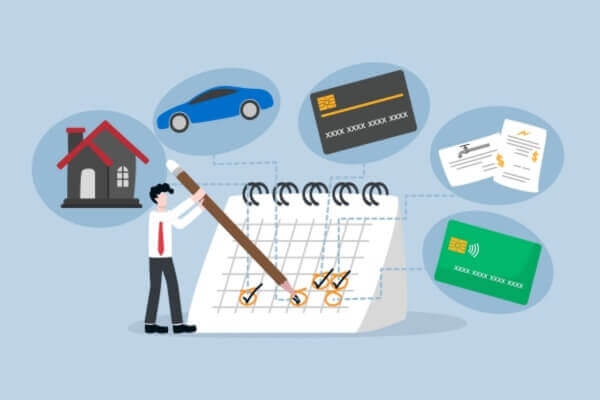
How can I save money on groceries, bills, or rent?
1. Saving Money on Groceries
Groceries are one of the most consistently variable expenses in household budgets. Because food prices fluctuate and impulse buying is common, it’s easy for costs to spiral. Luckily, there are several ways to cut your grocery bill without sacrificing nutrition or convenience.
Plan Ahead
One of the most powerful ways to save is meal planning, even if you only plan three or four meals per week. When you know exactly what you’re cooking, you avoid unnecessary purchases and reduce food waste.
Tips:
-
Create a weekly meal plan based on what’s already in your pantry.
-
Shop with a detailed list and stick to it.
-
Plan meals around ingredients on sale.
Buy Generic
Store brands often provide identical quality to name-brand items at a fraction of the cost. Staples like rice, pasta, canned goods, spices, and cleaning products are easy places to switch.
Use Loyalty Programs and Digital Coupons
Most grocery chains offer apps or loyalty cards that provide discounts, personalized offers, and fuel rewards.
Try:
-
Clipping digital coupons before you shop.
-
Taking advantage of cashback apps like Ibotta or Fetch.
-
Signing up for email alerts about weekly promotions.
Shop in Bulk (Strategically)
Bulk shopping makes sense for items with a long shelf life, such as frozen foods, grains, and cleaning supplies. Avoid buying perishables in large quantities unless you know you will use them.
Purchase Seasonal and Frozen Produce
Fresh produce is healthiest and cheapest when in season. Frozen fruits and vegetables are equally nutritious and often much cheaper, while also lasting longer.
Reduce Meat Consumption
Meat is typically the most expensive part of a grocery bill. Consider implementing:
-
One or two vegetarian dinners per week.
-
Using beans, lentils, eggs, and tofu as cheaper protein alternatives.
Avoid Convenience Foods
Pre-cut fruit, marinated meats, shredded cheese, and single-serve snacks carry a large markup. Prepping your own ingredients saves money and often tastes fresher.
2. Reducing Monthly Bills
Monthly bills—utilities, subscriptions, phone plans, insurance—can be simplified and optimized to save hundreds of dollars annually.
Cut Utility Costs
Utility savings often rely on small behavioral changes that add up over time.
Energy Saving Tips:
-
Switch to LED bulbs.
-
Air-dry clothes when possible.
-
Unplug electronics when not in use.
-
Lower water-heater temperature to 120°F (49°C).
-
Use smart power strips and thermostats.
Heating & Cooling:
-
Seal doors and windows to prevent drafts.
-
Keep blinds closed during hot days to reduce cooling costs.
-
Change HVAC filters regularly.
Audit Your Subscriptions
Streaming services, apps, gym memberships, and online tools often renew unnoticed.
Steps:
-
Review your bank statements for recurring charges.
-
Cancel anything you haven’t used in the last 30 days.
-
Share streaming service plans with friends or family when allowed.
Lower Your Phone & Internet Bills
Telecom providers frequently have hidden promotions or competitive deals.
Strategies:
-
Call your provider and ask about current discounts.
-
Switch to prepaid or MVNO plans (e.g., Mint, Visible, Google Fi).
-
Bundle services only if it truly reduces your cost.
Shop Around for Insurance
Car and renters insurance rates vary widely between providers.
Try:
-
Getting quotes from at least three companies.
-
Raising deductibles (if it fits your risk tolerance).
-
Asking about safe-driver or loyalty discounts.
Use Smart Water Habits
Small changes reduce both water and heating costs.
Examples:
-
Run full loads in the dishwasher and washing machine.
-
Take shorter showers.
-
Fix leaks promptly—drips add up fast.
Improve Financial Organization
Sometimes the biggest savings come from avoiding unnecessary fees.
Habits to adopt:
-
Enable autopay for bills to avoid late fees.
-
Set reminders for due dates.
-
Use budgeting tools (Mint, YNAB, Google Sheets) to stay aware of spending patterns.
3. Saving Money on Rent
Rent is often the largest monthly expense, so reducing it even slightly can provide major relief. While moving may not always be feasible, there are multiple strategies to explore.
Negotiate Your Lease
Many renters don’t realize that rent is often negotiable, especially if you have a good payment history.
Approaches:
-
Politely ask your landlord if rent can remain the same during renewal.
-
Offer to sign a longer lease in exchange for a lower monthly rate.
-
Highlight your reliability as a tenant.
Even a $50 reduction saves $600 per year.
Consider a Smaller Space or Different Neighborhood
If relocating is an option:
-
Look for up-and-coming neighborhoods.
-
Consider studio apartments instead of one-bedrooms.
-
Explore areas with good public transit to reduce commuting costs as well.
Get a Roommate
Splitting a two-bedroom apartment is often drastically cheaper than living alone in a one-bedroom. If you like your current place, you may even be able to convert a home office or large living area into a shared arrangement, depending on the lease terms.
Rent Out a Spare Room or Parking Spot
If allowed by your lease and local laws, renting out unused space can offset costs.
Examples:
-
A spare bedroom.
-
A garage.
-
A driveway or parking space in high-demand areas.
Look for Rentals During the Off-Season
Rental demand typically dips in winter (in many regions), which can lead to significantly better lease offers.
Offer to Help with Maintenance
Some landlords may reduce rent in exchange for small tasks:
-
Lawn care
-
Snow removal
-
Light repairs or painting
-
Maintaining common areas
This is more common in smaller buildings or private rental arrangements.
Take Advantage of Assistance Programs
Depending on your location and income, you may be eligible for:
-
Housing vouchers
-
Utility assistance funds
-
First-time renter programs
-
Subsidized housing lists
Research local nonprofits and government programs that support renters.
4. Building Sustainable Long-Term Habits
Saving money is easier when supported by systems and routines rather than willpower alone.
Create a Realistic Budget
Your budget should reflect:
-
Fixed expenses (rent, insurance)
-
Semi-variable expenses (utilities, groceries)
-
Variable expenses (entertainment, dining out)
-
Savings goals (emergency fund, retirement)
The key is consistency, not perfection.
Practice the “24-Hour Rule” for Purchases
For nonessential items, wait a day before buying. This reduces impulse spending dramatically.
Track All Expenses for 30 Days
Many people are surprised by where their money actually goes. A one-month audit reveals patterns that can be adjusted quickly.
Set Automatic Transfers to Savings
Even small weekly contributions create financial momentum. Automation ensures saving happens without extra thought.
Use the Envelope or Category Method
Cash-based or digital envelope budgeting gives each spending category a fixed allotment. Once the money is gone, you stop spending.
Learn a Few High-Value Cooking Skills
Cooking at home is one of the fastest ways to reduce expenses. Learning to make:
-
Simple soups
-
Stir-fries
-
Pasta dishes
-
Slow-cooker meals
can save hundreds per month compared to takeout.
5. Combining Savings for Greater Impact
When you reduce multiple categories at once—groceries, bills, and rent—you multiply the benefits.
Here’s an example of how small monthly changes add up:
-
Groceries: Save $40/month with meal planning and bulk buying.
-
Bills: Save $35/month by canceling subscriptions and lowering utility usage.
-
Rent: Negotiate $50/month off your lease.
That’s $125/month or $1,500/year—without major lifestyle sacrifices.
If you commit to more aggressive strategies, such as downsizing or finding a roommate, the savings can reach thousands annually.
Final Thoughts
Saving money is rarely about one massive change; it’s about consistently choosing slightly cheaper, smarter options. By strategically reducing grocery spending, managing bills more effectively, and optimizing your housing costs, you can significantly improve your financial health.
Start with just one or two ideas from this article. As the results build up, you’ll feel more confident making bigger changes—ultimately giving yourself more control, less stress, and greater financial freedom.
- Arts
- Business
- Computers
- Jeux
- Health
- Domicile
- Kids and Teens
- Argent
- News
- Personal Development
- Recreation
- Regional
- Reference
- Science
- Shopping
- Society
- Sports
- Бизнес
- Деньги
- Дом
- Досуг
- Здоровье
- Игры
- Искусство
- Источники информации
- Компьютеры
- Личное развитие
- Наука
- Новости и СМИ
- Общество
- Покупки
- Спорт
- Страны и регионы
- World

 English
 Russian
 Spanish
 Portuguese
 Deutsch
 Turkish
 Dutch
Dutch
 Italiano
 Arabic
 Romaian
 Portuguese (Brazil)
 Greek
Greek