
The Best Public Speaking Tips: Techniques and Habits for Confident Delivery
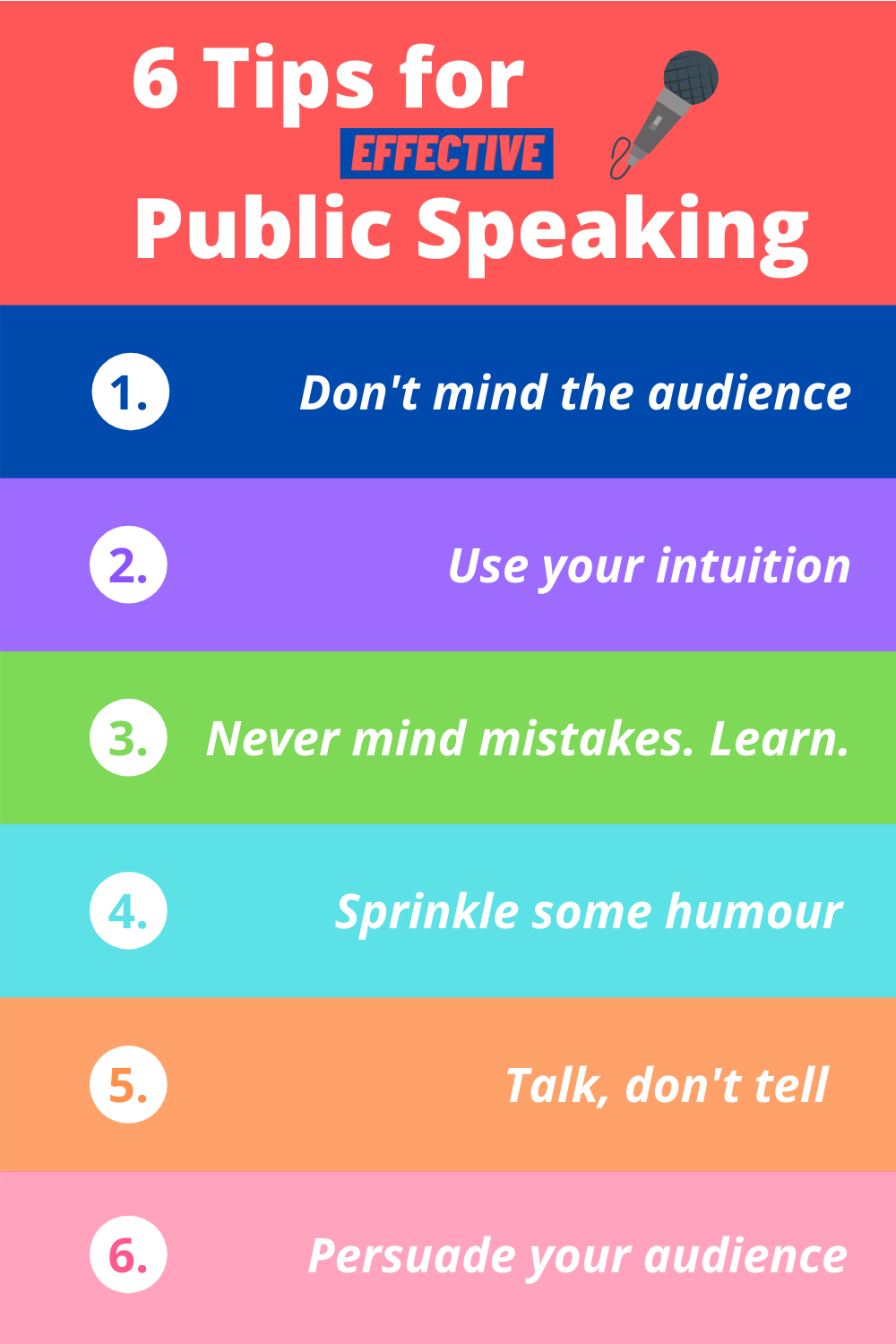
Public speaking can be intimidating, but mastering it opens doors in education, business, leadership, and personal growth. The key to success isn’t just talent; it’s a combination of effective techniques, consistent habits, and deliberate practice. This guide provides the best public speaking tips covering preparation, delivery, body language, voice control, and audience engagement to help you speak confidently and professionally.
1. Understand Your Audience
One of the first rules of public speaking is knowing who you’re talking to. Your message should match the audience’s:
-
Age group
-
Interests
-
Knowledge level
-
Expectations and goals
Tailoring your speech ensures relevance, engagement, and connection. For example, a technical explanation will differ for experts versus novices.
Tip: Conduct a quick survey or ask questions before your speech to gauge audience familiarity.
2. Organize Your Speech Clearly
A well-structured speech is easier to deliver and remember. Use the classic three-part structure:
-
Introduction: Grab attention, introduce the topic, and establish credibility.
-
Body: Present 2–4 main points supported with examples, stories, or evidence.
-
Conclusion: Summarize, reinforce your message, and leave a lasting impression.
Tip: Use signposts and transitions between points to guide the audience smoothly through your speech.
3. Practice Regularly
Practice is more important than natural talent. Rehearsing builds confidence, reduces anxiety, and improves timing.
-
Out loud: Silent practice isn’t enough.
-
Mirror or video: Observe gestures, facial expressions, and body language.
-
In front of others: Get feedback and adjust.
-
Simulate conditions: Practice in the same room or format as your real speech.
Tip: Rehearse with note cards, not a full script, to avoid sounding robotic.
4. Focus on Body Language
Non-verbal communication often matters more than words. Good habits include:
-
Standing tall and relaxed
-
Making eye contact with multiple audience members
-
Using natural gestures to emphasize points
-
Avoiding pacing or fidgeting
Tip: Open posture and confident gestures make your audience more receptive to your message.
5. Control Your Voice
Your voice conveys confidence and engages your audience. Focus on:
-
Volume: Speak loud enough for everyone to hear, but not shouting.
-
Pace: Avoid rushing; use pauses for emphasis.
-
Tone: Vary pitch to avoid monotony and highlight key points.
-
Clarity: Articulate words carefully and avoid filler words like “um” or “like.”
Tip: Record yourself to identify patterns and improve.
6. Use Storytelling Effectively
Stories capture attention and help audiences connect emotionally. Incorporate:
-
Personal experiences
-
Case studies
-
Anecdotes related to your topic
Stories make abstract concepts tangible and memorable.
Tip: Use the “setup → conflict → resolution” structure for maximum impact.
7. Engage Your Audience
Active audience participation keeps attention high:
-
Ask questions
-
Encourage reflection
-
Use humor appropriately
-
Include demonstrations or visuals
Engagement increases retention and makes your speech feel interactive.
Tip: Make eye contact and respond to reactions naturally.
8. Manage Nervousness
Even experienced speakers get nervous. Techniques to calm nerves include:
-
Deep breathing before speaking
-
Positive visualization of success
-
Stretching or light movement
-
Focusing on the message instead of yourself
Tip: Convert nervous energy into enthusiasm to make your delivery dynamic.
9. Refine Your Language
Effective speakers use clear, concise, and compelling language:
-
Avoid jargon unless necessary
-
Use vivid words and metaphors
-
Repeat key phrases to reinforce your message
-
Use rhetorical questions to provoke thought
Tip: Read your speech aloud to check flow and naturalness.
10. Maintain Consistent Habits
Good public speaking is a skill developed through habits:
-
Daily practice: Short exercises or reflections improve skills steadily.
-
Feedback loops: Seek constructive criticism regularly.
-
Observation: Watch experienced speakers and note techniques.
-
Continuous learning: Take courses, join clubs like Toastmasters, and read books on speaking.
Tip: Keep a journal of strengths, weaknesses, and improvement goals.
11. Use Visual Aids Wisely
Slides, props, or charts can enhance comprehension but should not dominate your speech:
-
Keep slides simple, clear, and visually appealing
-
Avoid reading slides verbatim
-
Use visuals to support, not replace, your words
Tip: Practice with your visuals to ensure smooth integration.
12. End Strongly
Your conclusion should be memorable:
-
Summarize key points
-
Reinforce the central message
-
Include a call to action or thought-provoking ending
Tip: Pause before your final line to create emphasis and allow the audience to absorb it.
13. Common Mistakes to Avoid
-
Overloading with information
-
Reading word-for-word from a script
-
Ignoring audience reactions
-
Speaking too fast or too quietly
-
Poor posture or distracting gestures
-
Over-reliance on visuals
-
Lack of preparation
Avoiding these mistakes ensures a professional and confident presentation.
14. Building Long-Term Public Speaking Skills
-
Join clubs: Organizations like Toastmasters provide practice and feedback.
-
Teach or mentor: Speaking to small groups improves skill gradually.
-
Record and review: Identify recurring issues and track progress.
-
Experiment with styles: Try informative, persuasive, motivational, or storytelling approaches.
Public speaking is a journey. Consistency, reflection, and practice lead to improvement over time.
Conclusion
Mastering public speaking is not about eliminating nerves; it’s about preparation, effective techniques, and daily habits. By understanding your audience, structuring your speech, practicing delivery, refining language, and engaging with your listeners, you can deliver impactful, confident, and memorable speeches. Public speaking is a skill that grows stronger with each attempt, making every speech an opportunity for growth and influence.
- Arts
- Business
- Computers
- Jogos
- Health
- Início
- Kids and Teens
- Money
- News
- Personal Development
- Recreation
- Regional
- Reference
- Science
- Shopping
- Society
- Sports
- Бизнес
- Деньги
- Дом
- Досуг
- Здоровье
- Игры
- Искусство
- Источники информации
- Компьютеры
- Личное развитие
- Наука
- Новости и СМИ
- Общество
- Покупки
- Спорт
- Страны и регионы
- World

 English
 Russian
 French
 Spanish
 Deutsch
 Turkish
 Dutch
Dutch
 Italiano
 Arabic
 Romaian
 Portuguese (Brazil)
 Greek
Greek
