
What Should I Do With My Hands While Speaking?
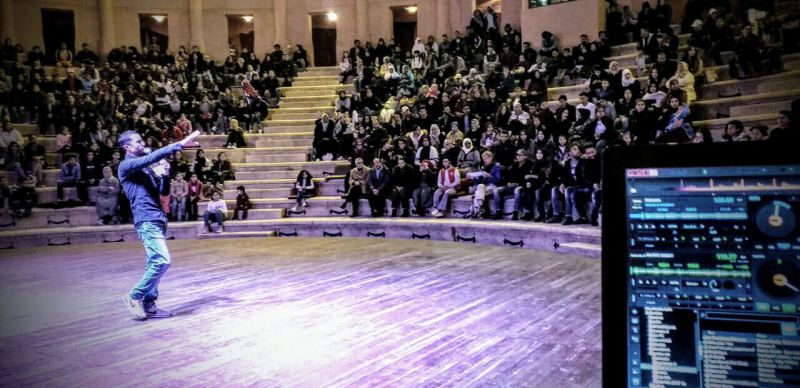
“What do I do with my hands?”
It’s one of the most common public speaking questions ever — especially for teens who are still building confidence. Your hands can either strengthen your message or distract from it. The goal isn’t to hide your hands or force dramatic gestures. The goal is to make them natural, clear, and purposeful.
This article gives you an in-depth guide to hand gestures, body language, nervous habits, and ways to use your hands confidently during any speech or presentation.
Section 1: Why Your Hands Matter in Public Speaking
Your hands influence how your message feels. Audiences use your gestures to interpret:
-
Your confidence
-
Your energy
-
Your clarity
-
Your sincerity
-
Your comfort level
Research shows that when speakers use natural gestures, audiences:
-
Trust them more
-
Understand ideas faster
-
Remember key points better
-
Feel more connected
Your hands are not a problem to solve — they’re a tool to use.
Section 2: The Most Common Hand Mistakes
Many new speakers avoid using their hands or use them awkwardly. Here are common mistakes to avoid:
1. Hiding Your Hands
Examples:
-
Shoving hands in pockets
-
Clasping behind your back
-
Crossing arms
This makes you look closed off or nervous.
2. Over-gesturing
Wild, constant, or exaggerated movements become distracting.
3. “T-Rex Hands”
Keeping your hands close to your chest with tiny movements.
This happens when you feel stiff or unsure.
4. Fidgeting
Habits like:
-
Twisting your fingers
-
Cracking knuckles
-
Playing with sleeves
-
Touching your hair
-
Tapping objects
These signal anxiety and break audience focus.
5. Holding Notes Too Tightly
White-knuckling notecards or gripping a clicker can make your nervousness obvious.
Avoiding these habits is the first step to confident hand use.
Section 3: The “Home Position” — Your Hand Starting Point
The “home position” is a relaxed, neutral way to hold your hands when you aren’t gesturing. It prevents awkwardness and keeps you looking calm.
How to Use the Home Position:
-
Stand tall with relaxed shoulders
-
Place your hands gently at your sides OR loosely together in front of your waist
-
Keep your elbows naturally bent
-
Make sure your hands are visible to the audience
This position feels natural and allows you to gesture easily.
Why the Home Position Works
-
It’s relaxed
-
It keeps gestures from feeling forced
-
It signals confidence
-
It avoids fidgeting
-
It’s easy to return to
Even professional speakers use it.
Section 4: Purposeful Gestures That Strengthen Your Message
Here are gestures that make your speech clear, expressive, and memorable.
1. Number Gestures (1, 2, 3)
When listing points, use your fingers to show numbers.
This helps the audience remember your structure.
2. Emphasis Gestures
Use light, downward movements to highlight important words or sentences.
This adds power without being dramatic.
3. Open-Palm Gestures
Open hands facing the audience communicate:
-
Honesty
-
Openness
-
Confidence
Politicians and TED speakers use this constantly.
4. Descriptive Gestures
Use your hands to “show” the size, shape, or direction of something.
Examples:
-
Spreading hands wide to show something big
-
Holding palms close to show something small
-
Moving your hand upward to show growth
These help your audience visualize your message.
5. Framing Gestures
Use your hands to frame ideas, like drawing an invisible box.
Example: “Here are the three reasons why…”
It organizes your message visually.
Section 5: How to Make Gestures Look Natural
Gestures should feel natural, not forced.
1. Gesture From the Elbows, Not the Shoulders
Shoulder-based gestures look rigid or too large.
Elbow-based gestures look smooth and controlled.
2. Keep Gestures in the “Gesture Box”
Imagine a box from your waist to your chest.
Most gestures should happen here — it looks natural and professional.
3. Use Gestures That Match Your Voice
If your tone is calm, your gestures should be smaller.
If your tone is energetic, slightly bigger gestures fit.
4. Let Gestures Flow With Your Words
Don’t plan every small movement.
Let your hands naturally support your speech.
5. Practice in Front of a Mirror
You’ll quickly see which gestures look good and which feel awkward.
Section 6: What to Do With Notes, Slides, or a Microphone
Sometimes you’ll be holding something during your speech. Here’s how to stay confident anyway.
1. Holding Notes
Use one hand for notes.
Keep the other hand free for gestures.
Keep notecards small — large papers cause distracting movement.
2. Holding a Microphone
Hold the mic around chest height.
Keep your other hand relaxed and gesturing normally.
Don’t grip the mic stand if you’re nervous.
3. Using a Clicker
Hold the clicker in your non-dominant hand so your dominant hand is free to gesture.
Press buttons calmly — avoid fidgeting.
Section 7: What to Do If You Don’t Know Where to Put Your Hands
When you feel stuck, these options help:
-
Return to the home position
-
Keep one hand lightly touching the other
-
Rest your hands gently on the sides of a podium
-
Hold a small object like a notecard (but don’t grip it tightly)
Just avoid hiding or tensing your hands.
Section 8: Calming Nervous Hands
If your hands shake, fidget, or feel awkward, here are quick fixes.
1. Breathe Slowly
Slower breathing reduces shaking.
2. Wiggle Your Fingers Before You Speak
This releases tension and prevents stiffness.
3. Use Intentional Gestures Early
The sooner you gesture naturally, the faster the nervousness fades.
4. Avoid Holding Heavy Objects
Weight increases shaking.
5. Rest One Hand Briefly
Place one hand near your waist for a moment if you need control.
Section 9: How Professionals Use Their Hands
Look at TED speakers, news anchors, and actors. They:
-
Use simple, minimal gestures
-
Keep their palms visible
-
Move naturally
-
Gesture only when it adds meaning
-
Avoid random movement
You can learn a lot by watching short clips and noticing what they don’t do.
Section 10: Practicing Gestures the Right Way
Here’s a practice routine:
1. Record yourself giving a 1-minute speech
Don’t think about gestures — just talk.
2. Watch and observe
What felt natural?
What looked awkward?
3. Add 2–3 planned gestures
Use them at key moments.
4. Practice again and compare
You’ll see big improvements fast.
Section 11: Final Tips for Confident Hand Use
-
Keep gestures smooth and relaxed
-
Don’t copy someone else’s style exactly
-
Use gestures that match your personality
-
Practice with friends or family
-
Don’t overthink it — audiences care about your message, not perfect gestures
The goal is comfort + clarity, not perfection.
Final Thoughts
Your hands can be one of your best tools in public speaking. When used well, they:
-
Highlight your ideas
-
Make you seem confident
-
Keep your audience engaged
-
Improve your communication
-
Support your voice and message
With practice, your gestures will start to feel natural, effortless, and expressive. You don’t need dramatic movements — just relaxed, purposeful ones that support your words.
Every great speaker learned how to use their hands.
You can, too.
- Arts
- Business
- Computers
- Παιχνίδια
- Health
- Κεντρική Σελίδα
- Kids and Teens
- Money
- News
- Personal Development
- Recreation
- Regional
- Reference
- Science
- Shopping
- Society
- Sports
- Бизнес
- Деньги
- Дом
- Досуг
- Здоровье
- Игры
- Искусство
- Источники информации
- Компьютеры
- Личное развитие
- Наука
- Новости и СМИ
- Общество
- Покупки
- Спорт
- Страны и регионы
- World

 English
 Russian
 French
 Spanish
 Portuguese
 Deutsch
 Turkish
 Dutch
Dutch
 Italiano
 Arabic
 Romaian
 Portuguese (Brazil)
