
What Is Pipeline Management?
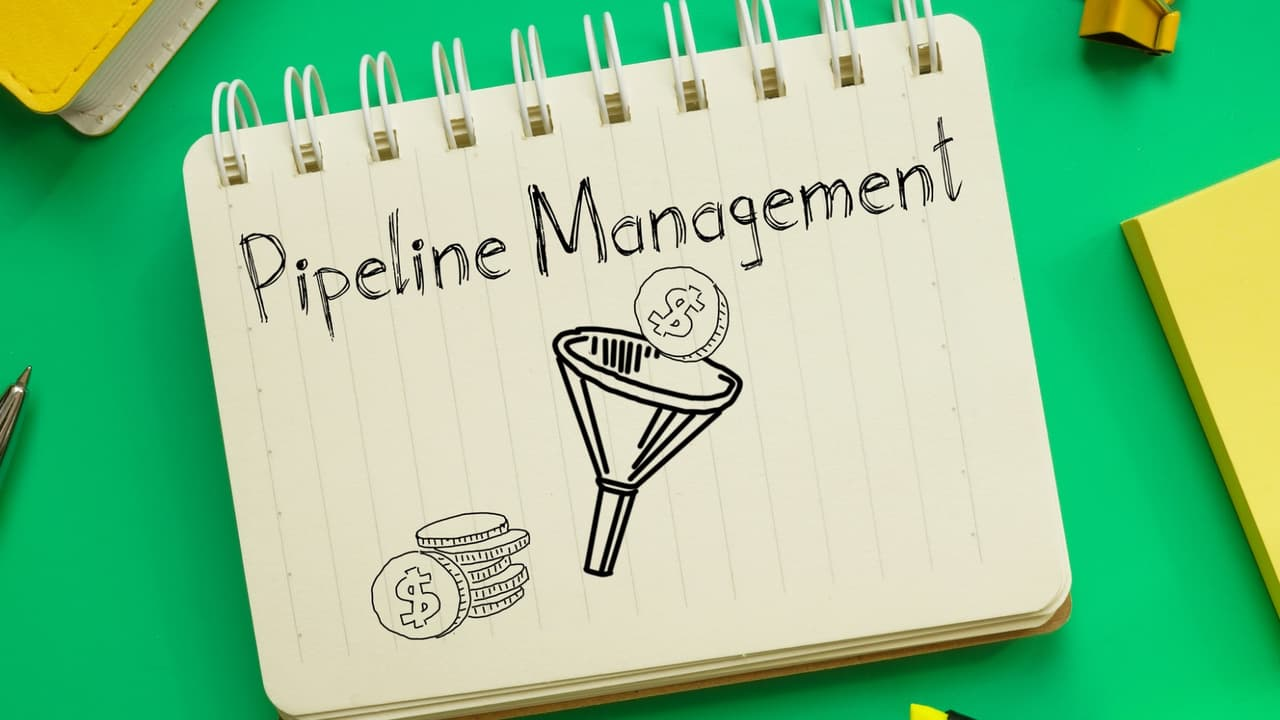
Pipeline management is the engine room of sales management. You can have great salespeople, strong leads, and a solid product — but without effective pipeline management, revenue becomes unpredictable, forecasting breaks down, and deals slip silently through the cracks.
This article explains what pipeline management is, why it matters, how to manage a pipeline effectively, and best practices used by high-performing sales teams.
1. What Is Sales Pipeline Management?
Pipeline management is the process of:
-
tracking deals as they move through sales stages
-
monitoring deal health and progress
-
identifying risks and bottlenecks
-
prioritizing sales activities
-
forecasting revenue accurately
A sales pipeline shows where every opportunity stands and what needs to happen next.
2. Sales Pipeline vs Sales Funnel
Although often used interchangeably, they are different:
-
Sales Funnel: Buyer-focused journey (awareness → decision)
-
Sales Pipeline: Seller-focused process (lead → close)
Pipeline management focuses on execution and control.
3. Why Pipeline Management Is Critical
Effective pipeline management:
-
improves forecast accuracy
-
increases win rates
-
shortens sales cycles
-
prevents deal stagnation
-
helps reps focus on the right opportunities
Poor pipeline management leads to surprises — usually bad ones.
4. What Is a Sales Pipeline?
A sales pipeline is a visual representation of active deals, organized by stage, value, and probability.
Each deal in the pipeline should have:
-
a clear buyer
-
a defined next step
-
an estimated value
-
an expected close date
If it doesn’t, it doesn’t belong in the pipeline.
5. Common Sales Pipeline Stages
Typical stages include:
-
Lead / Prospect
-
Qualification
-
Discovery
-
Proposal / Demo
-
Negotiation
-
Closed Won / Closed Lost
Stages should match how buyers actually buy.
6. Designing the Right Pipeline Stages
Good pipeline stages are:
-
clearly defined
-
mutually exclusive
-
buyer-action-based
-
easy to audit
Avoid vague stages like “thinking” or “in progress.”
7. Entry and Exit Criteria for Pipeline Stages
Each stage must have:
-
entry criteria: what must happen to enter
-
exit criteria: what must happen to move forward
Example:
A deal cannot enter “Proposal” without completed discovery.
8. What Is a Healthy Sales Pipeline?
A healthy pipeline has:
-
sufficient volume
-
balanced stage distribution
-
realistic close dates
-
active buyer engagement
Health matters more than size.
9. Pipeline Coverage Ratio
Pipeline coverage measures how much pipeline is needed to hit quota.
Common benchmarks:
-
3x for transactional sales
-
4–5x for complex B2B sales
Low coverage = missed targets.
10. Pipeline Management vs Deal Management
-
Deal management: focuses on individual opportunities
-
Pipeline management: focuses on the system as a whole
Managers must zoom out, not just zoom in.
11. How Sales Reps Manage Their Pipeline
Effective reps:
-
update pipeline daily
-
remove dead deals
-
focus on next actions
-
prioritize high-probability opportunities
Pipeline hygiene is a habit.
12. How Sales Managers Manage the Pipeline
Managers:
-
review pipeline weekly
-
challenge assumptions
-
identify stalled deals
-
coach reps on next steps
-
adjust forecasts
Pipeline reviews drive accountability.
13. Pipeline Reviews (How to Run Them)
Effective pipeline reviews:
-
focus on deal progress, not excuses
-
ask buyer-centric questions
-
identify risks early
-
end with clear actions
Avoid turning reviews into interrogations.
14. Key Pipeline Review Questions
-
What problem is the buyer solving?
-
Who is the decision-maker?
-
What happens next?
-
What could stop this deal?
-
Why will it close on this date?
If reps can’t answer, the deal is weak.
15. Common Pipeline Metrics
Key pipeline metrics include:
-
total pipeline value
-
pipeline coverage ratio
-
stage conversion rates
-
average deal size
-
sales cycle length
-
win rate
Metrics reveal where improvement is needed.
16. Pipeline Velocity
Pipeline velocity measures how fast deals move:
Velocity = (Deals × Deal Size × Win Rate) ÷ Sales Cycle Length
Increasing velocity boosts revenue without more leads.
17. Identifying Pipeline Bottlenecks
Bottlenecks appear when:
-
deals stall in one stage
-
conversion rates drop
-
sales cycles lengthen
Bottlenecks point to skill or process issues.
18. Managing Stalled Deals
Stalled deals require:
-
re-engagement
-
qualification reassessment
-
clear deadlines
-
sometimes disqualification
Dead deals poison forecasts.
19. Pipeline Hygiene Best Practices
-
remove inactive deals regularly
-
enforce stage criteria
-
update close dates honestly
-
document next steps
Clean pipelines produce reliable forecasts.
20. Sales Forecasting and Pipeline Management
Forecasting relies on:
-
pipeline stage probabilities
-
historical conversion rates
-
deal quality
Bad pipeline data = bad forecasts.
21. Commit, Best Case, and Pipeline Categories
Many teams segment deals into:
-
Commit: highly likely to close
-
Best Case: possible but risky
-
Pipeline: early-stage opportunities
This improves forecast realism.
22. Using CRM for Pipeline Management
CRMs support pipeline management by:
-
visualizing stages
-
tracking activity
-
automating reminders
-
generating reports
CRM discipline is non-negotiable.
23. Automation in Pipeline Management
Automation helps with:
-
follow-up reminders
-
deal aging alerts
-
stage-change triggers
Automation supports consistency, not laziness.
24. Pipeline Management for Different Sales Models
Transactional Sales
-
shorter cycles
-
higher volume
-
simpler pipelines
Enterprise Sales
-
longer cycles
-
fewer deals
-
deeper qualification
Pipeline design must match complexity.
25. Pipeline Management in SaaS
SaaS pipelines focus on:
-
ARR value
-
expansion potential
-
churn risk
-
multi-stakeholder buying
Recurring revenue changes pipeline math.
26. Pipeline Management and Sales Coaching
Pipeline data fuels coaching:
-
where deals stall
-
which reps struggle
-
what skills need improvement
Great coaching starts with pipeline insights.
27. Pipeline Management and Accountability
Clear pipeline rules:
-
reduce sandbagging
-
increase ownership
-
prevent surprises
Everyone must play by the same rules.
28. Common Pipeline Management Mistakes
❌ Overstuffing the pipeline
❌ Inflated close dates
❌ Ignoring dead deals
❌ Skipping pipeline reviews
❌ Relying on gut feelings
These mistakes destroy predictability.
29. Building a High-Performance Pipeline Culture
High-performing teams:
-
treat pipeline data seriously
-
view accuracy as professionalism
-
value transparency
-
coach through numbers
Culture determines pipeline quality.
30. Improving Pipeline Quality (Not Just Quantity)
Better pipeline quality comes from:
-
stronger qualification
-
better discovery
-
honest deal assessment
More deals ≠ more revenue.
31. Pipeline Management for Growth
As teams scale:
-
pipelines become more structured
-
forecasting improves
-
specialization increases
Maturity brings discipline.
32. Pipeline Management Cadence
Recommended cadence:
-
daily rep updates
-
weekly manager reviews
-
monthly forecasting
-
quarterly pipeline audits
Consistency prevents chaos.
33. Pipeline Management and Revenue Predictability
Predictable revenue comes from:
-
clean pipelines
-
disciplined reviews
-
realistic forecasts
Pipeline management is revenue management.
34. Who Owns Pipeline Management?
-
Reps own deal accuracy
-
Managers own pipeline quality
-
Leadership owns forecasting discipline
Shared ownership ensures success.
35. Final Takeaway
Pipeline management is not admin work —
it is the control system of sales.
Effective pipeline management:
-
creates visibility
-
drives accountability
-
improves coaching
-
increases win rates
-
enables predictable growth
If you want better sales results, don’t just demand more deals —
manage the pipeline better.
- Arts
- Business
- Computers
- Jogos
- Health
- Início
- Kids and Teens
- Money
- News
- Personal Development
- Recreation
- Regional
- Reference
- Science
- Shopping
- Society
- Sports
- Бизнес
- Деньги
- Дом
- Досуг
- Здоровье
- Игры
- Искусство
- Источники информации
- Компьютеры
- Личное развитие
- Наука
- Новости и СМИ
- Общество
- Покупки
- Спорт
- Страны и регионы
- World

 English
 Russian
 French
 Spanish
 Deutsch
 Turkish
 Dutch
Dutch
 Italiano
 Arabic
 Romaian
 Portuguese (Brazil)
 Greek
Greek