
How Do You Set Sales Goals and Quotas?
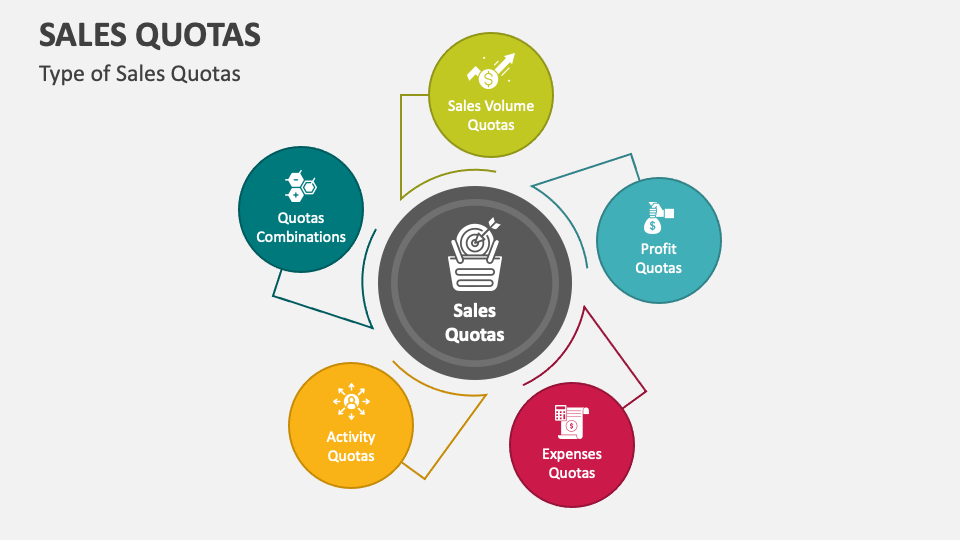
Setting sales goals and quotas is one of the most critical responsibilities in sales management. Done well, goals motivate teams, drive focus, and create predictable growth. Done poorly, they lead to burnout, missed targets, high turnover, and distrust in leadership.
This article provides a complete, practical guide to setting sales goals and quotas, including methodologies, examples, top-down vs bottom-up approaches, quota fairness, and how to adjust goals over time.
1. What Are Sales Goals vs Sales Quotas?
Although related, they are not the same.
-
Sales goals are high-level business targets (revenue, growth, market share).
-
Sales quotas are individual or team-level targets assigned to reps.
Goals define where the business wants to go.
Quotas define what each salesperson is responsible for.
2. Why Sales Goals and Quotas Matter
Well-designed goals and quotas:
-
align sales efforts with business strategy
-
provide clarity and focus
-
motivate consistent performance
-
support accurate forecasting
-
drive accountability
Poorly designed quotas destroy trust and morale.
3. Characteristics of Effective Sales Goals
Effective sales goals are:
-
clear
-
measurable
-
achievable but challenging
-
time-bound
-
aligned with company strategy
Ambiguity kills motivation.
4. Types of Sales Goals
Common sales goals include:
-
total revenue
-
new customer acquisition
-
expansion or upsell revenue
-
deal volume
-
average deal size
-
win rate
-
pipeline coverage
Not all goals should be quota-bearing.
5. What Is a Sales Quota?
A sales quota is a specific performance target assigned to:
-
an individual rep
-
a team
-
a territory
Quotas are usually measured by:
-
revenue
-
units sold
-
number of deals
-
activity levels
Revenue-based quotas are most common.
6. Common Types of Sales Quotas
6.1 Revenue Quotas
Based on total sales value.
Best for:
-
B2B
-
SaaS
-
enterprise sales
6.2 Volume Quotas
Based on number of deals or units sold.
Best for:
-
retail
-
transactional sales
6.3 Activity Quotas
Based on actions taken (calls, meetings).
Best for:
-
SDR teams
-
early-stage sales roles
6.4 Combination Quotas
Blend revenue, volume, and activity.
Best for:
-
complex sales environments
7. Top-Down vs Bottom-Up Goal Setting
Top-Down Approach
Leadership sets targets based on growth objectives.
Pros:
-
aligns with company strategy
Cons:
-
often unrealistic if not grounded in data
Bottom-Up Approach
Targets are built from historical performance and pipeline capacity.
Pros:
-
more realistic
-
higher rep buy-in
Cons:
-
may be less aggressive
Best practice combines both.
8. The Hybrid Goal-Setting Model
High-performing organizations:
-
start with company growth targets
-
validate them against historical data
-
adjust based on market conditions
-
pressure-test with sales managers
This balances ambition and realism.
9. Using Historical Data to Set Quotas
Historical data to analyze:
-
past quota attainment
-
average deal size
-
win rates
-
sales cycle length
-
rep ramp time
Data removes emotion from quota setting.
10. Market and Territory Potential Analysis
Quotas should reflect:
-
territory size
-
account density
-
industry demand
-
competitive landscape
Equal quotas in unequal territories create resentment.
11. Sales Capacity Planning
Sales capacity is determined by:
-
number of reps
-
productivity per rep
-
available selling time
You cannot assign more quota than the team can realistically deliver.
12. Ramp Time and New Hire Quotas
New reps should have:
-
reduced quotas during ramp
-
clear expectations by month
-
structured onboarding support
Full quotas too early increase failure rates.
13. Setting Individual vs Team Quotas
Individual Quotas
-
increase accountability
-
reward top performers
Team Quotas
-
encourage collaboration
-
reduce internal competition
Many teams use a mix of both.
14. Monthly, Quarterly, and Annual Quotas
Annual Quotas
-
align with business planning
-
reduce short-term pressure
Quarterly Quotas
-
allow flexibility
-
adapt to market changes
Monthly Quotas
-
increase urgency
-
require careful pacing
Use cadence that matches your sales cycle.
15. Aligning Quotas With Compensation Plans
Quotas must align with:
-
commission rates
-
accelerators
-
bonuses
-
on-target earnings (OTE)
If reps can’t hit OTE realistically, something is broken.
16. The Role of Pipeline Coverage in Quotas
Quota success depends on:
-
sufficient pipeline coverage
-
strong qualification
-
healthy conversion rates
Quota without pipeline is fantasy.
17. Sales Goal Examples (Practical)
Examples:
-
“Increase new ARR by 25% year-over-year.”
-
“Maintain 4x pipeline coverage per quarter.”
-
“Improve win rate from 22% to 28%.”
Clear goals guide daily behavior.
18. Stretch Goals vs Committed Goals
-
Committed goals: realistic targets reps are expected to hit
-
Stretch goals: ambitious targets for top performers
Separate the two to avoid demotivation.
19. Involving Sales Managers in Quota Setting
Sales managers provide:
-
frontline insights
-
rep-level capacity understanding
-
early warning signals
Ignoring managers leads to unrealistic targets.
20. Communicating Sales Goals and Quotas
Communication should include:
-
rationale behind targets
-
expectations and timelines
-
how success is measured
-
how compensation is affected
Transparency builds trust.
21. Adjusting Quotas Mid-Year
Adjustments may be needed due to:
-
market shifts
-
product changes
-
economic downturns
Changes should be:
-
data-backed
-
consistent
-
communicated clearly
Frequent changes reduce credibility.
22. Managing Missed Quotas
When quotas are missed:
-
diagnose root causes
-
assess skill vs pipeline vs market issues
-
provide coaching and support
Punishment without diagnosis solves nothing.
23. Managing Consistent Overachievement
Overachievement may signal:
-
under-set quotas
-
territory imbalance
Review regularly to maintain fairness.
24. Common Sales Quota-Setting Mistakes
❌ Setting quotas without data
❌ Ignoring territory potential
❌ One-size-fits-all targets
❌ Changing quotas too often
❌ Using quotas as punishment
Mistakes cost revenue and retention.
25. Quotas and Sales Motivation
Motivating quotas:
-
feel achievable
-
reward effort and skill
-
recognize improvement
Fear-based quotas drive short-term behavior only.
26. Using OKRs in Sales Goal Setting
OKRs separate:
-
Objectives: qualitative goals
-
Key Results: measurable outcomes
OKRs complement quotas, not replace them.
27. Quotas for Different Sales Roles
SDRs
-
meetings booked
-
qualified leads
Account Executives
-
revenue
-
deal count
Customer Success / Account Managers
-
expansion revenue
-
retention
Role-specific quotas improve clarity.
28. Sales Goals in B2B vs B2C
B2B
-
longer cycles
-
fewer deals
-
higher deal values
B2C
-
shorter cycles
-
higher volume
-
activity-driven
Goal structures must differ.
29. Reviewing Sales Goals and Quotas
Review cadence:
-
monthly performance checks
-
quarterly trend analysis
-
annual quota redesign
Review prevents long-term misalignment.
30. Linking Sales Goals to Company Vision
Sales goals should support:
-
growth strategy
-
customer segments
-
market positioning
Disconnected goals lead to wasted effort.
31. Accountability Without Fear
Healthy accountability:
-
tracks progress
-
supports improvement
-
encourages ownership
Fear kills honesty and accuracy.
32. The Role of Sales Ops in Goal Setting
Sales operations supports by:
-
modeling scenarios
-
analyzing data
-
ensuring fairness
-
managing systems
Ops turns strategy into execution.
33. Building Trust Through Fair Quotas
Trust increases when reps believe:
-
quotas are achievable
-
leadership used data
-
performance is rewarded fairly
Trust drives effort.
34. Long-Term Impact of Good Quota Design
Good quota design:
-
improves retention
-
increases performance
-
strengthens culture
-
enables scale
Bad quotas create churn and volatility.
35. Final Takeaway
Sales goals and quotas are not just numbers —
they are signals of leadership quality.
Effective sales leaders:
-
use data, not wishful thinking
-
balance ambition with realism
-
communicate clearly
-
review and adjust thoughtfully
When goals and quotas are fair, transparent, and achievable, sales teams don’t need to be pushed —
they pull themselves toward success.
- Arts
- Business
- Computers
- Παιχνίδια
- Health
- Κεντρική Σελίδα
- Kids and Teens
- Money
- News
- Personal Development
- Recreation
- Regional
- Reference
- Science
- Shopping
- Society
- Sports
- Бизнес
- Деньги
- Дом
- Досуг
- Здоровье
- Игры
- Искусство
- Источники информации
- Компьютеры
- Личное развитие
- Наука
- Новости и СМИ
- Общество
- Покупки
- Спорт
- Страны и регионы
- World

 English
 Russian
 French
 Spanish
 Portuguese
 Deutsch
 Turkish
 Dutch
Dutch
 Italiano
 Arabic
 Romaian
 Portuguese (Brazil)
