
Does AdSense Affect Website Speed or SEO?
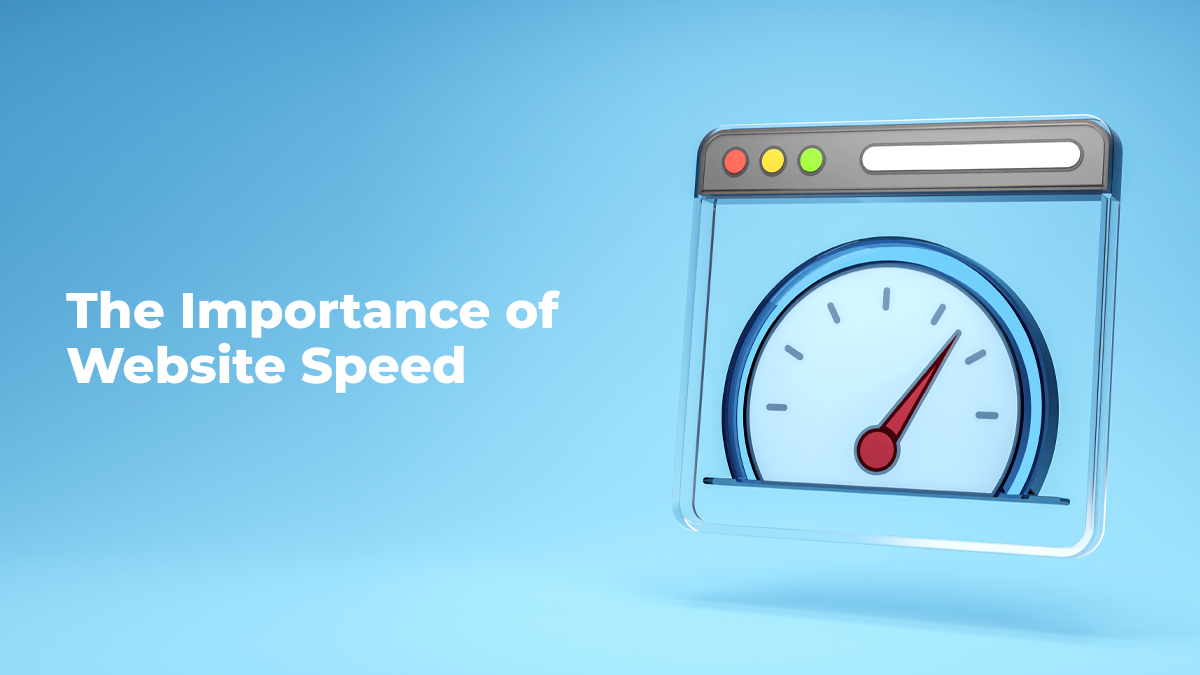
A common concern among publishers is whether Google AdSense slows down websites or hurts SEO rankings. This concern is valid. Page speed, user experience, and technical performance are now critical ranking factors, and ads—when implemented poorly—can negatively affect all three.
The short answer is:
AdSense can affect website speed and SEO—but only if it’s misconfigured or overused.
When implemented correctly, AdSense can coexist with strong SEO and fast-loading pages.
This article provides a deep, practical breakdown of how AdSense affects website speed and SEO, what risks exist, how Google evaluates ad-heavy pages, and how to optimize AdSense without sacrificing rankings.
1. Why Website Speed and SEO Matter More Than Ever
Google’s ranking systems increasingly prioritize:
-
page speed
-
user experience
-
mobile performance
-
engagement signals
Key updates like Core Web Vitals have made performance measurable and enforceable.
Slow sites:
-
rank lower
-
have higher bounce rates
-
earn less from ads
AdSense optimization is therefore both an SEO and revenue issue.
2. How AdSense Works Technically
AdSense ads are delivered via:
-
external JavaScript
-
Google ad servers
-
real-time auctions
When a page loads:
-
Content begins loading
-
AdSense scripts load
-
Ads are requested
-
Auctions run
-
Ads render
Each step introduces potential delay if not optimized.
3. Does AdSense Slow Down Websites?
Yes — but the extent depends on implementation
AdSense can slow a site due to:
-
extra HTTP requests
-
JavaScript execution
-
ad rendering delays
-
layout shifts
However, Google has heavily optimized AdSense over the years. On modern sites, AdSense itself is rarely the main bottleneck.
Most speed problems come from:
-
too many ads
-
poor placement
-
blocking scripts
-
lack of lazy loading
4. AdSense and Core Web Vitals
Google measures user experience using Core Web Vitals:
4.1 Largest Contentful Paint (LCP)
Ads can affect LCP if:
-
ads load above-the-fold
-
ad containers push content down
-
large ad creatives delay main content
Best practice:
Ensure the main content loads before ads.
4.2 First Input Delay (FID)
JavaScript-heavy ad setups can:
-
block the main thread
-
delay interactions
AdSense is generally optimized, but stacking multiple ad scripts can hurt FID.
4.3 Cumulative Layout Shift (CLS)
CLS is the biggest AdSense-related SEO risk.
Layout shifts happen when:
-
ads load after content
-
ad sizes aren’t reserved
-
dynamic ads push text down
High CLS scores hurt rankings and user trust.
5. Does AdSense Hurt SEO Rankings Directly?
No — AdSense itself does not directly harm SEO.
Google does NOT penalize sites for:
-
using AdSense
-
monetizing content
-
showing ads
However, Google DOES penalize:
-
poor user experience
-
intrusive ad layouts
-
slow-loading pages
-
deceptive ad placement
The issue is how ads are used, not the fact that they exist.
6. Google’s Stance on Ads and SEO
Google explicitly allows monetization but enforces:
-
Page Experience signals
-
Helpful Content guidelines
-
Ad placement standards
Ads must not:
-
overwhelm content
-
interrupt reading
-
trick users into clicking
AdSense-compliant ≠ SEO-optimized by default.
7. Ad Density and SEO
Excessive ads harm SEO indirectly by:
-
increasing bounce rates
-
reducing dwell time
-
frustrating users
Google evaluates:
-
content-to-ad ratio
-
above-the-fold content visibility
If users see mostly ads before content, rankings suffer.
8. Above-the-Fold Ads and SEO
Above-the-fold ads are allowed—but risky.
Problems occur when:
-
content is pushed below ads
-
ads dominate the first screen
-
pop-ups block reading
SEO-safe rule:
The main content should be immediately visible without scrolling.
9. Intrusive Ads and Penalties
Google penalizes:
-
pop-ups on mobile
-
auto-playing video ads with sound
-
interstitials blocking content
These penalties affect:
-
mobile rankings
-
engagement metrics
AdSense itself doesn’t create pop-ups—but Auto Ads can if misconfigured.
10. AdSense Auto Ads: Speed and SEO Impact
Auto Ads use AI to place ads dynamically.
Pros
-
optimized placements
-
minimal setup
-
adaptive layouts
Cons
-
unpredictable placement
-
risk of CLS
-
occasional over-monetization
Best practice:
Use Auto Ads cautiously and manually control sensitive placements.
11. How AdSense Affects Mobile SEO
Mobile-first indexing means:
-
mobile speed matters more than desktop
-
ad overload hurts rankings faster
Common mobile ad mistakes:
-
sticky ads covering content
-
too many in-content ads
-
slow-loading creatives
Mobile optimization is non-negotiable.
12. AdSense and Page Speed Scores
Tools like:
-
PageSpeed Insights
-
Lighthouse
-
GTmetrix
Often flag:
-
render-blocking scripts
-
unused JavaScript
-
layout shifts
AdSense may appear in reports, but it’s rarely the only issue.
13. How to Use AdSense Without Hurting Speed
13.1 Enable Lazy Loading for Ads
Lazy loading:
-
delays ad loading until visible
-
improves LCP and FID
Many modern themes and plugins support this.
13.2 Reserve Ad Space (Critical for CLS)
Always define:
-
width
-
height
This prevents content from jumping when ads load.
13.3 Limit the Number of Ads
More ads ≠ more money.
Too many ads:
-
reduce UX
-
lower RPM
-
increase ad blindness
Focus on high-performing placements, not quantity.
13.4 Avoid Blocking Scripts
Never load AdSense:
-
synchronously
-
in the page head without async
Use Google’s recommended async code.
14. AdSense vs Other Ad Networks (SEO Impact)
AdSense is generally:
-
lighter than many third-party networks
-
more SEO-friendly
-
better optimized for Core Web Vitals
Some aggressive ad networks:
-
inject heavy scripts
-
cause major CLS
-
slow down sites significantly
AdSense is one of the safest options for SEO.
15. Hosting and Infrastructure Matter
Poor hosting amplifies ad impact.
To minimize slowdown:
-
use fast hosting
-
enable CDN
-
compress images
-
cache pages
Ads perform better on fast sites.
16. Does AdSense Affect Crawl Budget?
AdSense does not affect crawl budget directly.
Googlebot:
-
ignores ads
-
focuses on content
However, slow-loading pages can reduce crawl efficiency indirectly.
17. AdSense and Content Quality Signals
Ad-heavy pages with thin content:
-
rank poorly
-
trigger Helpful Content issues
High-quality content offsets ad presence.
Rule of thumb:
Content first. Ads second. Always.
18. UX Metrics That Matter for SEO
Ads influence:
-
bounce rate
-
time on page
-
pages per session
Negative UX metrics signal poor quality to search engines.
19. Common AdSense SEO Mistakes
❌ Too many above-the-fold ads
❌ No reserved ad space
❌ Excessive Auto Ads
❌ Ignoring mobile UX
❌ Slow hosting
❌ Prioritizing revenue over users
These mistakes are avoidable.
20. Can Removing Ads Improve Rankings?
Sometimes, yes.
Publishers often see ranking improvements after:
-
reducing ad density
-
improving CLS
-
cleaning layouts
Short-term revenue loss can lead to long-term traffic gains.
21. Revenue vs SEO Trade-Off
Smart publishers balance:
-
monetization
-
performance
-
growth
SEO traffic compounds.
Ad revenue depends on traffic.
Protect traffic first.
22. Measuring Ad Impact Correctly
Use:
-
Google Search Console (Core Web Vitals)
-
PageSpeed Insights
-
AdSense reports
-
Google Analytics engagement metrics
Measure before making changes.
23. AdSense and Long-Term SEO Strategy
AdSense works best when:
-
paired with evergreen content
-
supported by SEO growth
-
optimized continuously
Short-term monetization should never sabotage long-term authority.
24. Myths About AdSense and SEO
❌ “Google ranks AdSense sites higher”
❌ “Ads automatically hurt SEO”
❌ “More ads = more money”
None of these are true.
25. Best Practices Summary
To use AdSense safely:
-
optimize Core Web Vitals
-
reserve ad space
-
limit ad density
-
prioritize content
-
test layouts regularly
26. Final Takeaway
AdSense does not inherently harm website speed or SEO —
poor implementation does.
When used correctly:
-
AdSense can coexist with fast pages
-
rankings remain stable
-
revenue grows sustainably
The key principle is simple:
Build for users first. Monetize second. Optimize continuously.
Sites that respect this principle win in both SEO and AdSense earnings.
- Arts
- Business
- Computers
- الألعاب
- Health
- الرئيسية
- Kids and Teens
- مال
- News
- Personal Development
- Recreation
- Regional
- Reference
- Science
- Shopping
- Society
- Sports
- Бизнес
- Деньги
- Дом
- Досуг
- Здоровье
- Игры
- Искусство
- Источники информации
- Компьютеры
- Личное развитие
- Наука
- Новости и СМИ
- Общество
- Покупки
- Спорт
- Страны и регионы
- World

 English
 Russian
 French
 Spanish
 Portuguese
 Deutsch
 Turkish
 Dutch
Dutch
 Italiano
 Romaian
 Portuguese (Brazil)
 Greek
Greek