
What Are the Different Types of Advertising?
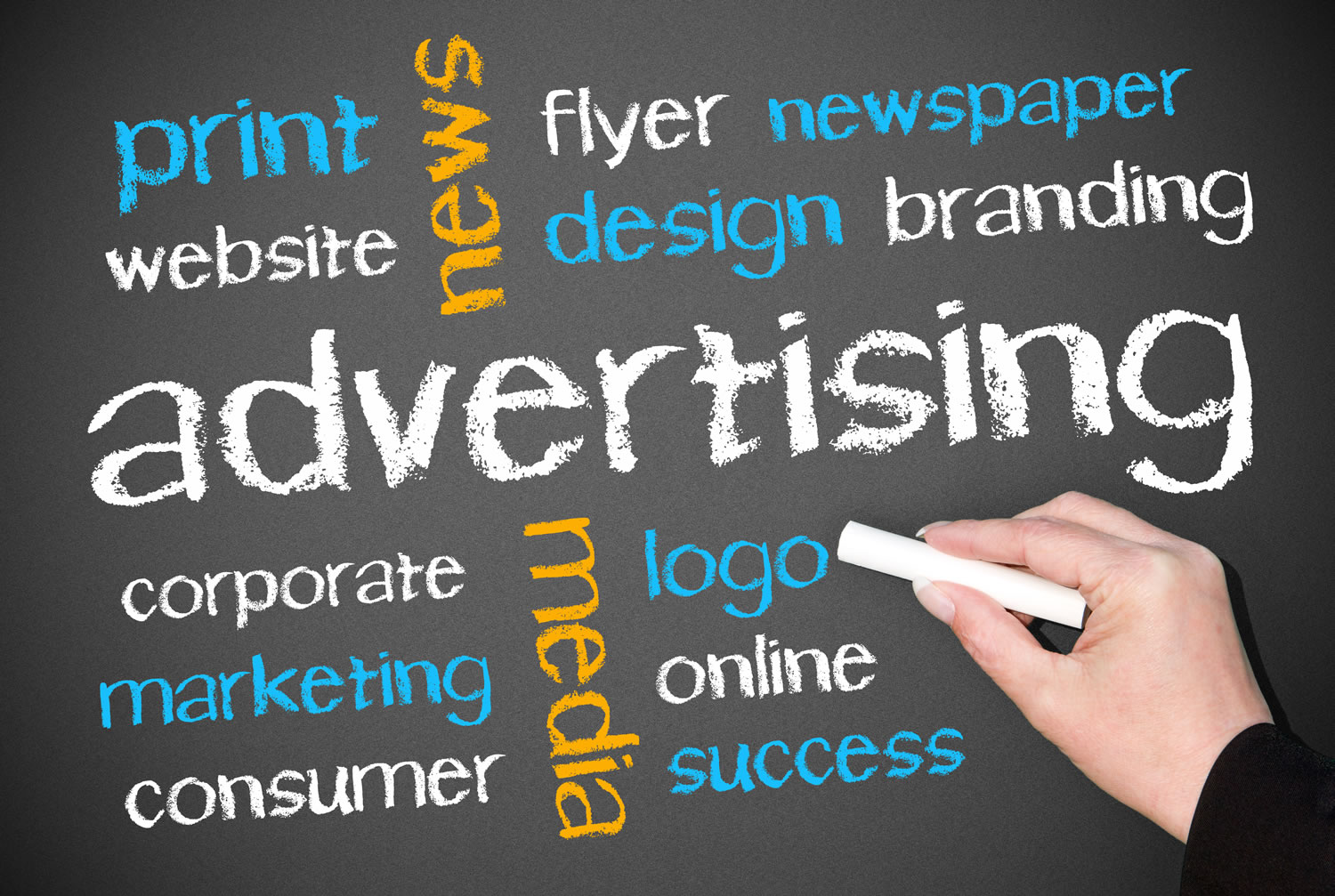
Advertising is one of the oldest and most powerful tools businesses use to attract attention, influence behavior, and drive sales. While the core purpose of advertising has remained the same — to promote products, services, or ideas — the methods, channels, and technologies have evolved dramatically.
Today, advertising exists across dozens of formats and platforms, each with its own strengths, costs, audiences, and strategic use cases. Understanding the different types of advertising helps businesses choose the right mix to reach their audience effectively and efficiently.
This in-depth guide explains all major types of advertising, including digital, print, TV, radio, outdoor, and social media advertising, with examples, advantages, disadvantages, and best-use scenarios for each.
1. What Is Advertising? (Quick Context)
Advertising is a paid form of communication designed to:
-
inform
-
persuade
-
remind
-
influence purchasing behavior
It is distinct from public relations or organic marketing because it involves paid placement and controlled messaging.
2. Why Understanding Advertising Types Matters
Choosing the wrong advertising type can lead to:
-
wasted budget
-
low engagement
-
poor ROI
Choosing the right mix allows businesses to:
-
reach the right audience
-
deliver the right message
-
at the right time
-
through the right channel
There is no single “best” advertising type — effectiveness depends on goals, audience, budget, and timing.
3. High-Level Categories of Advertising
Advertising can be broadly grouped into:
-
Digital advertising
-
Print advertising
-
Broadcast advertising (TV & radio)
-
Outdoor advertising
-
Social media advertising
Each category contains multiple subtypes with distinct characteristics.
4. Digital Advertising
Digital advertising refers to online ads delivered through digital channels. It is currently the largest and fastest-growing advertising category worldwide.
4.1 Search Engine Advertising (Search Ads)
Search ads appear on search engines like Google and Bing.
Examples:
-
Google Search Ads
-
Bing Ads
How it works:
-
Advertisers bid on keywords
-
Ads appear when users search for those terms
Advantages:
-
High intent traffic
-
Measurable ROI
-
Strong conversion rates
Disadvantages:
-
Competitive keywords can be expensive
-
Limited branding impact
Best for:
-
Lead generation
-
E-commerce
-
Local services
4.2 Display Advertising
Display ads are visual ads shown on websites, apps, and platforms.
Examples:
-
Banner ads
-
Image ads
-
Rich media ads
Advantages:
-
Broad reach
-
Visual branding
-
Retargeting capabilities
Disadvantages:
-
Lower click-through rates
-
Banner blindness
Best for:
-
Brand awareness
-
Retargeting campaigns
4.3 Video Advertising (Digital)
Video ads appear before, during, or after online video content.
Examples:
-
YouTube ads
-
In-stream ads
-
Pre-roll and mid-roll ads
Advantages:
-
High engagement
-
Strong storytelling potential
Disadvantages:
-
Higher production cost
-
Can be skipped or ignored
Best for:
-
Brand storytelling
-
Product demonstrations
4.4 Native Advertising
Native ads blend into the surrounding content.
Examples:
-
Sponsored articles
-
Recommendation widgets
Advantages:
-
Less intrusive
-
Higher engagement
Disadvantages:
-
Can blur editorial boundaries
-
Requires quality content
Best for:
-
Content-driven brands
-
Thought leadership
4.5 Programmatic Advertising
Programmatic advertising uses automation and AI to buy ad space in real time.
Advantages:
-
Efficient targeting
-
Real-time optimization
Disadvantages:
-
Complex setup
-
Less transparency
Best for:
-
Large-scale campaigns
-
Data-driven marketers
5. Social Media Advertising
Social media advertising is a subset of digital advertising but deserves its own category due to its scale and targeting power.
5.1 Facebook and Instagram Ads
Formats:
-
Image ads
-
Video ads
-
Carousel ads
-
Story ads
Advantages:
-
Advanced targeting
-
Strong visual engagement
Disadvantages:
-
Competitive pricing
-
Creative fatigue
Best for:
-
E-commerce
-
Brand awareness
-
Retargeting
5.2 LinkedIn Advertising
Formats:
-
Sponsored posts
-
Message ads
-
Display ads
Advantages:
-
Professional targeting
-
B2B focus
Disadvantages:
-
Higher CPC
-
Smaller audience
Best for:
-
B2B lead generation
-
Recruiting
5.3 TikTok Advertising
Formats:
-
In-feed ads
-
Branded challenges
-
Spark ads
Advantages:
-
High engagement
-
Viral potential
Disadvantages:
-
Requires creative content
-
Younger audience skew
Best for:
-
Consumer brands
-
Trend-driven campaigns
5.4 Twitter (X) Ads
Formats:
-
Promoted tweets
-
Video ads
Advantages:
-
Real-time engagement
-
Event-based marketing
Disadvantages:
-
Short attention span
-
Lower conversion rates
6. Print Advertising
Print advertising refers to ads in physical publications.
6.1 Newspaper Advertising
Advantages:
-
Local reach
-
Credibility
Disadvantages:
-
Declining readership
-
Limited targeting
6.2 Magazine Advertising
Advantages:
-
High-quality visuals
-
Targeted readership
Disadvantages:
-
High cost
-
Long lead times
6.3 Flyers and Brochures
Advantages:
-
Low cost
-
Tangible
Disadvantages:
-
Easy to discard
-
Hard to track ROI
7. Broadcast Advertising (TV & Radio)
7.1 Television Advertising
Advantages:
-
Massive reach
-
Strong emotional impact
Disadvantages:
-
Expensive
-
Hard to measure precisely
Best for:
-
National brands
-
Mass-market products
7.2 Radio Advertising
Advantages:
-
Local targeting
-
Lower cost than TV
Disadvantages:
-
No visuals
-
Limited attention
8. Outdoor Advertising (Out-of-Home / OOH)
Outdoor advertising reaches people in public spaces.
8.1 Billboards
Advantages:
-
High visibility
-
Continuous exposure
Disadvantages:
-
Limited messaging
-
High cost in prime locations
8.2 Transit Advertising
Examples:
-
Bus ads
-
Train ads
-
Subway posters
8.3 Digital Out-of-Home (DOOH)
Advantages:
-
Dynamic content
-
Real-time updates
9. Influencer Advertising
Influencer advertising uses individuals with large or engaged followings.
Advantages:
-
Trust-based marketing
-
Niche audiences
Disadvantages:
-
Harder to control messaging
-
Authenticity risks
10. Audio Advertising
10.1 Podcast Ads
Advantages:
-
High listener trust
-
Niche targeting
10.2 Music Streaming Ads
Examples:
-
Spotify ads
11. Mobile Advertising
Mobile ads are designed specifically for smartphones.
Examples:
-
App install ads
-
Mobile banners
-
SMS ads
12. Retargeting Advertising
Retargeting ads target users who previously interacted with a brand.
Advantages:
-
Higher conversion rates
-
Personalized messaging
13. Guerrilla Advertising
Unconventional, low-cost tactics designed to surprise.
Examples:
-
Street art
-
Flash mobs
14. Comparative Overview of Advertising Types
| Type | Cost | Reach | Targeting | ROI |
|---|---|---|---|---|
| Digital | Medium | High | High | High |
| Medium | Medium | Low | Medium | |
| TV | High | Very High | Low | Medium |
| Social | Medium | High | Very High | High |
| Outdoor | High | High | Low | Medium |
15. Choosing the Right Advertising Type
Consider:
-
target audience
-
budget
-
campaign goal
-
buying stage
Most businesses succeed with multi-channel advertising.
16. Advertising Across the Customer Journey
Different ad types serve different stages:
-
Awareness → TV, display, social
-
Consideration → search, video, native
-
Conversion → search, retargeting
17. Advertising Measurement and Attribution
Different ad types require different metrics:
-
impressions
-
clicks
-
conversions
-
brand lift
18. Legal and Ethical Considerations
Advertising must comply with:
-
truth-in-advertising laws
-
platform policies
-
data privacy regulations
19. Future Trends in Advertising
Emerging trends include:
-
AI-driven targeting
-
interactive ads
-
privacy-first advertising
-
immersive formats (AR/VR)
20. Final Takeaway
Advertising comes in many forms — each with unique strengths and limitations.
The most successful advertisers:
-
understand all major types
-
choose strategically
-
test and optimize continuously
Advertising is not about being everywhere —
it’s about being where your audience pays attention.
- Arts
- Business
- Computers
- Oyunlar
- Health
- Home
- Kids and Teens
- Money
- News
- Personal Development
- Recreation
- Regional
- Reference
- Science
- Shopping
- Society
- Sports
- Бизнес
- Деньги
- Дом
- Досуг
- Здоровье
- Игры
- Искусство
- Источники информации
- Компьютеры
- Личное развитие
- Наука
- Новости и СМИ
- Общество
- Покупки
- Спорт
- Страны и регионы
- World

 English
 Russian
 French
 Spanish
 Portuguese
 Deutsch
 Dutch
Dutch
 Italiano
 Arabic
 Romaian
 Portuguese (Brazil)
 Greek
Greek