
How Much Does Advertising Cost?
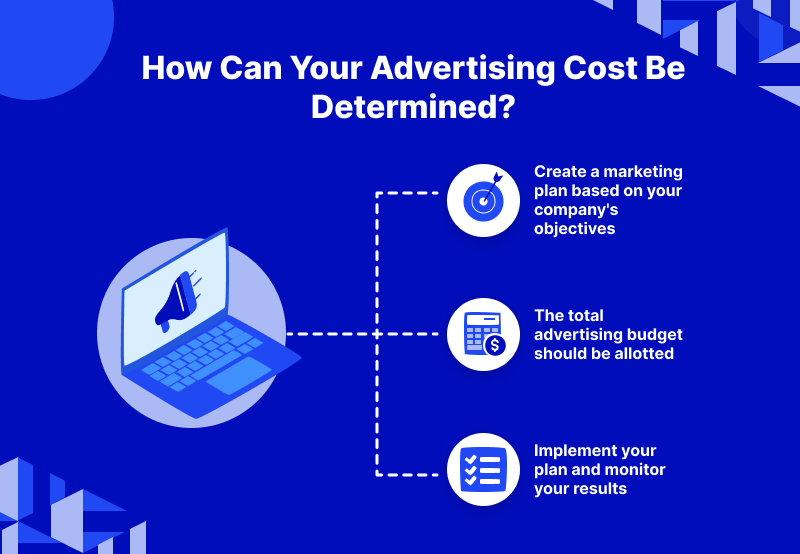
Advertising budgets explained, platform-by-platform costs, pricing models, ROI expectations, and how to budget intelligently
One of the first — and most important — questions any business owner, marketer, or creator asks is:
“How much does advertising actually cost?”
The honest answer is: it depends.
But that answer alone isn’t helpful.
Advertising costs vary based on platform, industry, audience, competition, goals, geography, and strategy. This article breaks down advertising costs in a clear, practical way so you understand what influences ad pricing, what realistic budgets look like, and how to think about ROI instead of just spend.
1. The Big Picture: Advertising Cost Is Not Fixed
Advertising does not have a flat price.
You can run ads with:
-
$5 per day
-
$50 per day
-
$5,000 per day
-
$500,000 per month
What matters is:
-
what you’re trying to achieve
-
how competitive your market is
-
how efficiently you convert attention into results
Advertising cost is best understood as an investment, not an expense.
2. The 3 Main Factors That Determine Advertising Cost
Almost all advertising costs are driven by three forces:
2.1 Competition
More advertisers competing for the same audience = higher costs.
Highly competitive industries:
-
insurance
-
legal services
-
finance
-
SaaS
-
real estate
Low-competition niches:
-
local services
-
niche hobbies
-
informational content
2.2 Audience Targeting
Broad targeting is cheaper but less precise.
Highly specific targeting is more expensive but often more effective.
For example:
-
targeting “everyone” is cheap
-
targeting “CEOs at SaaS companies with 50–200 employees” is expensive
2.3 Advertising Objective
Different goals have different costs.
| Objective | Typical Cost |
|---|---|
| Brand awareness | Low |
| Traffic | Low–Medium |
| Lead generation | Medium |
| Sales / conversions | Medium–High |
| Enterprise B2B deals | Very High |
3. Common Advertising Pricing Models
Understanding cost requires understanding how ads are priced.
3.1 CPC (Cost Per Click)
You pay when someone clicks your ad.
Typical ranges:
-
$0.10 – $1.00 (low competition)
-
$1 – $5 (moderate competition)
-
$10 – $50+ (high competition industries)
Common on:
-
Google Ads
-
Facebook & Instagram
-
LinkedIn
3.2 CPM (Cost Per 1,000 Impressions)
You pay for exposure, not clicks.
Typical ranges:
-
$2 – $10 (display, social)
-
$10 – $30 (premium audiences)
-
$30+ (high-demand placements)
Common for:
-
brand awareness
-
video advertising
3.3 CPA (Cost Per Action / Conversion)
You pay when a specific action occurs (lead, sale, signup).
Costs vary wildly:
-
$5 leads in simple niches
-
$100+ leads in B2B
-
$500+ enterprise conversions
3.4 ROAS-Based Thinking
Advanced advertisers focus on:
Return on Ad Spend (ROAS)
Example:
-
Spend $1,000 on ads
-
Generate $4,000 in revenue
-
ROAS = 4x
Cost only matters relative to return.
4. Advertising Cost by Platform
Let’s break down typical costs by major advertising platforms.
4.1 Google Ads (Search & Display)
Search Ads CPC:
-
$1–$3 (local services, content sites)
-
$5–$15 (ecommerce, SaaS)
-
$20–$50+ (insurance, legal, finance)
Display CPM:
-
$2–$8
Best for:
-
high-intent traffic
-
people actively searching
4.2 Facebook & Instagram Ads
CPC:
-
$0.30 – $1.50 average
-
higher in competitive markets
CPM:
-
$5 – $20
Best for:
-
e-commerce
-
lead generation
-
brand building
4.3 YouTube Ads
CPM:
-
$5 – $15
Cost per view:
-
$0.01 – $0.30
Best for:
-
storytelling
-
brand awareness
-
product education
4.4 TikTok Ads
CPM:
-
$3 – $10
CPC:
-
$0.20 – $1.00
Best for:
-
younger audiences
-
viral-style content
-
consumer brands
4.5 LinkedIn Ads
CPC:
-
$5 – $15
-
sometimes $20+
CPM:
-
$20 – $60
Best for:
-
B2B
-
high-value services
-
recruiting
LinkedIn is expensive — but precise.
5. Typical Advertising Budgets (Realistic Examples)
Small Business / Local Service
-
$300–$1,500/month
-
Focus on local targeting
-
Goal: leads and calls
Online Business / E-commerce
-
$1,000–$10,000/month
-
Focus on conversions and ROAS
Startup (Growth Stage)
-
$5,000–$50,000/month
-
Focus on testing and scaling
Enterprise
-
$100,000+ per month
-
Focus on brand + performance
There is no “minimum” — but too little budget limits testing.
6. Why Cheap Advertising Can Be Expensive
Low ad costs mean nothing if:
-
conversion rates are poor
-
leads are unqualified
-
sales processes are weak
Example:
-
$0.20 clicks that never convert = wasted money
-
$5 clicks that convert well = profitable
Cost efficiency beats cheap traffic.
7. Advertising ROI: The Metric That Matters
Advertising success is not about cost alone.
ROI depends on:
-
customer lifetime value (LTV)
-
conversion rates
-
average order value
-
retention
High-cost ads can still be extremely profitable.
8. How Beginners Should Think About Ad Spend
Beginner mindset:
❌ “How cheap can I advertise?”
Professional mindset:
✅ “How predictably can I turn spend into revenue?”
Start small, test aggressively, scale what works.
9. Budget Allocation: Testing vs Scaling
A smart budget is split into:
-
Testing budget (learning phase)
-
Scaling budget (proven campaigns)
Most advertisers fail because they scale too early.
10. Fixed Costs vs Variable Costs
Advertising is mostly variable cost:
-
you can pause anytime
-
you control spend
This makes it flexible compared to traditional media.
11. Offline Advertising Costs (Quick Overview)
| Channel | Typical Cost |
|---|---|
| Radio | $200–$5,000/month |
| Local TV | $1,500–$50,000 |
| Billboards | $1,000–$10,000/month |
| $500–$20,000 |
Offline ads have higher barriers but strong local impact.
12. Why Advertising Costs Increase Over Time
Costs rise because:
-
more competition
-
platform saturation
-
audience fatigue
This makes optimization and creativity more important than budget size.
13. The Role of Creative in Reducing Costs
Better ads:
-
get higher CTR
-
improve quality scores
-
reduce CPC
Creative quality can cut costs by 30–70%.
14. Is Advertising Worth the Cost?
Advertising is worth it when:
-
margins allow it
-
tracking is accurate
-
messaging is strong
It is not worth it when used blindly.
15. Cost Control Strategies
To control advertising costs:
-
narrow targeting
-
exclude poor placements
-
optimize landing pages
-
test creatives continuously
Cost is manageable with discipline.
16. Advertising Cost Myths
❌ “Advertising is too expensive”
❌ “Only big companies can afford ads”
❌ “More money guarantees success”
In reality, strategy matters more than spend.
17. Advertising Cost vs Organic Growth
Organic growth:
-
slower
-
cheaper long-term
-
unpredictable
Paid advertising:
-
faster
-
scalable
-
controllable
Most businesses use both.
18. How Long Before Ads Become Profitable?
Expect:
-
2–4 weeks of testing
-
learning losses
-
gradual improvement
Instant profit is rare.
19. Advertising Cost and Risk Management
Smart advertisers:
-
cap daily budgets
-
monitor performance daily
-
kill losers fast
Advertising risk is controllable.
20. Final Takeaway
Advertising costs vary widely — but cost alone is the wrong question.
The better question is:
“What return can I generate on every dollar spent?”
Advertising can be:
-
affordable
-
scalable
-
highly profitable
—but only when driven by strategy, testing, and measurement.
- Arts
- Business
- Computers
- Jogos
- Health
- Início
- Kids and Teens
- Money
- News
- Personal Development
- Recreation
- Regional
- Reference
- Science
- Shopping
- Society
- Sports
- Бизнес
- Деньги
- Дом
- Досуг
- Здоровье
- Игры
- Искусство
- Источники информации
- Компьютеры
- Личное развитие
- Наука
- Новости и СМИ
- Общество
- Покупки
- Спорт
- Страны и регионы
- World

 English
 Russian
 French
 Spanish
 Portuguese
 Deutsch
 Turkish
 Dutch
Dutch
 Italiano
 Arabic
 Romaian
 Greek
Greek
