
What Should a Billboard Say?
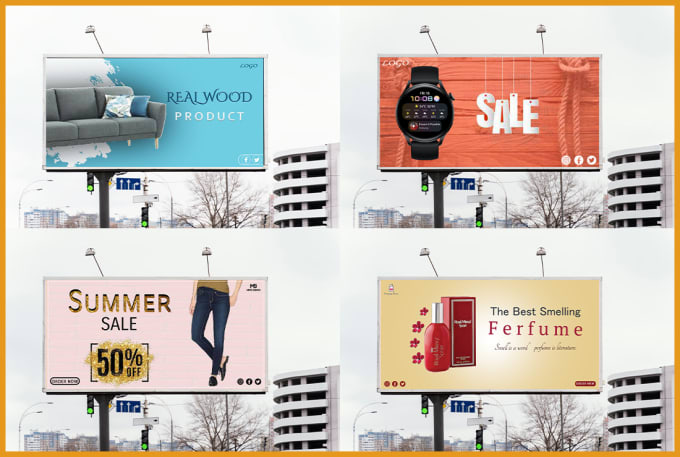
A billboard has only a few seconds to communicate its message. Unlike digital ads, billboards cannot rely on clicks, scrolling, or extended attention. The words on a billboard must work instantly. This makes billboard copywriting one of the most challenging—and most disciplined—forms of advertising writing.
What a billboard says is often more important than how it looks. A beautifully designed billboard with weak or confusing copy will fail. Conversely, a simple billboard with strong, focused words can become unforgettable. This article explores what billboard copy should say, how to write effective headlines, and which copywriting principles consistently produce results in outdoor advertising.
Why Billboard Copy Is Different From Other Ad Copy
Billboard copy must account for:
-
Short viewing time
-
Long viewing distance
-
Distracted audiences
-
One-way communication
There is no opportunity for explanation or follow-up.
The Core Purpose of Billboard Copy
Billboard copy exists to:
-
Communicate one idea
-
Trigger recognition or curiosity
-
Reinforce a brand or message
It is not meant to educate in depth.
The “One Message” Rule
Every billboard should focus on one primary message.
If a billboard tries to:
-
Promote multiple products
-
Explain complex offers
-
Include too many ideas
It will fail to connect.
How Many Words Should a Billboard Have?
The Ideal Word Count
Most effective billboards use:
-
3 to 7 words
-
Rarely more than 8 words
Fewer words improve readability and recall.
Why Short Copy Works Best
Short copy:
-
Is easier to read at speed
-
Reduces cognitive load
-
Increases memorability
Long copy disappears.
The Role of the Headline in Billboard Advertising
What Is a Billboard Headline?
The headline is:
-
The main text
-
The focal point of the message
-
The first thing the viewer reads
It carries the entire message.
Characteristics of Strong Billboard Headlines
Effective headlines are:
-
Clear
-
Simple
-
Emotionally resonant
-
Easy to understand instantly
Cleverness should never sacrifice clarity.
Types of Billboard Headlines That Work
Informational Headlines
These headlines state a clear benefit:
-
Fast service
-
Low prices
-
Convenient location
They work well for local businesses.
Emotional Headlines
Emotional headlines tap into:
-
Desire
-
Fear
-
Joy
-
Curiosity
They increase attention and recall.
Question-Based Headlines
Questions engage the viewer’s mind:
-
They invite curiosity
-
They create mental participation
However, questions must be simple.
Statement Headlines
Bold statements:
-
Assert confidence
-
Create authority
-
Build brand identity
They are effective for established brands.
Teaser Headlines
Teasers:
-
Withhold information
-
Encourage curiosity
-
Require brand recognition
They work best when paired with strong branding.
Writing Billboard Copy for Brand Awareness
Focus on Recognition, Not Explanation
Brand-focused billboards should:
-
Reinforce name recognition
-
Highlight a single brand trait
-
Avoid clutter
The goal is familiarity.
Using Taglines Effectively
Short, powerful taglines:
-
Reinforce brand identity
-
Work well on billboards
Long slogans do not.
Writing Billboard Copy for Local Businesses
Location-Based Messaging
Local billboards benefit from:
-
Location references
-
Proximity cues
This increases relevance.
Action-Oriented Language
Encourage simple actions:
-
Visit
-
Call
-
Stop by
Complex CTAs reduce response.
Writing Billboard Copy for Promotions
Simplicity Is Critical
Promotional copy should:
-
Highlight one offer
-
Avoid fine print
-
Focus on the main benefit
Details can be found elsewhere.
Numbers and Prices
Numbers:
-
Attract attention
-
Communicate value quickly
They must be large and readable.
Billboard Copy for Digital vs Static Billboards
Static Billboard Copy
Static billboards rely on:
-
Repetition
-
Long-term exposure
Copy can be slightly more abstract.
Digital Billboard Copy
Digital billboards require:
-
Immediate clarity
-
Even fewer words
-
Strong contrast
Viewers may only see the ad briefly.
The Importance of Readability
Copy Must Be Legible at Distance
Words should be:
-
Large
-
Bold
-
High-contrast
If it cannot be read easily, it fails.
Avoid Decorative Language
Poetic or abstract language:
-
Often confuses viewers
-
Requires too much processing time
Plain language performs better.
Using Humor in Billboard Copy
When Humor Works
Humor works when it is:
-
Instantly understandable
-
Relevant to the brand
-
Appropriate for a wide audience
Subtle humor often works best.
Risks of Humor
Humor can:
-
Confuse viewers
-
Offend some audiences
-
Distract from the message
Use carefully.
Using Curiosity Without Confusion
Curiosity-driven copy should:
-
Tease, not puzzle
-
Spark interest without hiding meaning
Confusion leads to disengagement.
Calls-to-Action in Billboard Copy
Should Billboards Include CTAs?
Yes—but CTAs must be:
-
Simple
-
Easy to remember
-
Short
Avoid long instructions.
Examples of Billboard-Friendly CTAs
Effective CTAs include:
-
“Learn More”
-
Brand website names
-
Short phrases
Avoid URLs with multiple words.
Writing Copy for Different Traffic Speeds
High-Speed Roads
For highways:
-
Ultra-short copy
-
One clear message
Every extra word reduces effectiveness.
Slow Traffic or Pedestrian Areas
In slower environments:
-
Slightly more detail is acceptable
-
Still prioritize simplicity
Context matters.
Matching Copy to Visuals
Words and Images Must Align
Copy should:
-
Reinforce the image
-
Clarify the visual message
Misalignment causes confusion.
Avoid Redundant Copy
If the image communicates the message:
-
Copy should support, not repeat
Efficiency is key.
Consistency Across Campaigns
Billboard copy should align with:
-
Brand voice
-
Other advertising channels
Consistency builds trust and recognition.
Testing Billboard Copy
The Glance Test
Show someone the copy for:
-
Two to three seconds
Ask what they remember.
The Recall Test
If viewers:
-
Remember the message
-
Remember the brand
The copy is working.
Common Billboard Copy Mistakes
Avoid:
-
Too many words
-
Vague messaging
-
Industry jargon
-
Cleverness over clarity
-
Complicated offers
These reduce impact.
Legal and Compliance Considerations
Copy must comply with:
-
Advertising laws
-
Industry regulations
Claims must be truthful and clear.
Cultural and Regional Sensitivity
Billboard copy should consider:
-
Local language
-
Cultural norms
-
Regional humor
What works in one area may not in another.
How Billboard Copy Supports ROI
Strong copy leads to:
-
Better recall
-
Increased brand searches
-
Higher response rates
Words drive results.
The Role of Simplicity in Memorability
Memorable billboards:
-
Say one thing well
-
Avoid distractions
-
Leave a clear impression
Simplicity is strategic.
Conclusion
What a billboard says determines whether it is noticed, remembered, or ignored. Effective billboard copy is short, clear, focused, and intentional. It communicates one strong idea using as few words as possible, supported by visuals and branding that reinforce the message.
Great billboard copywriting is not about clever wordplay or complex storytelling—it is about instant understanding. By following proven headline strategies, limiting word count, and aligning copy with viewing conditions, advertisers can create billboard messages that cut through visual noise and deliver real impact.
- Arts
- Business
- Computers
- Oyunlar
- Health
- Home
- Kids and Teens
- Money
- News
- Personal Development
- Recreation
- Regional
- Reference
- Science
- Shopping
- Society
- Sports
- Бизнес
- Деньги
- Дом
- Досуг
- Здоровье
- Игры
- Искусство
- Источники информации
- Компьютеры
- Личное развитие
- Наука
- Новости и СМИ
- Общество
- Покупки
- Спорт
- Страны и регионы
- World

 English
 Russian
 French
 Spanish
 Portuguese
 Deutsch
 Dutch
Dutch
 Italiano
 Arabic
 Romaian
 Portuguese (Brazil)
 Greek
Greek
