
How Long Does It Take to Acquire a Customer?
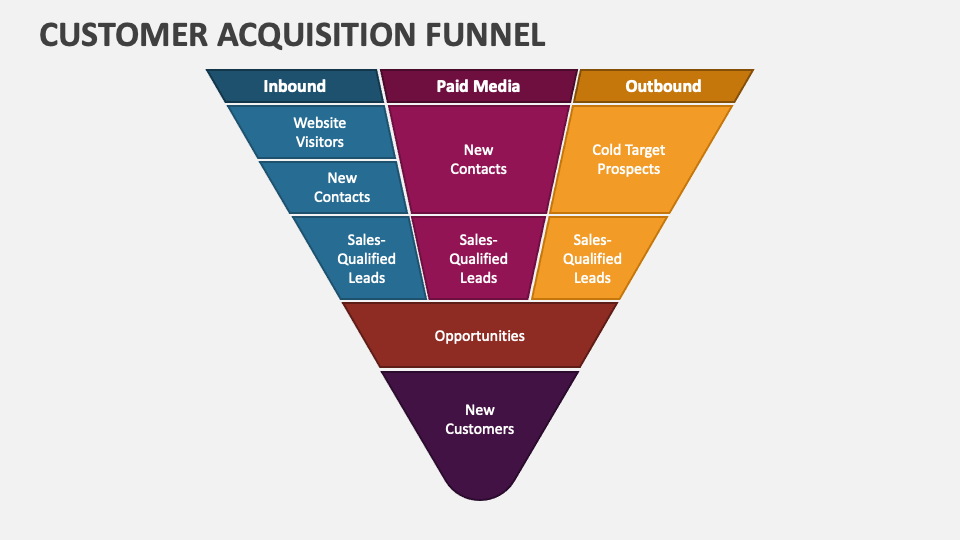
One of the most common—and most misunderstood—questions in marketing and sales is: How long does it take to acquire a customer? The answer is rarely simple. Customer acquisition timelines vary dramatically based on industry, business model, pricing, customer intent, and the complexity of the buying decision.
Understanding how long customer acquisition takes is critical for forecasting revenue, managing cash flow, optimizing marketing spend, and aligning sales and marketing teams. This article provides a comprehensive breakdown of customer acquisition timelines, sales cycles, and the factors that influence them.
What Does “Time to Acquire a Customer” Mean?
Time to acquire a customer refers to the total duration from a prospect’s first interaction with a business to the moment they become a paying customer.
This timeline can include:
-
First brand exposure
-
Engagement and education
-
Evaluation and consideration
-
Purchase or contract signing
-
Initial onboarding (in some models)
It is sometimes called:
-
Sales cycle length
-
Conversion timeline
-
Time to conversion
Why Customer Acquisition Timelines Matter
Understanding acquisition timelines helps businesses:
-
Forecast revenue accurately
-
Plan marketing and sales budgets
-
Allocate resources efficiently
-
Improve cash flow management
-
Identify funnel bottlenecks
-
Reduce customer acquisition cost (CAC)
If acquisition timelines are misunderstood, businesses may overspend, scale too early, or misjudge performance.
The Core Stages That Determine Acquisition Time
Customer acquisition time is shaped by how long prospects spend in each funnel stage:
-
Awareness
-
Interest
-
Consideration
-
Conversion
-
Activation (sometimes included)
The longer prospects remain in any stage, the longer acquisition takes overall.
Short vs Long Customer Acquisition Cycles
Short Acquisition Cycles
Characteristics:
-
Low price point
-
Low perceived risk
-
Impulse or convenience-based decisions
-
Minimal research required
Examples:
-
Ecommerce purchases
-
Mobile apps
-
Low-cost subscriptions
-
Consumer services
Acquisition timelines: Minutes to days
Long Acquisition Cycles
Characteristics:
-
High price point
-
High perceived risk
-
Multiple stakeholders
-
Formal approval processes
-
Extensive research and evaluation
Examples:
-
B2B software
-
Enterprise services
-
Real estate
-
Financial products
Acquisition timelines: Weeks to months (or longer)
Average Customer Acquisition Timelines by Business Type
Ecommerce Businesses
-
Awareness to purchase: Minutes to days
-
Repeat purchases may happen faster
-
Heavily influenced by pricing, urgency, and trust
Common factors:
-
Website UX
-
Reviews and social proof
-
Shipping speed
-
Promotions and discounts
Subscription-Based B2C Businesses
-
Timeline: Days to weeks
-
Customers often compare alternatives
-
Free trials and discounts shorten timelines
Examples:
-
Streaming services
-
Fitness apps
-
Productivity tools
SaaS (B2B)
-
Timeline: 30–180 days
-
Depends on deal size and complexity
-
Often includes demos, trials, and negotiations
Smaller SaaS:
-
14–45 days
Enterprise SaaS:
-
3–9 months or more
High-Ticket Services
-
Timeline: Weeks to months
-
Trust and credibility are critical
-
Sales calls and proposals are common
Examples:
-
Consulting
-
Agencies
-
Coaching
-
Legal or financial services
Startups vs Established Companies
-
Startups often have longer acquisition timelines initially due to lack of brand trust
-
Established brands benefit from recognition, shortening cycles
-
Startups can reduce timelines by targeting early adopters
Factors That Affect How Long It Takes to Acquire a Customer
1. Price and Risk
Higher prices increase:
-
Decision time
-
Research behavior
-
Stakeholder involvement
Low-cost products convert faster because the perceived risk is lower.
2. Customer Intent
High-intent prospects:
-
Actively searching
-
Have urgent problems
-
Convert quickly
Low-intent prospects:
-
Are browsing or researching
-
Require nurturing
-
Take longer to convert
SEO and paid search often attract higher-intent users.
3. Trust and Brand Authority
Strong brands:
-
Shorten decision cycles
-
Reduce perceived risk
-
Increase conversion speed
Weak or unknown brands:
-
Require more education
-
Need social proof
-
Experience longer timelines
4. Product Complexity
Complex products:
-
Require demos or training
-
Have longer onboarding
-
Extend acquisition timelines
Simple products:
-
Can be self-serve
-
Convert faster
5. Sales Process Length
Sales involvement lengthens timelines but may increase deal size.
Self-serve models:
-
Short timelines
-
Lower CAC
Sales-led models:
-
Longer timelines
-
Higher contract value
6. Funnel Optimization
Poor funnel performance increases acquisition time:
-
Confusing messaging
-
Slow websites
-
Weak CTAs
-
Friction in checkout
-
Poor follow-up
Optimized funnels shorten acquisition cycles.
Customer Acquisition Timelines by Funnel Stage
Awareness Stage Timeline
-
Can last seconds or months
-
Depends on exposure frequency
-
Passive stage
Prospects may encounter your brand multiple times before moving forward.
Interest Stage Timeline
-
Ranges from minutes to weeks
-
Driven by content engagement and education
-
Email nurturing often plays a key role
Consideration Stage Timeline
-
Often the longest stage
-
Prospects compare alternatives
-
Sales calls, demos, and trials happen here
This stage determines most acquisition delays.
Conversion Stage Timeline
-
Typically short once decision is made
-
Friction or objections can delay conversion
-
Incentives or urgency can speed it up
How Sales Cycles Affect Acquisition Timelines
Sales-Led Acquisition
Characteristics:
-
Human interaction
-
Qualification and proposals
-
Negotiation and approvals
Timelines:
-
Longer but higher-value deals
Marketing-Led Acquisition
Characteristics:
-
Content and automation
-
Self-serve conversions
-
Minimal human interaction
Timelines:
-
Faster but lower deal sizes
Product-Led Acquisition
Characteristics:
-
Free trials or freemium
-
Value-first experience
-
Organic conversion
Timelines:
-
Moderate
-
Strong activation reduces time to conversion
Measuring Time to Acquire a Customer
Key metrics include:
-
Average sales cycle length
-
Time to first conversion
-
Time to close
-
Time from lead to customer
-
Funnel stage duration
Tracking these metrics helps identify delays and optimization opportunities.
How Long Should It Take to Acquire a Customer?
There is no universal “ideal” timeline. Instead, timelines should be evaluated relative to:
-
Customer lifetime value (LTV)
-
CAC
-
Deal size
-
Cash flow needs
Longer acquisition cycles are acceptable if LTV justifies the wait.
How to Shorten Customer Acquisition Timelines
1. Improve Targeting
-
Focus on high-intent audiences
-
Exclude unqualified traffic
-
Target ideal customer profiles
2. Improve Messaging Clarity
-
Clearly state value proposition
-
Address objections early
-
Set expectations accurately
3. Increase Trust Signals
-
Testimonials
-
Reviews
-
Case studies
-
Certifications
-
Guarantees
Trust accelerates decisions.
4. Streamline Sales Processes
-
Reduce unnecessary steps
-
Automate follow-ups
-
Improve lead qualification
-
Use scheduling tools
5. Optimize Onboarding and Trials
-
Reduce time to first value
-
Guide users toward key actions
-
Provide education and support
6. Use Urgency and Incentives Carefully
-
Limited-time offers
-
Bonuses
-
Deadlines
Urgency should be genuine, not manipulative.
Acquisition Timelines and CAC
Longer acquisition timelines often increase CAC due to:
-
Extended sales efforts
-
Higher marketing costs
-
Increased labor and overhead
Shortening timelines usually lowers CAC, provided conversion quality remains high.
B2B vs B2C Acquisition Timelines
B2C
-
Faster decisions
-
Emotional drivers
-
Lower prices
-
Short cycles
B2B
-
Rational decision-making
-
Multiple stakeholders
-
Higher prices
-
Longer cycles
Understanding this difference prevents unrealistic expectations.
Startup Considerations
Startups often experience:
-
Longer initial acquisition cycles
-
Higher CAC
-
Slower trust-building
Over time, social proof and brand recognition shorten timelines significantly.
Common Mistakes When Estimating Acquisition Time
-
Expecting instant results
-
Comparing timelines across industries
-
Ignoring funnel bottlenecks
-
Scaling spend before understanding cycles
-
Underestimating nurturing needs
Accurate expectations lead to better strategy.
Planning Growth Around Acquisition Timelines
Businesses should align:
-
Marketing spend
-
Hiring
-
Cash reserves
-
Revenue forecasts
…with realistic acquisition timelines.
Final Thoughts
The time it takes to acquire a customer varies widely, but understanding your specific acquisition timeline is essential for sustainable growth. Short cycles favor volume and speed, while long cycles demand patience, trust-building, and efficiency.
Businesses that:
-
Track acquisition timelines
-
Optimize each funnel stage
-
Align expectations with reality
…are far better positioned to grow profitably and predictably.
- Arts
- Business
- Computers
- Spellen
- Health
- Home
- Kids and Teens
- Money
- News
- Personal Development
- Recreation
- Regional
- Reference
- Science
- Shopping
- Society
- Sports
- Бизнес
- Деньги
- Дом
- Досуг
- Здоровье
- Игры
- Искусство
- Источники информации
- Компьютеры
- Личное развитие
- Наука
- Новости и СМИ
- Общество
- Покупки
- Спорт
- Страны и регионы
- World

 English
 Russian
 French
 Spanish
 Portuguese
 Deutsch
 Turkish
 Italiano
 Arabic
 Romaian
 Portuguese (Brazil)
 Greek
Greek
