
What Is Inflation and How Does It Affect the Economy?
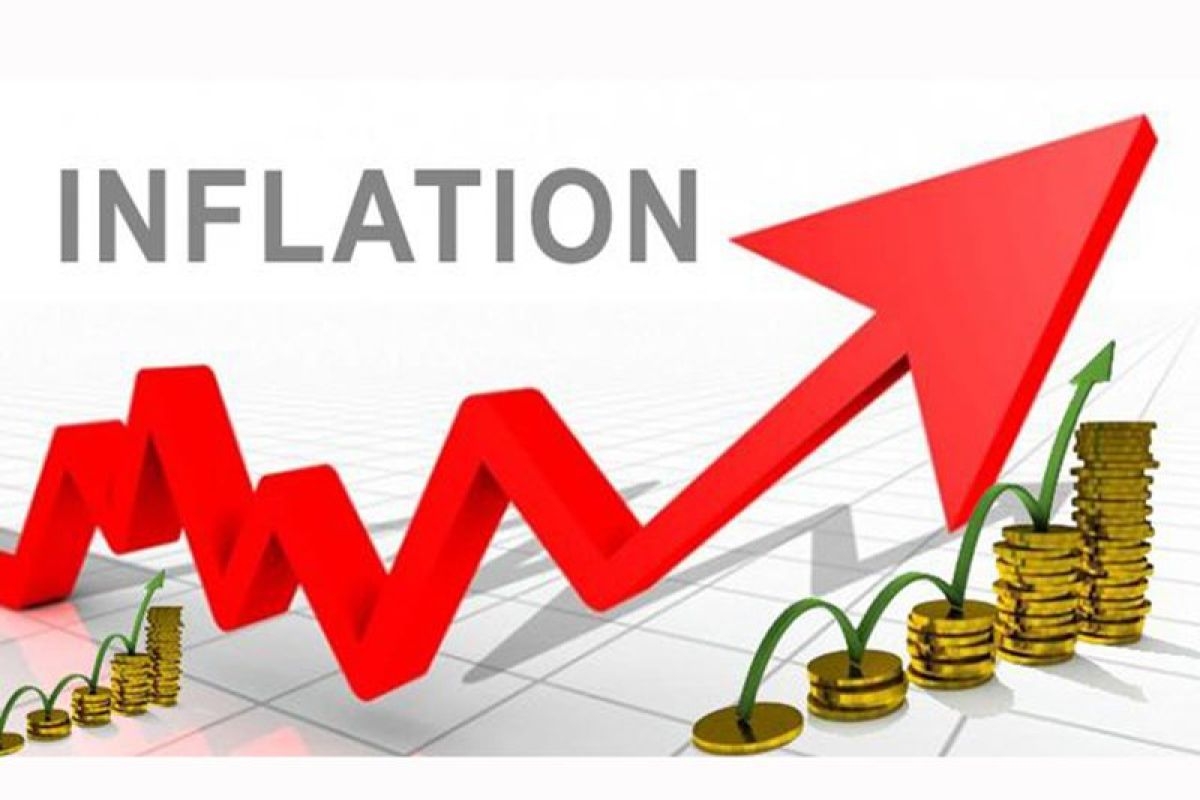
What Is Inflation and How Does It Affect the Economy?
Inflation is a term that often appears in news headlines, especially during times of economic uncertainty. While it can sound technical or abstract, inflation is something people experience in everyday life—when prices at the grocery store rise, rent becomes more expensive, or transportation costs increase. Understanding what inflation is and how it affects the economy helps individuals, businesses, and governments make better financial decisions.
What Is Inflation?
Inflation refers to the general increase in prices of goods and services over time, which results in a decrease in the purchasing power of money. In simple terms, when inflation occurs, each unit of currency buys fewer goods and services than before.
For example, if a loaf of bread costs $2 today and inflation causes prices to rise by 5% over the next year, that same loaf may cost $2.10 next year. While a small increase might not seem significant, sustained inflation over many years can have a major impact on living standards and economic stability.
Inflation is usually measured using price indices, such as the Consumer Price Index (CPI), which tracks changes in the prices of a basket of commonly purchased goods and services.
Causes of Inflation
Inflation does not have a single cause. Economists generally group its causes into three main categories:
-
Demand-Pull Inflation
This occurs when demand for goods and services exceeds supply. When consumers and businesses are spending more—often due to rising incomes, low interest rates, or government stimulus—prices tend to rise because producers cannot keep up with demand. -
Cost-Push Inflation
This type of inflation happens when the cost of production increases. Higher wages, increased prices for raw materials, or rising energy costs can force businesses to raise prices to maintain profitability. -
Built-In Inflation (Wage-Price Spiral)
Built-in inflation arises when workers demand higher wages to keep up with rising living costs. Businesses, in turn, raise prices to cover higher labor costs, which can lead to further wage demands and continued inflation.
Types of Inflation
Inflation can vary in intensity:
-
Low and Stable Inflation
Mild inflation is generally considered healthy for an economy. It encourages spending and investment because money is expected to lose value slowly over time. -
High Inflation
Rapid price increases can reduce purchasing power significantly and create uncertainty, making it harder for businesses and households to plan for the future. -
Hyperinflation
This is an extreme and rare form of inflation where prices rise uncontrollably, often due to severe economic or political instability. In such cases, money can quickly become nearly worthless.
How Inflation Affects Individuals
Inflation has direct effects on everyday life:
-
Purchasing Power
As prices rise, consumers can afford less with the same amount of money. If wages do not increase at the same pace as inflation, real income falls. -
Savings
Inflation reduces the value of savings over time, especially if interest rates on savings accounts are lower than the inflation rate. -
Borrowing
Moderate inflation can benefit borrowers, as loans are repaid with money that is worth less than when it was borrowed. However, high inflation often leads to higher interest rates, making borrowing more expensive.
How Inflation Affects Businesses
For businesses, inflation can be both a challenge and an opportunity:
-
Rising Costs
Increased costs for labor, materials, and transportation can squeeze profit margins if businesses cannot pass those costs on to consumers. -
Pricing Uncertainty
Rapid inflation makes it harder to set prices and plan long-term investments. -
Revenue Growth
In some cases, businesses may see higher nominal revenues simply because prices are higher, even if actual sales volumes do not increase.
How Inflation Affects the Overall Economy
Inflation influences the broader economy in several important ways:
-
Economic Growth
Low and predictable inflation supports economic growth by encouraging spending and investment. High inflation, however, can slow growth by increasing uncertainty and reducing consumer confidence. -
Employment
Moderate inflation is often associated with lower unemployment, as businesses expand production to meet demand. Severe inflation can disrupt labor markets and lead to job losses. -
Income Distribution
Inflation does not affect everyone equally. Fixed-income earners, such as retirees, are often hurt the most, while asset owners may benefit if the value of their investments rises.
The Role of Government and Central Banks
Managing inflation is one of the primary responsibilities of central banks, such as the Federal Reserve in the United States or the European Central Bank in the euro area.
-
Monetary Policy
Central banks use tools like interest rates to control inflation. Raising interest rates tends to slow spending and reduce inflation, while lowering rates can stimulate economic activity. -
Fiscal Policy
Governments can influence inflation through taxation and public spending. Large government deficits can increase demand and contribute to inflation if not carefully managed.
The goal is usually not to eliminate inflation entirely, but to keep it low, stable, and predictable.
Is Inflation Always Bad?
Inflation is not inherently bad. In fact, a small amount of inflation is considered beneficial for a healthy economy. It signals growing demand, encourages investment, and helps prevent deflation, which can lead to economic stagnation.
Problems arise when inflation becomes too high, too unpredictable, or disconnected from wage growth. In such cases, inflation can erode trust in the economy and reduce overall well-being.
Conclusion
Inflation is a fundamental economic concept that affects prices, incomes, savings, and economic stability. At its core, inflation reflects changes in the balance between supply and demand, production costs, and expectations about the future. While moderate inflation can support economic growth, excessive inflation can harm individuals, businesses, and entire economies.
By understanding what inflation is and how it works, people are better equipped to make informed financial choices and understand the economic policies that shape their daily lives.
- Arts
- Business
- Computers
- Giochi
- Health
- Home
- Kids and Teens
- Money
- News
- Personal Development
- Recreation
- Regional
- Reference
- Science
- Shopping
- Society
- Sports
- Бизнес
- Деньги
- Дом
- Досуг
- Здоровье
- Игры
- Искусство
- Источники информации
- Компьютеры
- Личное развитие
- Наука
- Новости и СМИ
- Общество
- Покупки
- Спорт
- Страны и регионы
- World

 English
 Russian
 French
 Spanish
 Portuguese
 Deutsch
 Turkish
 Dutch
Dutch
 Arabic
 Romaian
 Portuguese (Brazil)
 Greek
Greek
