
What Is Search Engine Advertising? Google Ads and Bing Ads Explained
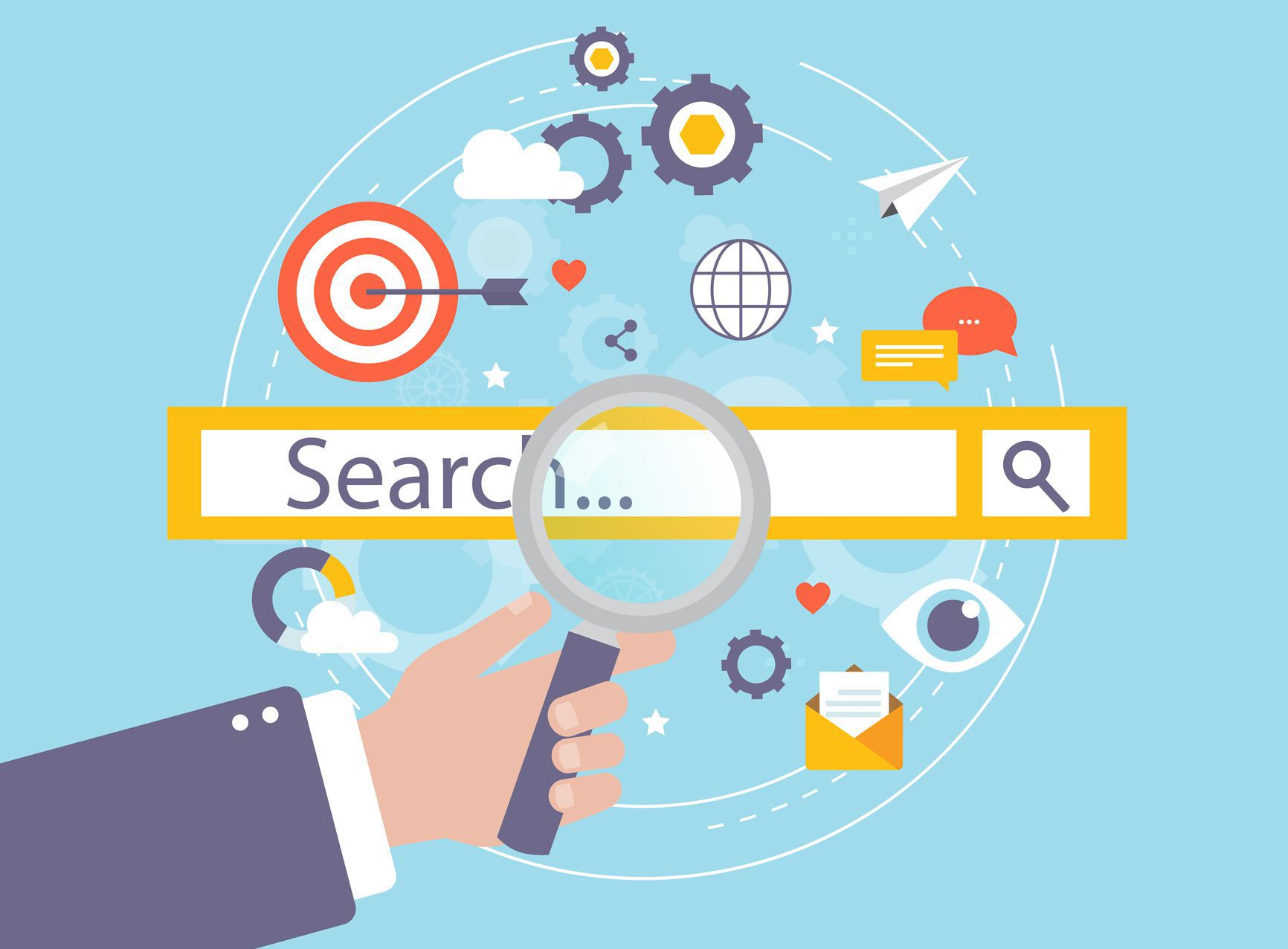
Search engine advertising is one of the most powerful and intent-driven forms of online advertising. Unlike display or social ads, search ads appear exactly when users are actively looking for information, products, or services. This makes search engine advertising especially effective for driving qualified traffic, leads, and sales.
In this article, we’ll explore what search engine advertising is, how it works, the role of Google Ads and Bing Ads, campaign structures, targeting options, benefits, challenges, and best practices for success.
Understanding Search Engine Advertising
Search engine advertising is a form of paid online advertising where ads appear on search engine results pages (SERPs). These ads are triggered by specific keywords that users type into search engines.
When someone searches for a term like:
-
“best running shoes”
-
“plumber near me”
-
“CRM software for small business”
They may see paid ads at the top or bottom of the results page.
These ads are designed to match user intent, making them highly relevant and conversion-focused.
How Search Engine Advertising Works
Search engine advertising operates on an auction-based system.
The basic process:
-
Advertisers choose keywords
-
Advertisers create ads related to those keywords
-
Users search for those keywords
-
An auction determines which ads appear
-
Ads are displayed based on relevance and bid
Advertisers only pay when someone clicks on their ad, making it a form of pay-per-click (PPC) advertising.
The Role of Keywords in Search Advertising
Keywords are the foundation of search engine advertising.
They represent:
-
What users are searching for
-
Their intent
-
Their position in the buying journey
Choosing the right keywords determines who sees your ads and how effective they are.
Types of Search Keywords
Search keywords are typically categorized by intent.
Informational Keywords
Used when users are researching:
-
“What is cloud computing”
-
“How does solar energy work”
Navigational Keywords
Used to find a specific brand:
-
“HubSpot login”
-
“Nike official website”
Transactional Keywords
Used when users are ready to buy:
-
“Buy iPhone online”
-
“Book hotel in New York”
Transactional keywords usually deliver the highest ROI.
What Is Google Ads?
Google Ads is the largest and most widely used search advertising platform in the world.
It allows advertisers to:
-
Show ads on Google search results
-
Target users based on keywords
-
Control budgets and bids
-
Track conversions and performance
Because Google dominates search market share, Google Ads offers unmatched reach.
Google Ads Search Ad Format
Google search ads typically include:
-
Headline text
-
Description text
-
Display URL
-
Ad extensions
These ads blend naturally into search results while remaining clearly labeled as ads.
What Is Bing Ads (Microsoft Advertising)?
Bing Ads, now known as Microsoft Advertising, powers search ads on:
-
Bing
-
Yahoo
-
DuckDuckGo (partially)
-
Microsoft partner networks
Although Bing has smaller market share than Google, it often delivers:
-
Lower CPCs
-
Less competition
-
Strong performance for certain demographics
Google Ads vs Bing Ads
While similar in structure, there are important differences.
Google Ads
-
Larger audience
-
Higher competition
-
Higher average CPCs
-
More advanced automation
Bing Ads
-
Smaller audience
-
Lower costs
-
Older and more professional user base
-
Easier entry for small advertisers
Many advertisers run campaigns on both platforms for maximum reach.
Types of Search Engine Ads
Search engine advertising includes more than just standard text ads.
Text Search Ads
These are the most common format.
They appear:
-
At the top of search results
-
Below organic listings
Text ads focus on clarity, relevance, and strong calls to action.
Shopping Ads
Shopping ads display:
-
Product images
-
Prices
-
Merchant names
They are especially effective for eCommerce businesses and appear prominently in search results.
Call-Only Ads
Call-only ads encourage users to call directly from search results.
They work well for:
-
Local businesses
-
Service providers
-
Emergency services
Local Search Ads
Local ads target users searching within a geographic area.
They highlight:
-
Business location
-
Reviews
-
Contact information
Local intent searches often lead to immediate action.
Benefits of Search Engine Advertising
Search engine advertising offers several powerful advantages.
High Intent Targeting
Search ads target users who are actively searching, making them:
-
Highly relevant
-
More likely to convert
Few advertising methods match this level of intent.
Immediate Visibility
Unlike SEO, which takes time, search ads:
-
Appear instantly
-
Deliver traffic immediately
This makes them ideal for promotions and launches.
Measurable Performance
Every aspect of search advertising is measurable:
-
Clicks
-
Costs
-
Conversions
-
ROI
This transparency allows for precise optimization.
Budget Control
Advertisers control:
-
Daily budgets
-
Maximum bids
-
Geographic reach
This makes search advertising accessible to businesses of all sizes.
Challenges of Search Engine Advertising
Despite its strengths, search advertising has limitations.
Rising Competition
Popular keywords can become expensive due to competition.
This requires:
-
Strategic keyword selection
-
Ongoing optimization
Click Fraud and Low-Quality Traffic
Not all clicks lead to conversions.
Preventive measures include:
-
Negative keywords
-
Conversion tracking
-
Quality score optimization
Learning Curve
Effective search advertising requires:
-
Keyword research
-
Bid management
-
Ad testing
Beginners may need time to achieve efficiency.
Understanding Quality Score
Quality Score is a critical factor in search engine advertising.
It is based on:
-
Keyword relevance
-
Ad copy relevance
-
Landing page experience
Higher Quality Scores lead to:
-
Lower CPCs
-
Better ad positions
Optimizing Quality Score is one of the best ways to improve performance.
Writing Effective Search Ads
Strong search ads share common traits.
They:
-
Match user intent
-
Highlight benefits
-
Include clear calls to action
-
Use keyword relevance
Good ad copy improves click-through rates and lowers costs.
Landing Pages and Search Advertising
Search ads are only as effective as their landing pages.
Effective landing pages:
-
Load quickly
-
Match ad messaging
-
Focus on one goal
-
Reduce friction
Poor landing pages increase costs and reduce ROI.
Using Negative Keywords
Negative keywords prevent ads from appearing for irrelevant searches.
For example:
-
Excluding “free”
-
Excluding unrelated services
This reduces wasted spend and improves campaign efficiency.
Search Advertising for Different Business Types
Small Businesses
Search advertising helps small businesses:
-
Compete locally
-
Capture high-intent searches
-
Control spending
eCommerce Brands
eCommerce brands use search ads for:
-
Product discovery
-
Competitive targeting
-
Seasonal promotions
B2B Companies
B2B search advertising focuses on:
-
Lead generation
-
Long-tail keywords
-
Content-driven searches
Measuring Search Engine Advertising Performance
Key metrics include:
-
Click-through rate (CTR)
-
Cost per click (CPC)
-
Conversion rate
-
Cost per acquisition (CPA)
-
Return on ad spend (ROAS)
Search campaigns are optimized continuously based on these metrics.
Search Advertising vs SEO
Search ads and SEO serve different roles.
Search ads:
-
Deliver immediate results
-
Require ongoing spend
SEO:
-
Builds long-term visibility
-
Takes time to develop
Most successful strategies use both together.
Best Practices for Search Engine Advertising
To succeed:
-
Focus on intent-driven keywords
-
Use tightly themed ad groups
-
Continuously test ad copy
-
Optimize landing pages
-
Monitor performance regularly
Consistency and data-driven decisions are key.
The Future of Search Engine Advertising
Search advertising continues to evolve through:
-
Automation
-
AI-driven bidding
-
Voice search
-
Privacy-first tracking
Despite changes, search remains central to online behavior.
Final Thoughts
Search engine advertising is one of the most effective and reliable online advertising channels available. By targeting users at the exact moment they express intent, search ads deliver unmatched relevance and measurable results.
Whether using Google Ads, Bing Ads, or both, businesses that master search engine advertising gain a powerful advantage in visibility, lead generation, and revenue growth. When paired with strong landing pages and ongoing optimization, search advertising becomes a cornerstone of sustainable digital success.
- Arts
- Business
- Computers
- Spiele
- Health
- Startseite
- Kids and Teens
- Geld
- News
- Personal Development
- Recreation
- Regional
- Reference
- Science
- Shopping
- Society
- Sports
- Бизнес
- Деньги
- Дом
- Досуг
- Здоровье
- Игры
- Искусство
- Источники информации
- Компьютеры
- Личное развитие
- Наука
- Новости и СМИ
- Общество
- Покупки
- Спорт
- Страны и регионы
- World

 English
 Russian
 French
 Spanish
 Portuguese
 Turkish
 Dutch
Dutch
 Italiano
 Arabic
 Romaian
 Portuguese (Brazil)
 Greek
Greek