
What Is Outdoor Advertising?
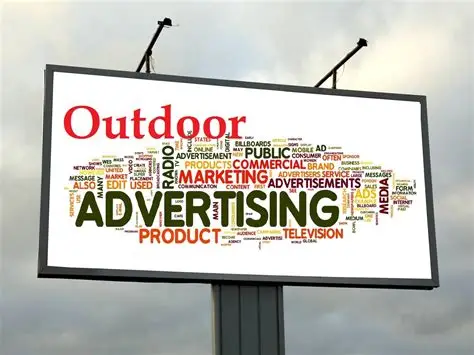
Outdoor advertising is one of the oldest and most recognizable forms of marketing, yet it remains highly relevant in the modern advertising landscape. From towering billboards along highways to digital screens in busy city centers, outdoor advertising surrounds consumers in their everyday lives. Unlike online ads that appear on screens, outdoor advertising exists in the physical world—capturing attention as people commute, shop, travel, and socialize.
This article explains what outdoor advertising is, how it works, why businesses use it, and how it fits into today’s broader marketing strategies.
Definition of Outdoor Advertising
Outdoor advertising, also known as out-of-home (OOH) advertising, refers to any form of advertising that reaches consumers while they are outside their homes. These ads are placed in public spaces and are designed to deliver high visibility and repeated exposure.
Outdoor advertising communicates brand messages through physical placements rather than digital devices like personal computers or smartphones (though digital screens may still be used).
Core Purpose of Outdoor Advertising
The primary goal of outdoor advertising is to:
-
Increase brand awareness
-
Reinforce brand recognition
-
Reach large audiences repeatedly
-
Deliver simple, memorable messages
Outdoor advertising is especially effective at keeping a brand top-of-mind.
A Brief History of Outdoor Advertising
Outdoor advertising has existed for centuries.
Early forms included:
-
Painted signs on buildings
-
Posters in town squares
-
Printed notices in public spaces
With industrialization and urban growth, outdoor advertising expanded rapidly through billboards, transit ads, and signage. Today, digital technology has transformed many outdoor formats, making them more dynamic and data-driven.
Types of Outdoor Advertising (Overview)
While later topics will explore formats in detail, outdoor advertising generally includes:
-
Billboards
-
Transit advertising
-
Street furniture advertising
-
Posters and wallscapes
-
Digital out-of-home (DOOH)
Each format serves different environments and objectives.
How Outdoor Advertising Reaches Audiences
Outdoor advertising reaches people during moments when:
-
They are commuting
-
Walking through city areas
-
Waiting at transit stops
-
Traveling on highways
-
Shopping or attending events
These moments are often free from screen overload, making outdoor ads harder to ignore.
Key Characteristics of Outdoor Advertising
Outdoor advertising has unique characteristics that differentiate it from other channels.
High Visibility
Outdoor ads are designed to be seen by large numbers of people.
Characteristics include:
-
Large formats
-
Strategic placement
-
Bold visuals
Visibility is one of its strongest advantages.
Repetition and Frequency
People often pass the same outdoor ad multiple times.
This repetition:
-
Reinforces brand recognition
-
Builds familiarity
-
Improves recall
Even brief exposure can be powerful when repeated consistently.
Non-Skippable Exposure
Unlike digital ads, outdoor ads:
-
Cannot be skipped
-
Cannot be blocked
-
Do not rely on clicks
Exposure happens naturally as people move through physical spaces.
Simple Messaging
Outdoor advertising relies on simplicity.
Effective outdoor ads:
-
Communicate one main idea
-
Use minimal text
-
Focus on visuals and branding
Messages must be understood in seconds.
Outdoor Advertising vs Other Advertising Channels
Outdoor advertising plays a different role than online, TV, or print advertising.
Compared to Online Advertising
Outdoor advertising:
-
Builds broad awareness
-
Reaches audiences offline
-
Avoids digital ad fatigue
Online advertising:
-
Drives direct response
-
Offers precise targeting
-
Provides measurable actions
Many campaigns use both together.
Compared to Television Advertising
Outdoor advertising:
-
Is constantly visible
-
Requires no scheduled viewing
-
Often costs less for local reach
Television advertising:
-
Delivers storytelling power
-
Reaches mass audiences quickly
Outdoor ads often reinforce TV campaigns.
Compared to Print Advertising
Outdoor advertising:
-
Has continuous exposure
-
Reaches people in motion
Print advertising:
-
Is static and time-limited
-
Relies on readership engagement
Outdoor advertising typically delivers higher frequency.
Why Businesses Use Outdoor Advertising
Businesses choose outdoor advertising for several strategic reasons.
Brand Awareness and Recognition
Outdoor ads are excellent for:
-
Introducing brands
-
Reinforcing logos and slogans
-
Supporting product launches
High visibility builds familiarity over time.
Geographic Targeting
Outdoor advertising is location-based by nature.
It allows advertisers to:
-
Target specific cities
-
Focus on neighborhoods
-
Reach commuters and travelers
This is especially useful for local and regional businesses.
Supporting Other Marketing Channels
Outdoor advertising works well as part of integrated campaigns.
It supports:
-
Online advertising
-
Social media campaigns
-
Retail promotions
-
Event marketing
Seeing a brand offline can improve online ad performance.
Credibility and Trust
Outdoor advertising often conveys legitimacy.
Large, physical ads can:
-
Increase brand credibility
-
Signal business stability
-
Build trust through visibility
This is especially valuable for newer brands.
The Rise of Digital Outdoor Advertising
Digital technology has modernized outdoor advertising.
What Is Digital Out-of-Home (DOOH)?
DOOH uses digital screens instead of static posters.
Features include:
-
Rotating ads
-
Video content
-
Real-time updates
-
Dynamic messaging
DOOH brings flexibility to outdoor advertising.
Data and Technology in Outdoor Advertising
Modern outdoor advertising can incorporate:
-
Traffic data
-
Location analytics
-
Time-based messaging
This makes campaigns more strategic and measurable.
Measuring Outdoor Advertising Effectiveness
Traditionally, outdoor advertising was difficult to measure.
Today, measurement methods include:
-
Traffic and impression estimates
-
Mobile location data
-
Brand lift studies
-
QR codes and URLs
Measurement continues to improve as technology advances.
Strengths of Outdoor Advertising
Key strengths include:
-
Broad reach
-
Constant visibility
-
Strong brand recall
-
Non-intrusive presence
-
Longevity
Outdoor advertising excels at awareness and reinforcement.
Limitations of Outdoor Advertising
Despite its strengths, outdoor advertising has limitations.
These include:
-
Limited messaging space
-
Lower direct-response tracking
-
Less personalization
-
Creative constraints
Outdoor ads work best with clear, simple goals.
Who Uses Outdoor Advertising?
Outdoor advertising is used by:
-
Global brands
-
Local businesses
-
Retailers
-
Real estate companies
-
Entertainment and events
-
Government and public campaigns
Its versatility makes it suitable for many industries.
Outdoor Advertising for Local Businesses
Local businesses benefit from:
-
Location-based exposure
-
Community presence
-
Repeated impressions
Outdoor ads help local brands stay visible and relevant.
Outdoor Advertising for Large Brands
Large brands use outdoor advertising to:
-
Maintain market presence
-
Support national campaigns
-
Reinforce brand identity
Outdoor ads complement mass-media strategies.
Creative Principles of Outdoor Advertising
Effective outdoor ads follow clear creative rules.
Simplicity Is Essential
Outdoor ads must be understood quickly.
Best practices include:
-
Few words
-
Bold visuals
-
High contrast
Complex messages fail in outdoor environments.
Strong Visual Identity
Logos, colors, and imagery should:
-
Be instantly recognizable
-
Reinforce brand identity
-
Stand out from surroundings
Visual impact is critical.
Clear Call to Action (When Appropriate)
Some outdoor ads include CTAs such as:
-
Website URLs
-
App downloads
-
Directions
However, branding often takes priority.
The Role of Outdoor Advertising in Modern Marketing
Outdoor advertising remains relevant because it:
-
Reaches people beyond screens
-
Complements digital channels
-
Delivers consistent visibility
In a fragmented media world, physical presence matters.
Outdoor Advertising in an Increasingly Digital World
As consumers spend more time online, outdoor advertising:
-
Provides offline touchpoints
-
Breaks through digital noise
-
Anchors brands in the real world
This balance increases overall marketing effectiveness.
Future Trends in Outdoor Advertising
The future of outdoor advertising includes:
-
More digital screens
-
Better measurement tools
-
Integration with mobile data
-
Interactive experiences
Innovation continues to expand its potential.
Final Thoughts
Outdoor advertising is a powerful, time-tested marketing channel that delivers visibility, repetition, and brand recognition in the physical world. While it may not offer the same level of direct-response tracking as online advertising, its ability to reach large audiences and reinforce brand presence makes it a valuable component of many marketing strategies.
When used strategically—especially alongside digital channels—outdoor advertising helps brands stay visible, credible, and memorable in a crowded marketplace.
- Arts
- Business
- Computers
- Παιχνίδια
- Health
- Κεντρική Σελίδα
- Kids and Teens
- Money
- News
- Personal Development
- Recreation
- Regional
- Reference
- Science
- Shopping
- Society
- Sports
- Бизнес
- Деньги
- Дом
- Досуг
- Здоровье
- Игры
- Искусство
- Источники информации
- Компьютеры
- Личное развитие
- Наука
- Новости и СМИ
- Общество
- Покупки
- Спорт
- Страны и регионы
- World

 English
 Russian
 French
 Spanish
 Portuguese
 Deutsch
 Turkish
 Dutch
Dutch
 Italiano
 Arabic
 Romaian
 Portuguese (Brazil)
