
What Are Examples of Outdoor Advertising?
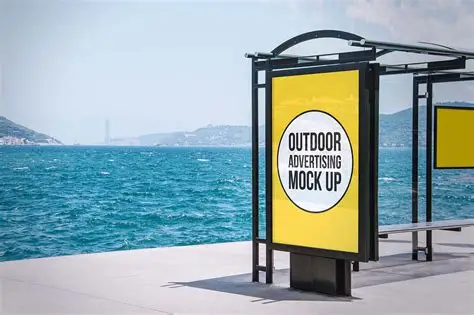
Outdoor advertising surrounds people every day—on highways, sidewalks, public transit, and city centers. While many people recognize outdoor ads when they see them, they may not realize how many different formats exist or how strategically they are used. Each type of outdoor advertising serves a specific purpose, environment, and audience.
This article explores the most common examples of outdoor advertising, explaining how each format works, where it appears, and when businesses should use it.
Overview of Outdoor Advertising Formats
Outdoor advertising, also known as out-of-home (OOH) advertising, includes any advertising placed in public, physical spaces. These formats are designed to reach people while they are commuting, traveling, shopping, or spending time outside their homes.
The most common outdoor advertising formats include:
-
Billboards
-
Transit advertising
-
Street furniture advertising
-
Posters and wallscapes
-
Digital out-of-home (DOOH) advertising
Each format differs in size, placement, cost, and impact.
Billboards
Billboards are the most iconic and recognizable form of outdoor advertising.
What Are Billboards?
Billboards are large advertising structures placed along:
-
Highways
-
Major roads
-
Urban streets
-
Commercial areas
They are designed for high visibility and long-distance viewing.
Types of Billboards
Traditional Static Billboards
These use printed vinyl or paper materials and display a single ad for a set period.
Features:
-
Fixed creative
-
High exposure
-
Long display duration
Digital Billboards
Digital billboards use LED screens to display rotating ads.
Features:
-
Multiple advertisers per board
-
Shorter display intervals
-
Dynamic and animated content
Digital billboards allow flexibility and real-time updates.
Mobile Billboards
Mobile billboards are ads placed on:
-
Trucks
-
Vans
-
Trailers
They move through targeted areas and events, increasing flexibility and novelty.
Why Businesses Use Billboards
Billboards are ideal for:
-
Brand awareness
-
Product launches
-
Local visibility
-
Highway and commuter exposure
They deliver repeated impressions with minimal effort from the audience.
Transit Advertising
Transit advertising reaches people while they travel.
What Is Transit Advertising?
Transit advertising includes ads placed on or inside public transportation systems such as:
-
Buses
-
Trains
-
Subways
-
Trams
-
Taxis
It reaches commuters during daily routines.
Types of Transit Advertising
Bus Advertising
Bus ads appear on:
-
Bus sides
-
Bus backs
-
Interior panels
They offer wide city coverage and repeated exposure.
Train and Subway Advertising
These ads appear:
-
Inside train cars
-
On station walls
-
On platforms
They are especially effective in densely populated urban areas.
Taxi and Rideshare Advertising
Taxi ads may appear:
-
On vehicle rooftops
-
Inside vehicles
-
On digital screens
They often target urban and tourist audiences.
Why Transit Advertising Works
Transit ads benefit from:
-
Daily repetition
-
Captive audiences
-
High-frequency exposure
Commuters see the same messages repeatedly, reinforcing recall.
Street Furniture Advertising
Street furniture advertising places ads on everyday public structures.
What Is Street Furniture Advertising?
Street furniture includes:
-
Bus shelters
-
Benches
-
Kiosks
-
Trash bins
-
Information panels
These ads are positioned at eye level in pedestrian-heavy areas.
Common Street Furniture Formats
Bus Shelter Advertising
Bus shelter ads:
-
Reach waiting passengers
-
Offer long viewing times
-
Are highly visible in urban areas
They are ideal for detailed messaging.
Bench Advertising
Bench ads appear on seating areas in:
-
City streets
-
Parks
-
Transit stops
They target pedestrians and local foot traffic.
Kiosk Advertising
Kiosks often include:
-
Maps
-
Information screens
-
Interactive displays
Ads placed here reach tourists and city visitors.
Advantages of Street Furniture Advertising
Street furniture ads offer:
-
Close-up engagement
-
Pedestrian targeting
-
Strong local relevance
They are especially effective for local businesses.
Posters and Wallscapes
Posters and wallscapes bring flexibility and artistic potential to outdoor advertising.
What Are Outdoor Posters?
Outdoor posters are printed ads placed on:
-
Building walls
-
Construction barriers
-
Dedicated poster panels
They vary in size and placement.
Types of Posters
Small and Medium Posters
Often placed in:
-
High-traffic pedestrian areas
-
Transit stations
-
Retail districts
They deliver frequency and affordability.
Wallscapes (Murals)
Wallscapes are:
-
Large-format ads painted or mounted on buildings
-
Highly visible and impactful
They often become visual landmarks.
Why Brands Use Posters and Wallscapes
These formats are used for:
-
Creative storytelling
-
Cultural relevance
-
Urban branding
Wallscapes can create strong emotional connections.
Digital Out-of-Home (DOOH) Advertising
Digital OOH is the fastest-growing segment of outdoor advertising.
What Is Digital OOH Advertising?
DOOH uses digital screens placed in public spaces such as:
-
Shopping malls
-
Airports
-
Transit hubs
-
City centers
-
Retail stores
It combines outdoor visibility with digital flexibility.
Types of DOOH Screens
Digital Billboards
Large LED screens in high-traffic areas display rotating ads.
Indoor Public Screens
Screens inside:
-
Malls
-
Gyms
-
Elevators
-
Office buildings
They reach audiences during dwell time.
Interactive Digital Displays
Some DOOH ads allow:
-
Touch interaction
-
QR code engagement
-
Mobile integration
This increases engagement and measurability.
Benefits of DOOH Advertising
DOOH offers:
-
Real-time creative updates
-
Time-of-day targeting
-
Dynamic messaging
-
Strong visual impact
It bridges offline and online marketing.
Event and Experiential Outdoor Advertising
Some outdoor ads are tied to live experiences.
Pop-Up Installations
Brands create:
-
Temporary displays
-
Interactive setups
-
Photo opportunities
These generate buzz and social sharing.
Sponsorship and Event Advertising
Outdoor ads appear at:
-
Sports venues
-
Festivals
-
Concerts
They reach highly engaged audiences.
Guerrilla Outdoor Advertising
Guerrilla advertising uses unconventional outdoor placements.
Examples include:
-
Sidewalk art
-
Projection mapping
-
Unexpected installations
These tactics aim to surprise and create viral attention.
Place-Based Outdoor Advertising
Place-based ads appear in specific environments.
Examples:
-
Gas stations
-
Gyms
-
Retail checkout screens
-
Parking garages
They target audiences based on location context.
Comparing Outdoor Advertising Formats
Each outdoor format serves different goals.
Best Formats for Brand Awareness
-
Billboards
-
Wallscapes
-
Digital billboards
Best Formats for Local Businesses
-
Street furniture
-
Bus shelters
-
Posters
Best Formats for Commuters
-
Transit advertising
-
Subway and train ads
Best Formats for Flexibility and Data
-
Digital OOH
-
Interactive displays
Choosing the right format depends on audience and objectives.
Creative Considerations Across Formats
Regardless of format, outdoor ads must follow key creative rules.
Simplicity
Outdoor ads should:
-
Use minimal text
-
Communicate one message
-
Be readable at a glance
Visual Impact
Strong visuals matter more than long copy.
High contrast and bold design improve visibility.
Brand Recognition
Logos and brand elements should be:
-
Clear
-
Prominent
-
Consistent
Outdoor ads often reinforce brand memory rather than drive immediate action.
Measuring Success Across Outdoor Formats
Measurement varies by format.
Methods include:
-
Traffic and impression estimates
-
Location data analysis
-
Brand lift studies
-
QR codes and short URLs
DOOH offers the most advanced measurement options.
Combining Multiple Outdoor Advertising Formats
Many campaigns use several formats together.
Examples:
-
Billboards for awareness
-
Transit ads for frequency
-
DOOH for dynamic messaging
Multi-format campaigns increase reach and impact.
Outdoor Advertising in Urban vs Rural Areas
Urban Environments
Urban outdoor ads benefit from:
-
High foot traffic
-
Dense commuter populations
-
Frequent exposure
Rural and Highway Environments
Rural and highway ads:
-
Reach drivers
-
Offer long viewing distances
-
Deliver strong repetition
Format choice depends on geography.
Industries That Use Outdoor Advertising Most
Outdoor advertising is popular among:
-
Retail brands
-
Real estate companies
-
Automotive brands
-
Entertainment and events
-
Tourism and hospitality
Its versatility supports many use cases.
Future Evolution of Outdoor Advertising Formats
Outdoor advertising continues to evolve.
Emerging trends include:
-
Smarter digital screens
-
Programmatic DOOH buying
-
Data-driven placement decisions
-
Greater interactivity
Innovation is expanding what outdoor ads can do.
Final Thoughts
Outdoor advertising comes in many forms, each with unique strengths. From massive billboards and immersive wallscapes to transit ads, street furniture, and cutting-edge digital displays, outdoor advertising offers unmatched visibility in the physical world.
By choosing the right format—or combination of formats—businesses can effectively reach audiences where they live, work, and travel. When paired with strong creative and strategic placement, outdoor advertising remains a powerful tool for building awareness, reinforcing brand presence, and supporting modern marketing campaigns.
- Arts
- Business
- Computers
- الألعاب
- Health
- الرئيسية
- Kids and Teens
- مال
- News
- Personal Development
- Recreation
- Regional
- Reference
- Science
- Shopping
- Society
- Sports
- Бизнес
- Деньги
- Дом
- Досуг
- Здоровье
- Игры
- Искусство
- Источники информации
- Компьютеры
- Личное развитие
- Наука
- Новости и СМИ
- Общество
- Покупки
- Спорт
- Страны и регионы
- World

 English
 Russian
 French
 Spanish
 Portuguese
 Deutsch
 Turkish
 Dutch
Dutch
 Italiano
 Romaian
 Portuguese (Brazil)
 Greek
Greek
