
What Size Are Outdoor Advertising Billboards?
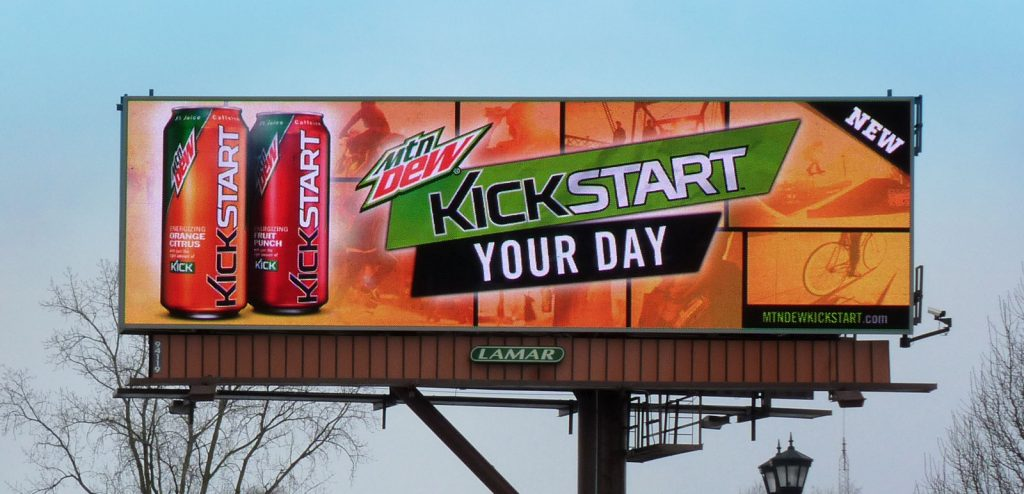
One of the most important practical questions in outdoor advertising is billboard size. Billboard dimensions determine how visible an ad is, how much content it can include, and how it should be designed. Choosing the right billboard size is critical for readability, impact, and overall campaign success.
This article explains standard outdoor advertising billboard sizes, common formats, where they are used, and how size affects creative design and effectiveness.
Why Billboard Size Matters
Billboard size directly affects:
-
Visibility distance
-
Readability at speed
-
Creative layout
-
Cost
Larger billboards offer greater impact, while smaller formats allow more targeted placement.
Are Billboard Sizes Standardized?
Billboard sizes are mostly standardized, but they can vary by:
-
Country
-
City regulations
-
Media owner
-
Location type
However, there are widely accepted industry-standard formats.
The Most Common Billboard Sizes
Bulletins (Large Traditional Billboards)
Bulletin Billboard Size
Standard size:
-
14 feet high × 48 feet wide
This is the most recognizable and widely used billboard size.
Where Bulletins Are Used
Bulletins are commonly found:
-
Along highways
-
On major roads
-
In high-speed traffic areas
They are designed for long-distance viewing.
Best Use Cases for Bulletins
Bulletins are ideal for:
-
Brand awareness campaigns
-
Simple, bold messaging
-
National or regional advertising
Their large size delivers maximum visibility.
Poster Billboards
Poster billboards are smaller than bulletins and more flexible.
Standard Poster Billboard Sizes
Common poster sizes include:
-
10.5 feet × 22.8 feet
-
12 feet × 25 feet
These are often referred to as “30-sheet” posters.
Where Poster Billboards Are Used
Poster billboards are typically placed:
-
In urban areas
-
On secondary roads
-
Near retail districts
They suit slower-moving traffic.
Best Use Cases for Posters
Poster billboards work well for:
-
Local advertising
-
Promotions
-
Retail messaging
They balance cost and impact.
Digital Billboard Sizes
Digital billboards follow similar size standards to static billboards.
Standard Digital Billboard Dimensions
Common digital billboard sizes include:
-
14 feet × 48 feet (digital bulletins)
-
10 feet × 20 feet
-
10.5 feet × 36 feet
Aspect ratios may vary slightly.
Why Digital Billboard Sizes Vary
Digital billboards may differ due to:
-
Screen resolution
-
Location constraints
-
Viewing distance
Media owners provide exact specifications.
Digital Billboard Creative Considerations
Digital billboards:
-
Use motion and animation
-
Rotate multiple ads
-
Have strict file size and timing limits
Creative must be optimized for quick viewing.
Junior and Small Billboard Sizes
Not all billboards are large highway structures.
Junior Billboard Sizes
Typical junior billboard sizes include:
-
6 feet × 12 feet
-
5 feet × 11 feet
These are smaller roadside signs.
Where Junior Billboards Are Used
Junior billboards appear:
-
On local streets
-
Near neighborhoods
-
In suburban areas
They target local audiences.
Best Use Cases for Junior Billboards
Junior billboards are ideal for:
-
Small businesses
-
Neighborhood promotions
-
Budget-conscious campaigns
Wallscapes and Building Wrap Sizes
Wallscapes are non-standard by nature.
Wallscape Dimensions
Wallscapes:
-
Vary widely in size
-
Can span entire building walls
-
Are custom-built for each location
No two wallscapes are exactly alike.
Typical Wallscape Scale
Wallscapes may range from:
-
20 × 50 feet
-
To 100+ feet wide or tall
They offer massive visual impact.
Transit Billboard Sizes
Transit advertising uses different size standards.
Bus Advertising Sizes
Common bus ad sizes include:
-
Side panels
-
Rear panels
-
Full bus wraps (custom sizes)
Dimensions vary by vehicle type.
Subway and Train Advertising Sizes
Transit posters often follow:
-
Standard poster dimensions
-
Platform-specific sizes
Transit authorities provide exact specs.
Street Furniture Billboard Sizes
Street furniture ads are designed for close viewing.
Bus Shelter Advertising Sizes
Common bus shelter poster sizes include:
-
4 feet × 6 feet
-
5 feet × 7 feet
These allow more detailed messaging.
Bench Advertising Sizes
Bench ads are typically:
-
Around 2 feet × 6 feet
They are highly localized.
Airport and Mall Billboard Sizes
Indoor outdoor-style ads vary widely.
Airport Advertising Sizes
Airport billboard formats include:
-
Large digital screens
-
Wall-mounted panels
-
Hanging banners
Sizes depend on terminal layout.
Mall Advertising Sizes
Mall ads include:
-
Digital directories
-
Large-format posters
-
Video walls
They are designed for foot traffic.
Billboard Size vs Viewing Distance
Billboard size should match viewing distance.
Long-Distance Viewing
Highway billboards require:
-
Large formats
-
Minimal text
-
Bold visuals
This ensures readability at speed.
Close-Range Viewing
Smaller formats allow:
-
More text
-
Detailed visuals
-
Clear calls to action
They suit pedestrian environments.
Creative Design by Billboard Size
Designing for Large Billboards
Best practices:
-
One main visual
-
Short headline
-
Large fonts
Avoid clutter.
Designing for Small Billboards
Smaller formats allow:
-
Slightly more copy
-
Clear offers
-
Contact information
Still prioritize clarity.
Digital Billboard Design Rules
Digital billboard creative should:
-
Avoid fast animation
-
Use high contrast
-
Stay within time limits
Simplicity remains essential.
How Billboard Size Affects Cost
Larger billboards generally:
-
Cost more to rent
-
Require higher production costs
However, they also deliver:
-
Higher reach
-
Greater visibility
Cost should be evaluated against goals.
Choosing the Right Billboard Size
The right size depends on:
-
Budget
-
Location
-
Traffic speed
-
Campaign objectives
Size should serve strategy, not ego.
Common Billboard Size Mistakes
Using Too Much Text on Large Billboards
Large size doesn’t mean more copy.
Choosing Small Billboards for High-Speed Roads
Smaller formats lose impact at speed.
Ignoring Aspect Ratio Requirements
Incorrect creative dimensions can cause delays.
Future Trends in Billboard Sizes
Trends include:
-
More digital formats
-
Ultra-wide LED screens
-
Custom-shaped displays
Billboard design is becoming more flexible.
Final Thoughts
Outdoor advertising billboards come in many sizes, but most fall into a few standard formats. From massive 14×48 bulletins to smaller poster and junior billboards, each size serves a specific purpose and environment.
Choosing the right billboard size—and designing creative specifically for that format—ensures maximum visibility, readability, and campaign effectiveness. When size, location, and message align, billboard advertising delivers powerful real-world impact.
- Arts
- Business
- Computers
- Jogos
- Health
- Início
- Kids and Teens
- Money
- News
- Personal Development
- Recreation
- Regional
- Reference
- Science
- Shopping
- Society
- Sports
- Бизнес
- Деньги
- Дом
- Досуг
- Здоровье
- Игры
- Искусство
- Источники информации
- Компьютеры
- Личное развитие
- Наука
- Новости и СМИ
- Общество
- Покупки
- Спорт
- Страны и регионы
- World

 English
 Russian
 French
 Spanish
 Deutsch
 Turkish
 Dutch
Dutch
 Italiano
 Arabic
 Romaian
 Portuguese (Brazil)
 Greek
Greek
