
When Did Brexit Happen? The Referendum Date and Exit Timeline
When Did Brexit Happen? The Referendum Date and Exit Timeline
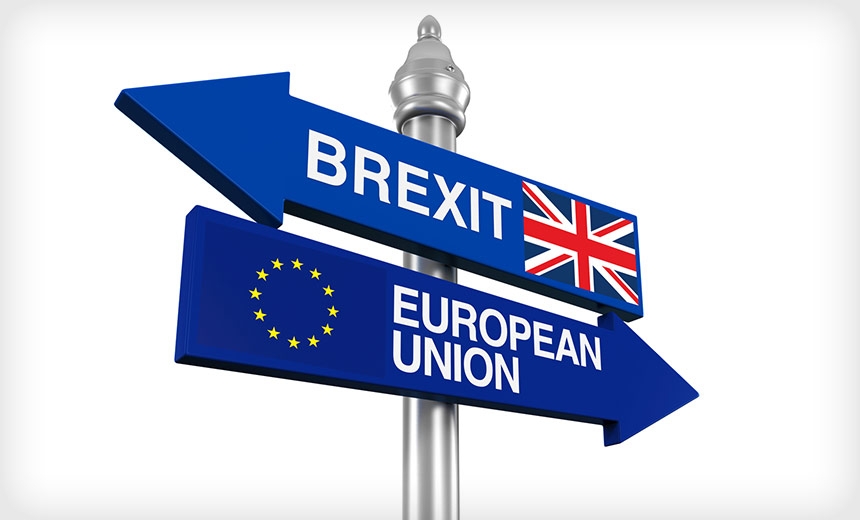
Brexit, the term used to describe the United Kingdom’s (UK) withdrawal from the European Union (EU), is one of the most significant political events in recent British history. The process reshaped the UK’s political landscape, economy, and international relations. Understanding when Brexit happened involves looking at both the referendum that started it and the complex timeline leading to the UK’s official exit from the EU.
The Brexit Referendum
The idea of leaving the EU had been a topic of debate in the UK for decades, but it gained real momentum under Prime Minister David Cameron. On January 23, 2013, Cameron promised that if the Conservative Party won the next general election, the UK would hold an in-out referendum on EU membership. His aim was partly to settle internal party conflicts and partly to respond to rising Euroscepticism and pressure from the UK Independence Party (UKIP).
The referendum was officially announced after the Conservative Party’s victory in the 2015 general election. The vote was scheduled for June 23, 2016, a date that has since become the defining moment of Brexit. On that day, 72.2% of registered voters in the UK were eligible to vote on whether the country should remain in or leave the EU. The question on the ballot was simple: “Should the United Kingdom remain a member of the European Union or leave the European Union?”
The result was narrow but decisive: 51.9% voted to leave, while 48.1% voted to remain. The turnout was high, at 72.2%, reflecting how deeply the issue resonated across the country. The vote exposed significant regional differences: England and Wales largely voted to leave, while Scotland and Northern Ireland favored remaining in the EU.
Immediate Aftermath
The result triggered immediate political consequences. Prime Minister David Cameron, who had campaigned to remain, announced his resignation the next day. Theresa May became Prime Minister in July 2016 and inherited the challenge of negotiating the UK’s departure from the EU—a task fraught with legal, political, and economic complexity.
Following the referendum, the UK government faced the challenge of triggering Article 50 of the Treaty on European Union, the formal mechanism for leaving the EU. Article 50 provides a two-year period for negotiating the terms of exit, which can be extended if all EU member states agree.
Triggering Article 50
After lengthy legal and parliamentary debates, the UK government formally notified the European Council of its intention to leave the EU on March 29, 2017, by triggering Article 50. This action officially started the countdown to Brexit, setting the original exit date for March 29, 2019.
However, the process was anything but straightforward. Negotiations over key issues such as the financial settlement, citizens’ rights, and the Northern Ireland border proved difficult. The complexity of these talks, combined with political disagreements within the UK Parliament, led to multiple delays.
Delays and Extensions
Theresa May’s government negotiated a withdrawal agreement with the EU, but it faced repeated rejection in the UK Parliament. As a result, the original Brexit deadline of March 29, 2019, was extended three times:
-
April 12, 2019: The first extension pushed the date to May 22, 2019.
-
October 31, 2019: After continued parliamentary deadlock, a second extension moved the date to the end of October.
-
January 31, 2020: The final extension set the stage for the UK to leave at the end of January 2020.
These delays were unprecedented in EU history and reflected both the internal political struggles in the UK and the complexities of disentangling decades of EU membership.
Theresa May’s Resignation and Boris Johnson
Theresa May eventually resigned in July 2019 after failing to secure parliamentary approval for her Brexit deal. Boris Johnson became Prime Minister with a promise to “get Brexit done.” He renegotiated parts of the withdrawal agreement, particularly provisions related to the Irish border, and called a general election in December 2019. Johnson’s Conservative Party won a decisive majority, allowing him to pass the revised Brexit deal.
The Official Exit
Finally, the UK officially left the European Union on January 31, 2020, at 11:00 PM GMT. This marked the culmination of nearly four years of negotiation, political struggle, and public debate. However, the UK entered a transition period that lasted until December 31, 2020, during which it remained in the EU’s single market and customs union while both sides negotiated their future relationship.
During the transition, the UK and EU worked on trade, security, and regulatory arrangements. The transition period ended on December 31, 2020, completing the Brexit process. From January 1, 2021, the UK fully left the EU’s structures, trading under the terms of the EU–UK Trade and Cooperation Agreement, which allowed tariff-free trade but introduced customs checks and regulatory barriers.
The Broader Impact
Brexit has had a lasting impact on the UK and EU. Politically, it contributed to significant changes in party dynamics and regional debates, particularly in Scotland, where calls for independence have intensified. Economically, it introduced new trade complexities, affecting businesses and labor mobility. Socially, Brexit highlighted divisions within the UK population regarding national identity, globalization, and sovereignty.
Conclusion
In summary, Brexit was not a single event but a multi-year process. The referendum on June 23, 2016, started the chain of events, while the formal exit occurred on January 31, 2020, followed by a transition period ending on December 31, 2020. This timeline illustrates how leaving a political and economic union as complex as the EU requires both legal mechanisms and careful negotiation. Brexit remains a defining moment in British history, with effects that will continue to unfold for years to come.
- Arts
- Business
- Computers
- Jeux
- Health
- Domicile
- Kids and Teens
- Argent
- News
- Personal Development
- Recreation
- Regional
- Reference
- Science
- Shopping
- Society
- Sports
- Бизнес
- Деньги
- Дом
- Досуг
- Здоровье
- Игры
- Искусство
- Источники информации
- Компьютеры
- Личное развитие
- Наука
- Новости и СМИ
- Общество
- Покупки
- Спорт
- Страны и регионы
- World

 English
 Russian
 Spanish
 Portuguese
 Deutsch
 Turkish
 Dutch
Dutch
 Italiano
 Arabic
 Romaian
 Portuguese (Brazil)
 Greek
Greek
