
What Does Brexit Stand For?
What Does Brexit Stand For?
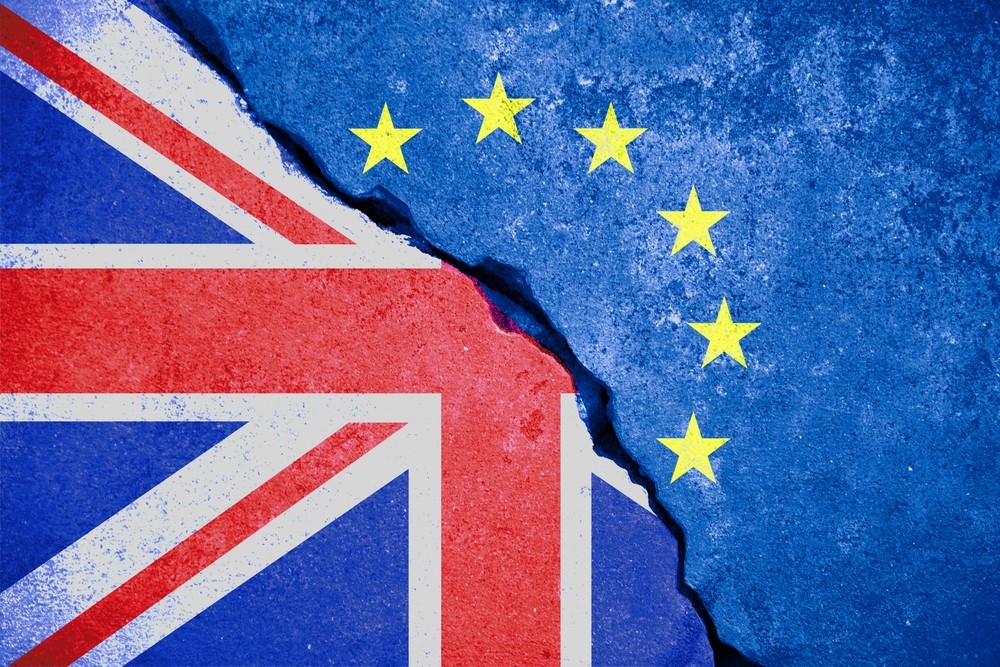
Brexit is a term that has dominated political and economic discussions in the United Kingdom and around the world for the better part of a decade. The word itself is a portmanteau, combining “Britain” and “exit,” and it specifically refers to the United Kingdom’s decision to leave the European Union (EU). But beyond its literal meaning, Brexit represents a complex political, social, and economic phenomenon with far-reaching consequences. To understand what Brexit stands for, it is essential to examine its origins, motivations, process, and impacts.
Origins of Brexit
The roots of Brexit trace back to the UK’s relationship with the European Union, or its predecessor organizations, which has historically been uneasy. The UK joined the European Economic Community (EEC) in 1973, seeking economic advantages such as trade benefits and investment opportunities. However, many in the UK were never fully convinced that membership was beneficial. Concerns over national sovereignty, immigration, and EU regulations were persistent topics in British politics. Over the decades, euroscepticism—doubt or opposition to the EU—grew, particularly among certain political factions, media outlets, and voters who felt that Brussels (the EU’s administrative center) had too much influence over British laws and policies.
The rise of the UK Independence Party (UKIP) in the early 2000s added momentum to calls for a referendum on EU membership. Political pressure on mainstream parties, especially the Conservative Party, eventually led to a promise: the people would decide through a national vote whether the UK should remain in or leave the EU.
The 2016 Referendum
Brexit officially entered public consciousness in a tangible way with the 2016 referendum. On June 23, 2016, British citizens voted on a simple question: “Should the United Kingdom remain a member of the European Union or leave the European Union?” The result was 51.9% in favor of leaving and 48.1% in favor of remaining. While the margin was narrow, it triggered one of the most significant political shifts in modern British history.
The vote revealed deep divisions within the UK. Support for leaving the EU was stronger in England and Wales, particularly in older demographics and rural areas, while Scotland and Northern Ireland largely voted to remain. This geographical split would later have profound political implications, including renewed discussions about Scottish independence and the complex issue of the Northern Ireland border.
Key Motivations Behind Brexit
Brexit was driven by several interrelated motivations:
-
Sovereignty: Many voters and politicians argued that EU membership compromised the UK’s ability to make independent decisions. They wanted Britain to regain control over its laws, borders, and policies without interference from EU institutions.
-
Immigration: Concerns over immigration were a significant factor. EU rules allowed citizens of member states to live and work in other countries without restrictions. Some British voters felt that this led to excessive immigration, placing pressure on public services and affecting local communities.
-
Economic Control: While the EU offered trade advantages, some argued that EU regulations restricted Britain’s economic flexibility. Supporters of Brexit believed the UK could negotiate better trade deals independently, without being bound by EU rules.
-
National Identity: For some, Brexit symbolized a broader assertion of British identity, distinct from European identity. It became a rallying point for those who felt the UK’s culture and traditions were being overshadowed by EU integration.
The Brexit Process
After the referendum, the UK government faced the complex task of disentangling the country from decades of EU membership. In March 2017, the UK formally triggered Article 50 of the EU Treaty, beginning a two-year process intended to negotiate the terms of departure. However, political disagreements in the UK Parliament, particularly over the Northern Ireland border and trade agreements, prolonged negotiations.
Theresa May, the Prime Minister at the time, struggled to get a withdrawal agreement approved, leading to political instability and her eventual resignation. Boris Johnson succeeded her, promising to deliver Brexit “do or die.” In December 2019, the Conservatives won a decisive parliamentary majority, enabling Johnson to finalize the Brexit deal. The UK officially left the EU on January 31, 2020, entering a transition period that lasted until December 31, 2020, during which many EU rules still applied.
Brexit and Its Implications
Brexit stands for more than just a political decision—it represents a shift with broad consequences for the UK and Europe.
-
Economic Impact: Leaving the EU affected trade, investment, and supply chains. While the UK sought to negotiate trade deals with non-EU countries, businesses faced new customs checks and regulatory barriers when trading with Europe. Some industries, like fishing and finance, experienced significant disruptions.
-
Political Ramifications: Brexit reshaped UK politics, deepening divisions between parties and regions. Scotland’s pro-EU sentiment has reignited debates over independence, while Northern Ireland faces challenges under the Northern Ireland Protocol, which addresses trade and border issues with the EU.
-
Social and Cultural Effects: Brexit has influenced migration, education, and public sentiment. Some EU citizens left the UK, and new visa and residency rules were implemented. Public opinion remains divided, reflecting the referendum’s narrow margin.
-
Global Positioning: Brexit also represents a recalibration of the UK’s international role. Freed from EU regulations, the UK seeks to establish new trade partnerships and a distinct foreign policy, but it must also navigate the challenges of reduced influence in European decision-making.
Brexit as a Symbol
Beyond the tangible effects, Brexit stands as a symbol of wider trends in contemporary politics: the tension between globalization and nationalism, the debate over sovereignty versus international cooperation, and the growing influence of direct democracy in shaping national policy. For some, Brexit embodies empowerment and independence; for others, it represents division and uncertainty. Its legacy continues to evolve as the UK and EU adjust to a post-Brexit reality.
Conclusion
In summary, Brexit stands for Britain’s decision to leave the European Union—a decision driven by concerns over sovereignty, immigration, economic control, and national identity. While the referendum result was narrowly in favor of leaving, its implications have been profound, affecting the economy, politics, and society. Brexit is not just a historical event but a continuing story, illustrating the complexities of modern governance in an interconnected world. It reflects the challenges nations face in balancing self-determination with international cooperation, a debate that will continue shaping Britain and Europe for years to come.
- Arts
- Business
- Computers
- Игры
- Health
- Главная
- Kids and Teens
- Деньги
- News
- Personal Development
- Recreation
- Regional
- Reference
- Science
- Shopping
- Society
- Sports
- Бизнес
- Деньги
- Дом
- Досуг
- Здоровье
- Игры
- Искусство
- Источники информации
- Компьютеры
- Личное развитие
- Наука
- Новости и СМИ
- Общество
- Покупки
- Спорт
- Страны и регионы
- World

 English
 French
 Spanish
 Portuguese
 Deutsch
 Turkish
 Dutch
Dutch
 Italiano
 Arabic
 Romaian
 Portuguese (Brazil)
 Greek
Greek
