
What Is Personal Development?
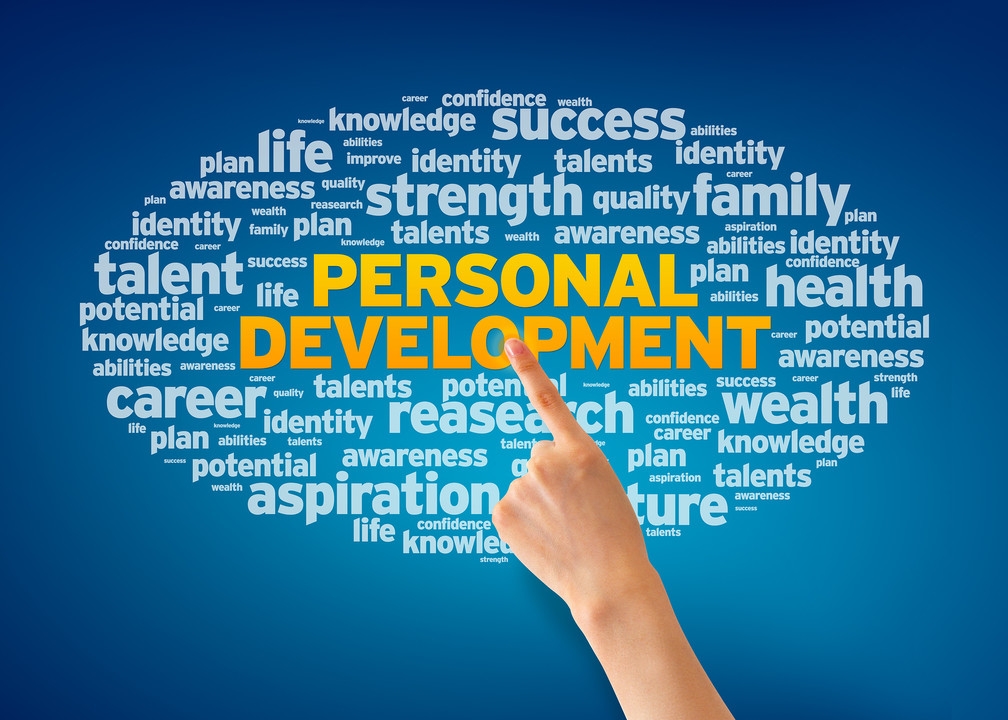
What Is Personal Development?
Personal development is the ongoing process of improving oneself through conscious effort. It involves enhancing skills, mindset, self-awareness, and overall quality of life. At its core, personal development is about intentional growth—becoming more capable, confident, and aligned with one’s values and goals over time.
The Core Idea of Personal Development
Personal development focuses on the belief that individuals are not static. Skills can be learned, habits can be changed, and perspectives can evolve. Rather than relying solely on external circumstances, personal development emphasizes internal responsibility: how you think, act, and respond to challenges.
This process is lifelong. It does not end with formal education or a specific achievement; instead, it adapts as your life stages, priorities, and environments change.
Key Areas of Personal Development
Personal development typically spans several interconnected areas:
-
Self-awareness
Understanding your strengths, weaknesses, values, emotions, and motivations. Self-awareness is foundational because it guides better decisions and realistic goal-setting. -
Mindset and attitude
Developing a growth mindset, emotional resilience, and constructive thinking patterns. This includes learning how to manage stress, handle failure, and stay motivated. -
Skills and competence
Improving practical and cognitive skills such as communication, problem-solving, leadership, time management, or technical abilities relevant to your career or interests. -
Health and well-being
Physical and mental health play a major role in personal growth. Sleep, nutrition, exercise, and mental balance directly affect performance and quality of life. -
Relationships and social development
Building empathy, communication skills, and healthy boundaries to form stronger personal and professional relationships.
Why Personal Development Matters
Personal development matters because it increases both effectiveness and fulfillment. People who actively work on themselves tend to:
-
Set clearer goals and pursue them more consistently
-
Adapt better to change and uncertainty
-
Communicate more effectively
-
Experience greater confidence and self-esteem
-
Lead more intentional and meaningful lives
In professional contexts, personal development often translates into better performance, leadership potential, and career mobility. On a personal level, it supports emotional balance and a stronger sense of purpose.
How Personal Development Happens
Personal development can take many forms, including:
-
Reading books, articles, or research
-
Taking courses or learning new skills
-
Reflecting through journaling or meditation
-
Seeking feedback, coaching, or mentorship
-
Setting goals and reviewing progress regularly
What matters most is consistency. Small, repeated actions compound over time into significant change.
Personal Development Is Individual
There is no single path to personal development. What is meaningful growth for one person may not be for another. Some may focus on career advancement, others on emotional healing, creativity, or relationships. Effective personal development aligns with personal values rather than external pressure or comparison.
Conclusion
Personal development is the deliberate practice of becoming better equipped to handle life—mentally, emotionally, and practically. It is not about perfection, but progress. By investing in self-awareness, skills, mindset, and well-being, individuals can shape a more intentional, resilient, and fulfilling life.
- Arts
- Business
- Computers
- Giochi
- Health
- Home
- Kids and Teens
- Money
- News
- Personal Development
- Recreation
- Regional
- Reference
- Science
- Shopping
- Society
- Sports
- Бизнес
- Деньги
- Дом
- Досуг
- Здоровье
- Игры
- Искусство
- Источники информации
- Компьютеры
- Личное развитие
- Наука
- Новости и СМИ
- Общество
- Покупки
- Спорт
- Страны и регионы
- World

 English
 Russian
 French
 Spanish
 Portuguese
 Deutsch
 Turkish
 Dutch
Dutch
 Arabic
 Romaian
 Portuguese (Brazil)
 Greek
Greek
