
Can Outdoor Advertising Include QR Codes or URLs?
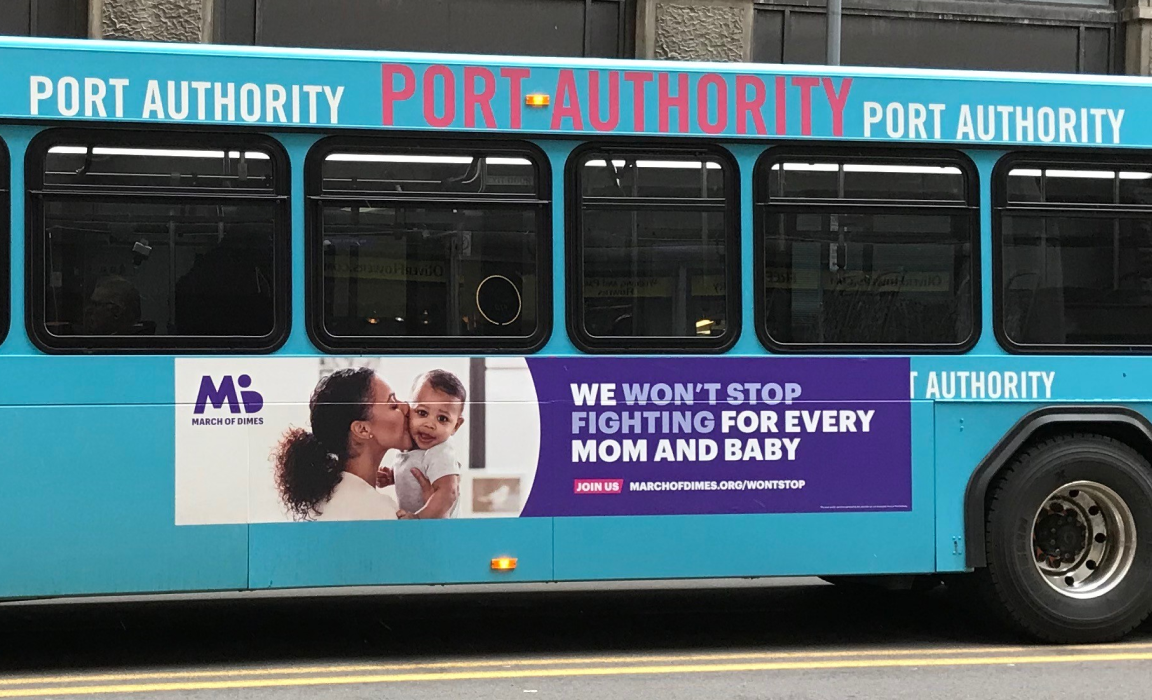
Outdoor advertising has traditionally focused on awareness rather than direct response, but modern technology has expanded what outdoor ads can do. Today, QR codes and URLs are commonly used in outdoor advertising to connect offline exposure with online action. When implemented correctly, they can significantly enhance engagement and measurability.
This article explains whether outdoor advertising can include QR codes or URLs, how they work, and best practices for using them effectively.
The Role of QR Codes and URLs in Outdoor Advertising
Outdoor ads are often seen for only a few seconds. QR codes and URLs provide:
-
A bridge from physical to digital
-
A clear next step for interested viewers
-
A way to track response
They turn awareness into action.
Are QR Codes and URLs Allowed in Outdoor Advertising?
In most markets, yes:
-
QR codes and URLs are permitted
-
As long as they comply with local content regulations
However, placement, size, and readability matter.
Why QR Codes Became Popular in Outdoor Advertising
QR codes gained widespread adoption because:
-
Smartphones are universal
-
Scanning requires minimal effort
-
No typing is needed
This makes them ideal for quick interactions.
When to Use QR Codes in Outdoor Advertising
High-Dwell-Time Environments
QR codes work best in locations where people:
-
Are stopped or waiting
-
Have time to scan
Examples:
-
Bus shelters
-
Transit platforms
-
Pedestrian areas
-
Elevators and lobbies
Interior Transit Advertising
Inside buses and trains:
-
Passengers have extended viewing time
-
Scanning is more convenient
QR codes perform well here.
Events and Promotional Campaigns
QR codes are effective for:
-
Ticket purchases
-
Event registration
-
Limited-time offers
They support immediate action.
When URLs Work Better Than QR Codes
High-Speed Roadways
On highways:
-
Drivers cannot safely scan QR codes
Short URLs are safer and more appropriate.
Large-Format Billboards
For distant viewing:
-
QR codes may be unreadable
-
Simple URLs are more practical
Memorable URLs perform better.
Best Practices for Using QR Codes in Outdoor Ads
Make QR Codes Large Enough
QR codes must be:
-
Easily scannable from expected viewing distance
-
High contrast against the background
Small codes reduce scan rates.
Place QR Codes in Logical Areas
Place them:
-
At eye level when possible
-
Away from edges
-
Where viewers naturally look
Avoid awkward placement.
Use Clear Calls to Action
Always explain why someone should scan:
-
“Scan for directions”
-
“Scan to get 20% off”
-
“Scan to book now”
Without a reason, scans drop.
Link to Mobile-Optimized Pages
QR codes should lead to:
-
Fast-loading
-
Mobile-friendly pages
Poor landing pages waste interest.
Track QR Code Performance
Use:
-
Unique URLs
-
Tracking parameters
This allows performance measurement.
Best Practices for Using URLs in Outdoor Advertising
Keep URLs Short and Memorable
Avoid long or complex URLs.
Use:
-
Custom short domains
-
Simple slugs
Example:
-
brand.com/deal
Avoid Complex Spelling
If viewers must remember it:
-
Simplicity matters
Hard-to-spell URLs reduce response.
Reinforce With Repetition
Seeing the same URL repeatedly:
-
Improves recall
-
Increases visits
Consistency matters.
QR Codes vs URLs: Which Is Better?
QR Codes Advantages
-
Faster interaction
-
No typing required
-
Strong tracking
QR Codes Limitations
-
Require close proximity
-
Not usable while driving
URL Advantages
-
Can be remembered
-
Works at a distance
URL Limitations
-
Requires effort to type
-
Less immediate
Combining QR Codes and URLs
Many successful outdoor ads include:
-
A QR code for immediate action
-
A short URL as a backup
This covers multiple scenarios.
DOOH and Interactive Capabilities
Dynamic QR Codes
Digital OOH allows:
-
QR codes that change by time or location
This improves relevance.
Time-Based URLs
DOOH ads can display:
-
Different URLs at different times
This supports targeted messaging.
Measuring Engagement From Outdoor Ads
QR Code Metrics
Track:
-
Scans
-
Location of scans
-
Time of scans
These insights inform optimization.
URL Analytics
Monitor:
-
Direct traffic
-
Campaign-specific visits
-
Conversion rates
Attribution Challenges
Outdoor-driven actions may:
-
Occur hours or days later
Attribution is directional, not absolute.
Common Mistakes When Using QR Codes or URLs
Making Them Too Small
Unreadable elements kill engagement.
No Clear CTA
Without motivation, people won’t act.
Linking to Generic Homepages
Always send users to relevant content.
Using Too Many Links
Focus on one action.
Industry Use Cases
Retail
-
Scan for discounts
-
Store locator links
Restaurants
-
View menus
-
Order online
Real Estate
-
View listings
-
Book showings
Entertainment
-
Buy tickets
-
Watch trailers
Healthcare and Services
-
Book appointments
-
Learn more
Are QR Codes and URLs Worth Including?
When used correctly, yes.
They:
-
Extend campaign value
-
Improve measurability
-
Connect offline and online experiences
But they must match the environment and audience behavior.
The Future of Interactive Outdoor Advertising
As technology evolves:
-
NFC
-
Mobile location data
-
Augmented reality
Will further enhance outdoor interactivity. QR codes are a strong starting point.
Final Thoughts
Outdoor advertising can absolutely include QR codes and URLs, and when used strategically, they enhance engagement without compromising clarity. The key is matching the interaction method to the environment, keeping designs simple, and providing a clear reason to act.
Used thoughtfully, QR codes and URLs turn outdoor advertising from passive exposure into measurable, actionable marketing.
- Arts
- Business
- Computers
- Juegos
- Health
- Home
- Kids and Teens
- Money
- News
- Personal Development
- Recreation
- Regional
- Reference
- Science
- Shopping
- Society
- Sports
- Бизнес
- Деньги
- Дом
- Досуг
- Здоровье
- Игры
- Искусство
- Источники информации
- Компьютеры
- Личное развитие
- Наука
- Новости и СМИ
- Общество
- Покупки
- Спорт
- Страны и регионы
- World

 English
 Russian
 French
 Portuguese
 Deutsch
 Turkish
 Dutch
Dutch
 Italiano
 Arabic
 Romaian
 Portuguese (Brazil)
 Greek
Greek
