
What Does PPC Stand For?
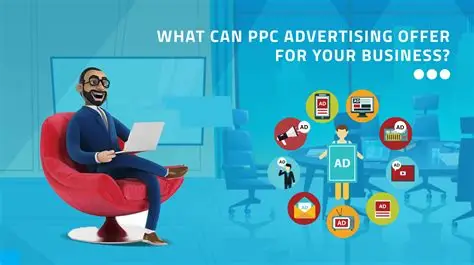
PPC is one of the most commonly used terms in digital marketing, yet many people encounter it long before fully understanding what it actually means. From small business owners launching their first ads to marketers managing large-scale campaigns, PPC is a foundational concept that shapes how online advertising works today.
This article explains what PPC stands for, what the term really means in practice, how it originated, and why it has become such a dominant advertising model in the digital economy.
The Meaning of PPC
What Does PPC Stand For?
PPC stands for Pay-Per-Click.
It refers to an online advertising pricing model where advertisers pay only when someone clicks on their ad, rather than paying simply for the ad to be shown.
In short:
-
No click = no cost
-
Click = advertiser pays
This performance-based structure is what makes PPC so appealing.
The Core Idea Behind Pay-Per-Click
The PPC model aligns:
-
Advertiser cost
-
User engagement
Instead of paying for exposure alone, advertisers pay for measurable interest.
This creates a more efficient advertising ecosystem.
Breaking Down the Term “Pay-Per-Click”
“Pay”
Advertisers spend money from a predefined budget. Costs are controlled through:
-
Daily budgets
-
Maximum bids
-
Campaign limits
This ensures predictability.
“Per”
The cost applies to each individual interaction. Every click is tracked separately.
“Click”
A click represents:
-
User intent
-
Active engagement
It signals interest beyond passive viewing.
Why PPC Is Not the Same as “Paid Ads”
While PPC is a type of paid advertising, not all paid ads are PPC.
Other pricing models include:
-
CPM (cost per thousand impressions)
-
CPA (cost per action)
-
Flat-rate sponsorships
PPC specifically focuses on clicks.
The Origins of PPC Advertising
Early Online Advertising Models
Before PPC, online ads were sold mostly on:
-
Flat fees
-
Impression-based pricing
Advertisers paid regardless of performance.
The Birth of PPC
PPC emerged in the late 1990s as a response to:
-
Poor measurability
-
Advertiser frustration
Search engines pioneered PPC as a fairer alternative.
PPC and Search Engines
Search advertising helped PPC grow because:
-
Searches show intent
-
Clicks reflect relevance
This made PPC highly effective.
How PPC Became an Industry Standard
Measurability Changed Everything
PPC allowed advertisers to track:
-
Clicks
-
Conversions
-
Revenue
This data-driven approach transformed marketing.
Performance-Based Accountability
Marketing budgets shifted because PPC:
-
Reduced wasted spend
-
Improved ROI visibility
Executives could justify investment.
Scalability for All Business Sizes
PPC worked for:
-
Small businesses
-
Startups
-
Enterprises
Anyone could compete.
What PPC Means in Practice
PPC Is Not Just One Platform
PPC applies across:
-
Search engines
-
Social media
-
Display networks
-
Video platforms
It’s a pricing model, not a channel.
PPC Campaigns Are Intentional
Every PPC campaign involves:
-
Targeting choices
-
Budget decisions
-
Performance optimization
Clicks are earned, not guaranteed.
PPC vs Other Pricing Models
PPC vs CPM
PPC charges per click.
CPM charges per thousand impressions.
PPC prioritizes engagement.
CPM prioritizes visibility.
PPC vs CPA
PPC charges for clicks.
CPA charges for completed actions.
CPA is often built on top of PPC data.
PPC vs Flat-Rate Advertising
Flat-rate ads:
-
Offer predictability
-
Lack performance accountability
PPC adapts in real time.
Why “Click” Matters So Much
Clicks Represent Intent
A click shows:
-
Curiosity
-
Interest
-
Potential buying intent
This is more valuable than a view.
Clicks Enable Optimization
Clicks allow platforms to:
-
Test relevance
-
Improve ad quality
-
Optimize delivery
Better clicks lower costs.
The Psychology Behind PPC
Choice and Control
Users choose whether to click.
Advertisers choose whether to pay.
This balance builds trust.
Relevance Over Interruption
PPC rewards ads that:
-
Match user intent
-
Solve real problems
Irrelevant ads fail.
PPC Across Different Industries
Ecommerce
PPC drives:
-
Product discovery
-
Direct sales
Clicks often lead directly to revenue.
Local Businesses
PPC supports:
-
Local searches
-
Immediate needs
Clicks convert quickly.
B2B Marketing
PPC generates:
-
Leads
-
Demo requests
-
Whitepaper downloads
Clicks initiate long sales cycles.
Education and Services
PPC supports:
-
Inquiries
-
Applications
-
Appointments
Clicks signal research intent.
What PPC Does Not Mean
PPC Is Not Free Traffic
While results are measurable, PPC still requires budget discipline.
PPC Is Not Guaranteed Success
Clicks don’t always convert. Strategy matters.
PPC Is Not Passive Marketing
PPC requires:
-
Monitoring
-
Testing
-
Optimization
It’s active, ongoing work.
Why PPC Terminology Matters
Clear Communication
Understanding PPC terminology helps:
-
Set expectations
-
Communicate with agencies
-
Evaluate proposals
Clarity prevents wasted spend.
Better Strategic Decisions
Knowing what PPC means allows businesses to:
-
Choose the right channels
-
Allocate budgets wisely
Common Misunderstandings About PPC
“PPC Means Cheap Advertising”
PPC can be expensive in competitive markets.
“PPC Is Only for Big Companies”
Small businesses often benefit the most.
“PPC Is Only Google Ads”
PPC exists across many platforms.
The Role of PPC in Modern Marketing
PPC Complements Organic Efforts
PPC supports:
-
SEO
-
Content marketing
-
Brand building
It fills gaps while organic grows.
PPC Supports Data-Driven Marketing
Every click produces insight:
-
Keyword performance
-
Audience behavior
-
Conversion trends
This informs broader strategy.
PPC in a Privacy-Focused Future
As tracking evolves:
-
PPC relies more on intent
-
Less on personal data
This strengthens its longevity.
The Evolution of PPC Terminology
From Manual Bidding to Automation
While the name PPC remains, execution has evolved:
-
Smart bidding
-
AI optimization
-
Machine learning
But the click-based cost model remains central.
PPC as a Universal Concept
Even as platforms change, PPC remains:
-
A shared language
-
A standard pricing structure
Why PPC Will Continue to Matter
As long as:
-
People search
-
People browse
-
People click
PPC will remain relevant.
Final Thoughts
PPC stands for Pay-Per-Click, but it represents far more than a pricing model. It symbolizes the shift toward accountable, performance-based advertising where cost is tied to real user action. By focusing on clicks, PPC empowers advertisers to control budgets, measure impact, and reach audiences with intent.
Understanding what PPC stands for is the first step toward using it effectively—and avoiding costly misunderstandings in the world of online advertising.
- Arts
- Business
- Computers
- Spiele
- Health
- Startseite
- Kids and Teens
- Geld
- News
- Personal Development
- Recreation
- Regional
- Reference
- Science
- Shopping
- Society
- Sports
- Бизнес
- Деньги
- Дом
- Досуг
- Здоровье
- Игры
- Искусство
- Источники информации
- Компьютеры
- Личное развитие
- Наука
- Новости и СМИ
- Общество
- Покупки
- Спорт
- Страны и регионы
- World

 English
 Russian
 French
 Spanish
 Portuguese
 Turkish
 Dutch
Dutch
 Italiano
 Arabic
 Romaian
 Portuguese (Brazil)
 Greek
Greek
