
How Does Brexit Affect Travel to the EU?
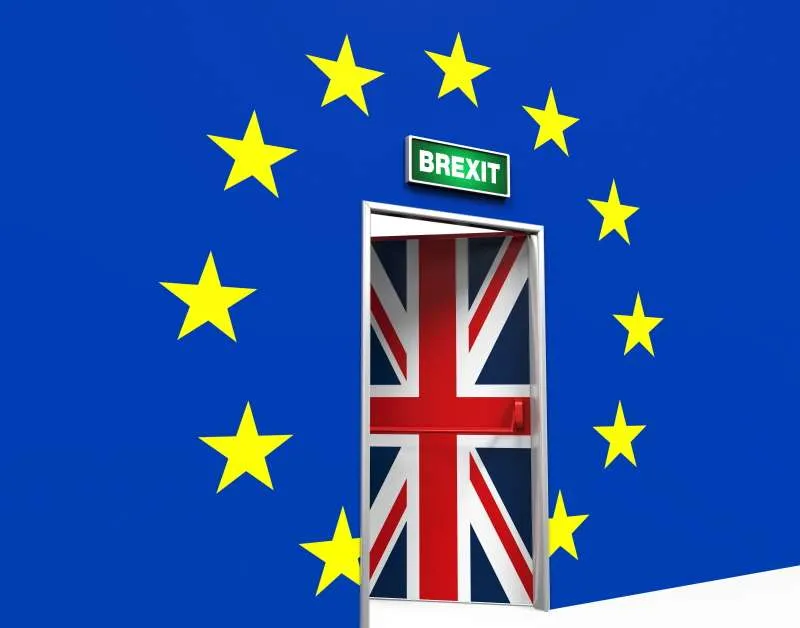
How Does Brexit Affect Travel to the EU?
Visas, Passports, and Border Rules Explained
Brexit changed many things — including how UK citizens travel to the European Union (EU). Until the end of 2020, the UK was part of the EU single market and EU free movement rules applied. Since then, the UK has been treated as a “third country” (a country outside the EU/Schengen area), meaning travel rules for British citizens are now similar to those for people from the United States, Canada, Japan, and others.
Below we break down the main ways Brexit affects travel: visa requirements, passport rules, and what happens at the border.
🛂 1. Visa Rules for Short Visits
No Visa Needed for Short Stays (90 Days Rule)
For most short tourist or business trips, British passport holders do not need a visa to enter the EU or Schengen area — the group of EU countries that operate open borders with each other. You can stay in the Schengen area for up to 90 days in any 180-day period without a visa.
This rule applies to most EU countries minus exceptions like Ireland, which has its own separate travel agreements with the UK.
What Counts as a “Short Stay”?
A short stay includes:
-
Tourism
-
Visiting family or friends
-
Short business trips (meetings, conferences)
-
Transit through airports
If you want to work, study, or stay longer than 90 days, you will likely need a national visa or residence permit from the specific EU country you intend to stay in. Each country has its own rules and application process for these.
Future Travel Authorization (ETIAS)
Starting late 2026, the EU plans to introduce the European Travel Information and Authorisation System (ETIAS). This is not a visa but a pre-travel authorization British travellers will need before visiting the EU/Schengen area. It’s similar to the U.S. ESTA system:
-
You apply online before travel
-
It usually costs a fee (expected around €20)
-
It’s valid for multiple trips over three years or until your passport expires.
ETIAS is intended to register travellers ahead of arrival and enhance security while keeping visa-free travel simple.
🧑✈️ 2. Passport Requirements After Brexit
Passport Still Required — No More ID Cards
Before Brexit, British citizens could often travel within the EU/Schengen using just a national ID card. Now you must bring a valid passport to travel.
Passport Validity Rules
To enter most EU countries, your passport must:
-
Be valid for the entire duration of your stay
-
(Some countries may require it be valid for 3–6 months beyond your planned exit date — check each country’s rules before you travel)
Also, passports shouldn’t be older than 10 years (this matters because some EU passport control systems check issue dates).
Irish Travel Is Different
Ireland is an EU member but not part of the Schengen area and it maintains the Common Travel Area with the UK. This means British citizens can travel to Ireland under traditional arrangements — generally without some of the EU border systems that apply elsewhere.
🚪 3. Border Checks and New Systems
Since Brexit, British travellers are no longer treated as EU citizens at the border, so checks are more like those for other non-EU nationals.
EU Entry/Exit System (EES)
From October 2025, the EU introduced a new Entry/Exit System (EES). This digital system replaces manual passport stamping for non-EU travellers and is being rolled out through to April 2026.
Here’s what it means:
-
On your first visit, you’ll scan your passport and give biometric data (fingerprints and a photograph).
-
On later visits during the validity period (usually up to three years), a quick passport/facial scan is all that’s needed.
-
Children under 12 are photographed but usually not fingerprinted.
-
The system helps EU border control track how long non-EU visitors stay and enforce the 90-day limit.
This applies throughout most of the Schengen area — including countries like France, Spain, Germany, Italy, the Netherlands, and others — as well as non-EU Schengen states such as Norway, Iceland, Switzerland and Liechtenstein.
Exceptions:
-
EES does not apply if you are travelling only to Ireland.
-
Cyprus also may not implement EES immediately.
Passport Stamping and Border Questions
While EES replaces passport stamping digitally, some countries may still stamp passports or ask routine questions at border control about your trip, funds, accommodation or return ticket — much like other non-EU travellers experience.
Delays and Queues
During peak travel times and as EES is rolled out in stages, some travellers have experienced longer queues at border control. Systems are still being fully integrated and staffed at airports, ports, and major rail terminals.
✈️ 4. Summary of Key Changes for British Travellers
| Topic | Before Brexit | After Brexit |
|---|---|---|
| Document Needed | Passport or national ID card | Valid passport required |
| Stay Rules | Free movement | 90 days in 180 days without visa |
| Border Checks | Minimal (EU citizen lanes) | Digital entry checks (EES) |
| Biometric Data Needed | No | Yes — fingerprint/face scan |
| Pre-Travel Authorisation | Not required | ETIAS planned from late 2026 |
| Visas for Long Stays | Free movement rules | National visas required |
✍️ Tips for British Travellers
-
Check passport validity: Make sure your passport meets EU requirements before you book your trip.
-
Plan for border checks: Allow extra time at passport control, especially during busy periods.
-
Apply for ETIAS early: Once it starts, you’ll need it before you travel.
-
Know the 90-day rule: Keep track of how many days you’ve spent in the Schengen area to avoid overstaying.
-
Check each country’s rules: Some countries have specific entry criteria beyond the EU baseline.
🧭 Final Thought
Brexit simplified some aspects of policymaking for the UK and the EU, but it standardised travel rules for British citizens to be the same as other non-EU visitors. You can still travel freely for short visits without a visa, but passport checks, digital border systems, and future authorisations (ETIAS) are now part of the process. Keeping up with these changes and preparing before you travel will help your trip go smoothly.
- Arts
- Business
- Computers
- Παιχνίδια
- Health
- Κεντρική Σελίδα
- Kids and Teens
- Money
- News
- Personal Development
- Recreation
- Regional
- Reference
- Science
- Shopping
- Society
- Sports
- Бизнес
- Деньги
- Дом
- Досуг
- Здоровье
- Игры
- Искусство
- Источники информации
- Компьютеры
- Личное развитие
- Наука
- Новости и СМИ
- Общество
- Покупки
- Спорт
- Страны и регионы
- World

 English
 Russian
 French
 Spanish
 Portuguese
 Deutsch
 Turkish
 Dutch
Dutch
 Italiano
 Arabic
 Romaian
 Portuguese (Brazil)
