
How Does Brexit Affect Northern Ireland?
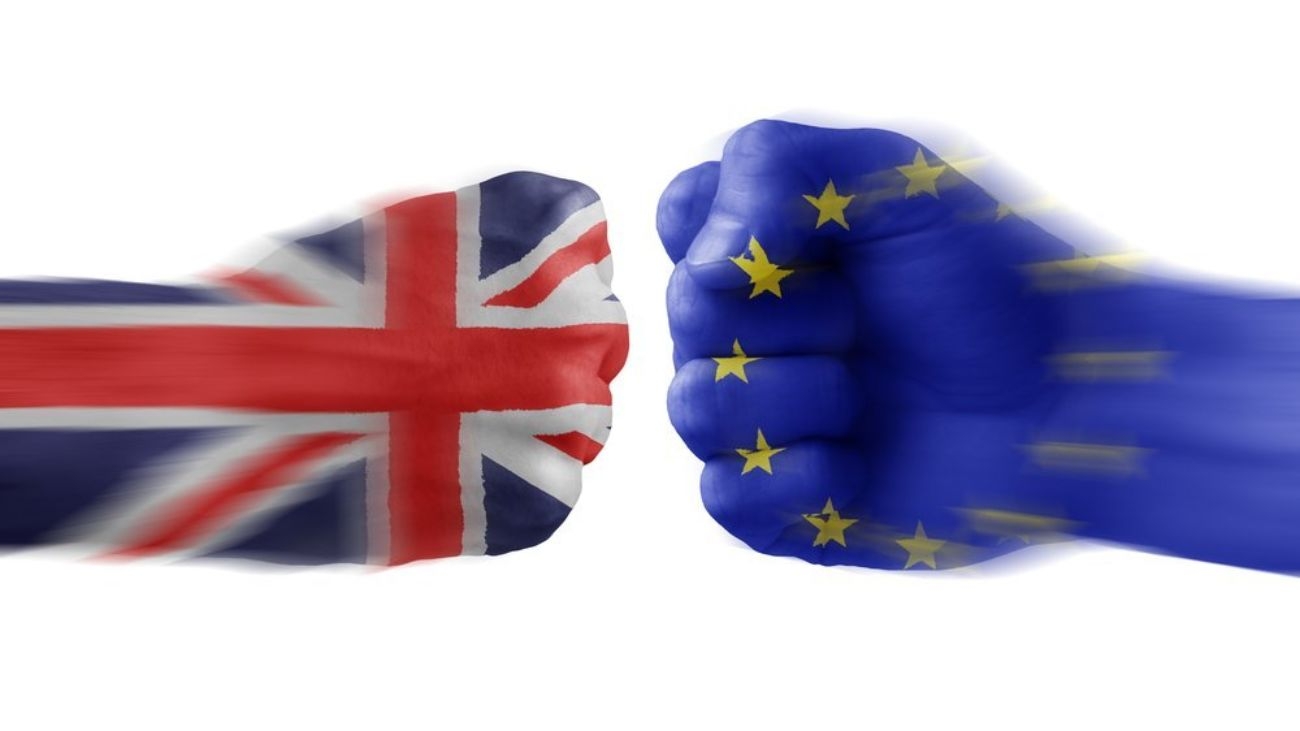
How Does Brexit Affect Northern Ireland?
Brexit has had a deeper and more complicated impact on Northern Ireland than on any other part of the United Kingdom. This is mainly because Northern Ireland is the only part of the UK that shares a land border with an EU country – the Republic of Ireland. That border, and the political and social history connected to it, made Brexit especially sensitive and difficult to manage.
To understand the impact, it is important to look at three main areas: borders and trade, politics and identity, and everyday life.
Northern Ireland’s special position
Before Brexit, both the UK and Ireland were members of the European Union. This meant that the border between Northern Ireland and the Republic of Ireland was open. People, goods and services could move freely across it.
This open border is also a key part of the Good Friday Agreement (1998), the peace agreement that helped end decades of violent conflict known as the Troubles. Removing visible border checks helped reduce tensions and made daily life easier for communities living near the border.
When the UK voted to leave the EU in 2016, a major problem appeared:
if the UK left the EU’s customs union and single market, a border would normally be needed between the UK and the EU. But placing a hard border on the island of Ireland risked damaging peace and stability.
The Northern Ireland Protocol and the new trade system
To avoid a hard land border, the UK and the EU agreed on a special arrangement for Northern Ireland. This became known as the Northern Ireland Protocol, which later evolved into a revised system called the Windsor Framework.
Under this arrangement:
-
Northern Ireland remains aligned with certain EU rules for goods.
-
Goods moving from Great Britain to Northern Ireland are checked.
-
Goods moving between Northern Ireland and the Republic of Ireland are not checked.
In practice, this means a new trade border exists in the Irish Sea, rather than on land.
This is one of the biggest ways Brexit affects Northern Ireland.
Effects on trade and businesses
For many businesses, the new system has brought both challenges and opportunities.
Challenges
Companies bringing products from England, Scotland or Wales into Northern Ireland now face:
-
extra paperwork
-
new customs procedures
-
checks on some food and agricultural products
Small businesses have found this especially difficult, because they often do not have the staff or resources to deal with complicated customs rules. Some British suppliers have stopped selling to Northern Ireland altogether because the process is seen as too costly or confusing.
This has sometimes reduced product choice and increased costs for businesses and customers.
Opportunities
At the same time, Northern Ireland has a unique advantage. It can trade freely with:
-
the rest of the UK market, and
-
the EU single market for goods.
This gives Northern Ireland a special economic position that no other part of the UK has. Some companies see this as a chance to attract investment, especially from firms that want access to both markets.
So while Brexit has created real difficulties, it has also created potential long-term benefits.
Everyday life and consumers
For many people, Brexit has not dramatically changed daily routines, but some small and noticeable differences exist.
Online shopping is one example. Some customers in Northern Ireland have found that certain British websites:
-
do not deliver to Northern Ireland anymore, or
-
charge higher delivery fees.
There have also been concerns over the supply of medicines and food products, although systems have been put in place to try to prevent serious shortages.
For most people, the land border with the Republic of Ireland still feels the same as before. There are no physical checkpoints, which helps protect normal cross-border travel for work, education, healthcare and family life.
Political impact and tension
Brexit has strongly affected Northern Ireland’s politics.
The main political divide in Northern Ireland is between:
-
unionists, who want Northern Ireland to remain part of the UK, and
-
nationalists, who generally support closer ties with Ireland and, in many cases, Irish unity.
Many unionists believe that the post-Brexit trade system weakens Northern Ireland’s place in the United Kingdom. They argue that checks between Great Britain and Northern Ireland create an internal UK border, which they see as unacceptable.
As a result, unionist parties, especially the Democratic Unionist Party (DUP), have strongly opposed the Protocol and later arrangements. This disagreement has repeatedly disrupted the operation of Northern Ireland’s devolved government at Stormont.
Nationalist parties, on the other hand, generally support the special arrangements because they avoid a hard border on the island of Ireland and protect economic links with the EU.
Brexit has therefore increased political tension and made cooperation between parties more difficult.
Identity and community concerns
Brexit has also had an emotional and cultural impact.
Many people in Northern Ireland identify as:
-
British,
-
Irish, or
-
both.
Because of the Good Friday Agreement, people born in Northern Ireland can choose to be British citizens, Irish citizens, or both. Brexit has made questions of identity more sensitive, especially among unionists who feel that their British identity is being weakened by the new trading arrangements.
At the same time, some nationalists see Northern Ireland’s closer economic alignment with the EU and the Republic of Ireland as strengthening all-island cooperation.
While Brexit has not caused widespread violence, it has increased distrust and frustration in some communities.
Law-making and democratic concerns
Another issue is that Northern Ireland must follow certain EU rules on goods in order to keep the land border open. However, the UK no longer has a direct role in making those EU laws.
Some people argue that this creates a democratic problem, because laws can apply in Northern Ireland even though its representatives do not vote on them in the European institutions.
The Windsor Framework introduced a mechanism sometimes called the “Stormont Brake,” which allows Northern Ireland politicians, in specific circumstances, to raise concerns about new EU rules. However, it is limited and can only be used under strict conditions.
Relations between the UK and the EU
Northern Ireland has become central to the wider relationship between the UK and the European Union.
Disagreements over how the arrangements should work caused years of tension between London and Brussels after Brexit. The revised agreements were designed to reduce checks on goods that are staying within Northern Ireland and make the system smoother.
Even so, the situation remains politically sensitive, and future UK–EU relations could affect how these arrangements operate.
The long-term impact
It is still too early to fully judge the long-term effects of Brexit on Northern Ireland.
On one hand, Northern Ireland faces:
-
ongoing political instability,
-
complicated trading rules,
-
and continued arguments over sovereignty and identity.
On the other hand, it has a rare economic position, with access to both UK and EU markets. If managed well, this could help attract new investment and support economic growth.
Much depends on whether political trust can be rebuilt and whether the trade system can be made simpler and more stable for businesses and consumers.
Conclusion
Brexit has affected Northern Ireland more deeply than any other part of the United Kingdom because of its history, its border with Ireland, and its delicate political balance.
To avoid a hard border on the island of Ireland, Northern Ireland now follows a unique post-Brexit system that places trade checks between Great Britain and Northern Ireland instead. This has created real challenges for businesses and has caused serious political disagreement, particularly among unionist communities.
At the same time, Northern Ireland’s continued access to both UK and EU markets offers important economic opportunities.
Overall, Brexit has reshaped Northern Ireland’s economy, politics and sense of identity. Whether these changes become a long-term advantage or a continuing source of division will depend on how successfully its leaders and partners manage the new arrangements in the years ahead.
- Arts
- Business
- Computers
- Spiele
- Health
- Startseite
- Kids and Teens
- Geld
- News
- Personal Development
- Recreation
- Regional
- Reference
- Science
- Shopping
- Society
- Sports
- Бизнес
- Деньги
- Дом
- Досуг
- Здоровье
- Игры
- Искусство
- Источники информации
- Компьютеры
- Личное развитие
- Наука
- Новости и СМИ
- Общество
- Покупки
- Спорт
- Страны и регионы
- World

 English
 Russian
 French
 Spanish
 Portuguese
 Turkish
 Dutch
Dutch
 Italiano
 Arabic
 Romaian
 Portuguese (Brazil)
 Greek
Greek
