
What are the steps of personal development?
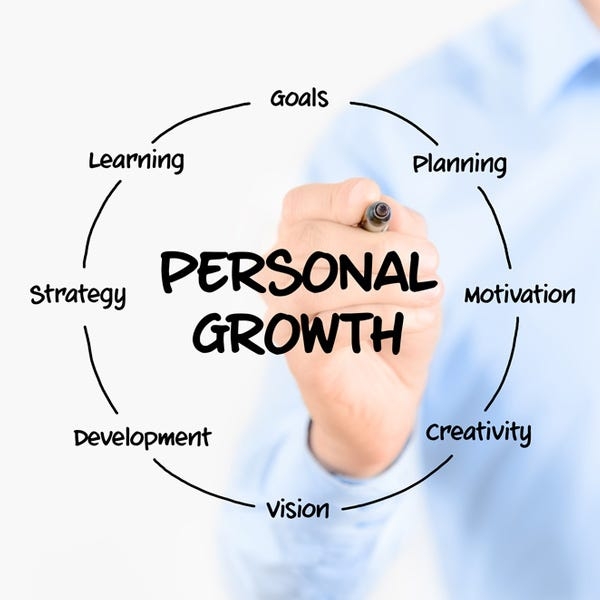
Personal development is not a single action or a one-time decision—it is a continuous, intentional process of becoming more self-aware, capable, and aligned with your values. While personal growth looks different for everyone, most successful self-improvement journeys follow a similar underlying structure. Understanding the steps of personal development helps you approach growth systematically rather than randomly, increasing the likelihood of lasting change.
This article outlines the key steps of personal development and explains how each stage contributes to meaningful, sustainable growth.
Step 1: Self-Awareness
Self-awareness is the foundation of all personal development. Without understanding who you are, how you think, and why you behave the way you do, it is impossible to improve effectively.
Self-awareness involves:
-
Recognizing your emotions and triggers
-
Understanding your strengths and weaknesses
-
Identifying core values and beliefs
-
Observing habits and patterns
Practical ways to build self-awareness include journaling, meditation, reflection, and asking for honest feedback. This step creates clarity about what needs to change and what should be strengthened.
Step 2: Clarifying Your Vision
Once you understand yourself better, the next step is to define what you want your life to look like. This vision acts as a guiding compass.
Ask yourself:
-
What kind of person do I want to become?
-
How do I want to think and feel most days?
-
What does success mean to me?
-
What areas of life matter most right now?
Your vision does not need to be perfect or permanent. It simply provides direction for your growth.
Step 3: Setting Meaningful Goals
Goals translate your vision into specific outcomes. Effective personal development goals focus on both skills and identity.
Good goals are:
-
Clear and specific
-
Aligned with your values
-
Realistic and achievable
-
Focused on growth, not perfection
For example, instead of “be more confident,” a better goal might be “practice speaking up in meetings at least once per week.”
Step 4: Creating a Plan
A goal without a plan is just a wish. This step involves deciding how you will work toward your goals.
A simple plan includes:
-
Action steps
-
Resources needed
-
Timeframes
-
Tracking methods
Planning removes ambiguity and makes progress more manageable.
Step 5: Taking Consistent Action
Personal development happens through repeated action, not occasional bursts of motivation.
Key principles:
-
Start small
-
Focus on habits
-
Show up even when you don’t feel motivated
-
Prioritize consistency over intensity
Small actions performed daily compound into major change over time.
Step 6: Developing Discipline
Discipline is the ability to follow through even when it’s uncomfortable. It bridges the gap between intention and results.
Ways to strengthen discipline:
-
Create routines
-
Reduce distractions
-
Set clear priorities
-
Use reminders and tracking tools
Discipline turns goals into reality.
Step 7: Learning and Skill Building
Personal development requires continuous learning.
This includes:
-
Reading books and articles
-
Taking courses
-
Practicing new skills
-
Seeking mentorship
The goal is not to know everything but to remain open and curious.
Step 8: Managing Mindset and Emotions
Your mindset influences how you interpret experiences and respond to challenges.
Important elements:
-
Growth mindset
-
Emotional regulation
-
Positive but realistic thinking
-
Self-compassion
Developing a healthy mindset allows you to handle setbacks without giving up.
Step 9: Tracking Progress
Tracking helps you see improvement and stay motivated.
You can track:
-
Habits
-
Milestones
-
Time spent practicing
-
Personal reflections
What gets measured gets managed.
Step 10: Reviewing and Adjusting
Personal development is not linear. You will need to adjust your approach as circumstances change.
Regular reviews help you:
-
Identify what’s working
-
Modify ineffective strategies
-
Update goals
Flexibility is part of growth.
Step 11: Building Support Systems
Growth is easier with support.
Support may include:
-
Friends or family
-
Mentors or coaches
-
Communities or groups
Positive environments reinforce positive change.
Step 12: Maintaining Long-Term Commitment
Personal development is a lifelong journey, not a short project.
Sustainability comes from:
-
Patience
-
Realistic expectations
-
Enjoying the process
Long-term commitment turns improvement into identity.
Final Thoughts
The steps of personal development form a continuous cycle: self-awareness leads to clarity, clarity leads to goals, goals lead to action, and action leads to growth. There is no final destination—only ongoing refinement.
By following these steps with consistency and intention, you build a strong foundation for personal growth that supports success, resilience, and fulfillment throughout your life.
- Arts
- Business
- Computers
- Παιχνίδια
- Health
- Κεντρική Σελίδα
- Kids and Teens
- Money
- News
- Personal Development
- Recreation
- Regional
- Reference
- Science
- Shopping
- Society
- Sports
- Бизнес
- Деньги
- Дом
- Досуг
- Здоровье
- Игры
- Искусство
- Источники информации
- Компьютеры
- Личное развитие
- Наука
- Новости и СМИ
- Общество
- Покупки
- Спорт
- Страны и регионы
- World

 English
 Russian
 French
 Spanish
 Portuguese
 Deutsch
 Turkish
 Dutch
Dutch
 Italiano
 Arabic
 Romaian
 Portuguese (Brazil)
