
How do I develop a growth mindset?
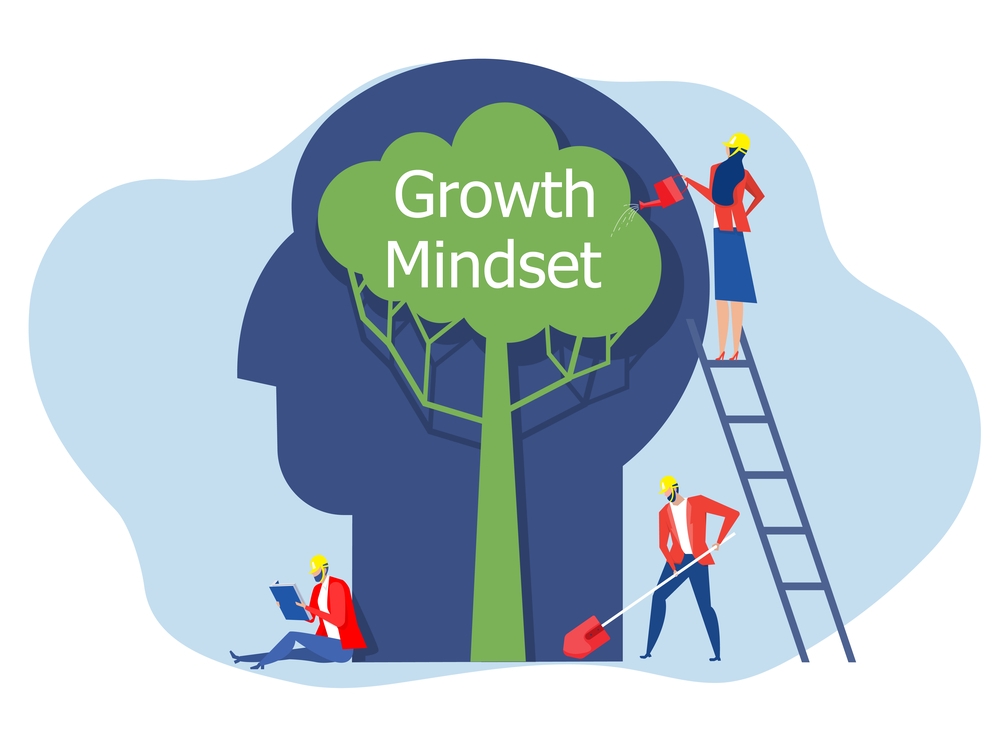
Developing a growth mindset is one of the most powerful shifts you can make for long-term personal development. A growth mindset is the belief that abilities, intelligence, and skills can be developed through effort, learning, and persistence. Instead of seeing talent as something fixed, you view challenges as opportunities to grow and failure as feedback rather than proof of inadequacy.
This concept, popularized by psychologist Carol Dweck, has transformed how people approach learning, performance, and self-improvement. In this article, you will learn what a growth mindset is, why it matters, and practical steps you can take to develop one in your daily life.
What Is a Growth Mindset?
A growth mindset is the belief that your potential is not predetermined. You can improve through practice, strategies, and support. This contrasts with a fixed mindset, which assumes that abilities are static—you either have them or you don’t.
People with a growth mindset tend to:
-
Embrace challenges
-
Persist through difficulties
-
Learn from criticism
-
Find inspiration in others’ success
-
Focus on progress rather than perfection
This mindset creates a foundation for continuous improvement.
Why a Growth Mindset Matters
Your mindset shapes how you interpret experiences. Two people can face the same obstacle and respond completely differently based on their beliefs.
A growth mindset helps you:
-
Learn faster and more effectively
-
Build resilience
-
Take healthy risks
-
Improve confidence
-
Maintain motivation
Instead of asking, “Am I good at this?” you begin asking, “How can I get better at this?”
Step 1: Become Aware of Your Current Mindset
The first step is noticing your internal dialogue. Pay attention to how you talk to yourself when you struggle.
Fixed mindset thoughts often sound like:
-
“I’m just not good at this.”
-
“I always mess things up.”
-
“If I fail, it means I’m not capable.”
Growth mindset alternatives:
-
“I can improve with practice.”
-
“This is difficult, but I can learn.”
-
“Mistakes help me grow.”
Awareness creates choice.
Step 2: Reframe Challenges as Opportunities
Instead of viewing challenges as threats, see them as training grounds.
When you encounter difficulty:
-
Ask what skill is being tested
-
Identify what you can learn
-
Focus on effort rather than outcome
Every challenge contains a lesson if you look for it.
Step 3: Change How You View Failure
Failure is not the opposite of success—it is part of it.
Develop a healthier relationship with failure by:
-
Analyzing what went wrong
-
Identifying what you would do differently next time
-
Separating mistakes from self-worth
Failure becomes feedback.
Step 4: Focus on the Process, Not Just Results
A growth mindset values progress and learning over immediate success.
Instead of obsessing over results:
-
Track effort and consistency
-
Celebrate small improvements
-
Recognize skills gained along the way
This keeps you motivated even when progress is slow.
Step 5: Use the Power of “Yet”
Adding the word “yet” to negative statements changes their meaning.
Instead of:
-
“I can’t do this.”
Say:
-
“I can’t do this yet.”
This simple shift reinforces the idea that ability is developable.
Step 6: Seek Feedback and Use It Constructively
People with a growth mindset view feedback as valuable information.
When receiving feedback:
-
Listen without becoming defensive
-
Look for patterns
-
Decide how to apply suggestions
Feedback accelerates growth.
Step 7: Surround Yourself With Growth-Oriented People
Mindset is influenced by environment.
Spend time with people who:
-
Value learning
-
Encourage improvement
-
Share constructive perspectives
Positive environments reinforce positive beliefs.
Step 8: Build Learning Habits
Consistent learning strengthens a growth mindset.
Examples:
-
Reading regularly
-
Practicing new skills
-
Reflecting on experiences
-
Taking courses or tutorials
Learning becomes part of your identity.
Step 9: Practice Self-Compassion
Growth does not require harsh self-criticism. Be patient with yourself.
Self-compassion involves:
-
Acknowledging effort
-
Accepting imperfections
-
Treating yourself with kindness
You can hold high standards without being cruel to yourself.
Step 10: Reinforce Growth Through Daily Reflection
Short daily reflection helps cement a growth mindset.
Ask:
-
What did I learn today?
-
Where did I push myself?
-
What can I improve tomorrow?
Small reflections create big shifts.
Common Mistakes to Avoid
-
Expecting instant transformation
-
Avoiding challenges
-
Comparing yourself to others
-
Quitting after setbacks
Growth mindset is a practice, not a switch.
Final Thoughts
Developing a growth mindset means choosing progress over perfection and learning over comfort. It transforms obstacles into opportunities and effort into empowerment.
You don’t develop a growth mindset overnight. You build it gradually through awareness, consistent practice, and intentional thinking. Over time, this mindset reshapes how you approach challenges, goals, and yourself—creating a powerful foundation for lifelong personal development.
- Arts
- Business
- Computers
- Giochi
- Health
- Home
- Kids and Teens
- Money
- News
- Personal Development
- Recreation
- Regional
- Reference
- Science
- Shopping
- Society
- Sports
- Бизнес
- Деньги
- Дом
- Досуг
- Здоровье
- Игры
- Искусство
- Источники информации
- Компьютеры
- Личное развитие
- Наука
- Новости и СМИ
- Общество
- Покупки
- Спорт
- Страны и регионы
- World

 English
 Russian
 French
 Spanish
 Portuguese
 Deutsch
 Turkish
 Dutch
Dutch
 Arabic
 Romaian
 Portuguese (Brazil)
 Greek
Greek