
Has Brexit Harmed the UK?
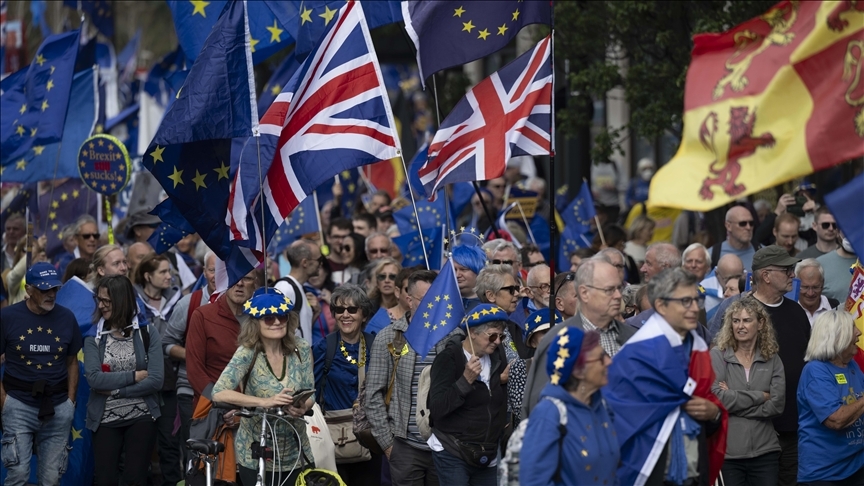
Has Brexit Harmed the UK?
On January 31, 2020, the United Kingdom formally left the European Union, ending a 47-year period of membership in a political and economic union of 27 countries. Brexit—short for British exit—was the culmination of decades of debate about sovereignty, immigration, and economic policy. Since then, scholars, policymakers, and citizens have grappled with one central question: Has Brexit harmed the UK? The answer is nuanced, involving measurable economic effects, political and social consequences, and long-term uncertainties.
Why Brexit Happened
In a 2016 referendum, 52% of UK voters chose to leave the EU. Key motivations included:
-
Sovereignty: Many voters felt EU membership limited Britain’s ability to make its own laws.
-
Immigration control: Leaving the EU meant ending free movement of people from EU countries.
-
Economic independence: Supporters argued the UK could strike its own trade deals and tailor regulations to its needs.
Brexit was therefore as much political and cultural as economic. But the consequences—especially economic—have been central to debates about whether it has harmed the UK.
Economic Impacts: A Mixed but Mostly Negative Picture
1. GDP Growth and Trade
One of the clearest measures of economic performance is GDP (Gross Domestic Product) growth. Many independent economic institutions, including the UK’s Office for Budget Responsibility and the Bank of England, have found that:
-
UK economic growth since 2016 has been slower than expected compared with other advanced economies.
-
Brexit has been a drag on economic output, partly because of reduced trade flows. Businesses face new paperwork, border checks, and regulatory divergence from the EU—the UK’s largest trading partner.
For example, British exports to the EU have tended to grow more slowly than exports to the rest of the world, undermining the idea that global trade deals would quickly compensate for lost ease of access to the Single Market.
2. Foreign Investment
Foreign direct investment (FDI)—money from overseas companies building factories, offices, or research centers—is vital for jobs and innovation. Brexit has introduced uncertainty about market access, leading some firms to:
-
Delay investment decisions
-
Shift parts of their operations to EU countries
While the UK still attracts significant FDI, the pace and scale are seen by many economists as reduced compared with the pre-Brexit era.
3. Labor Market and Migration
One of the clearest changes has been in migration patterns. Ending free movement of EU citizens has:
-
Reduced the number of EU workers in the UK, especially in sectors like health care, agriculture, and hospitality
-
Increased labor shortages and wage pressures in some industries
Supporters of Brexit argue this reduces pressure on public services and housing; critics point out that skilled and unskilled labor shortages can raise costs for businesses and consumers.
4. Inflation and Cost of Living
Brexit itself isn’t the sole cause of rising prices, but it has contributed to:
-
Higher trade costs, which can feed into consumer prices
-
Currency depreciation, especially in the immediate aftermath of the 2016 vote, making imports more expensive
Combined with other global factors (like the COVID-19 pandemic and energy price shocks), Brexit has been one of several influences on the UK’s cost-of-living challenges in recent years.
Political and Institutional Consequences
Economic metrics are only part of the picture. Brexit has reshaped UK politics and institutions.
1. UK Unity and Regional Tension
Brexit has intensified debates over the future of the United Kingdom itself:
-
Scotland: A majority in Scotland voted to remain in the EU, fueling renewed calls for Scottish independence.
-
Northern Ireland: The Northern Ireland Protocol, designed to avoid a hard border with the Republic of Ireland, has created regulatory differences between Northern Ireland and the rest of the UK, sparking political controversy.
These dynamics reveal that Brexit has not resolved constitutional questions but rather reopened them.
2. Governance and Regulation
Brexit restored certain powers to the UK Parliament and government, allowing:
-
Independent regulatory standards
-
New immigration policies
-
Tailored trade agreements
However, this devolved power has also introduced complexity. For example, divergence in rules between the UK and EU can benefit some industries while adding burdens to others, especially those integrated with European supply chains.
3. Public Trust and Political Polarization
The Brexit process highlighted deep regional and demographic divides in the UK. While some citizens felt empowered by reclaiming national control, others felt their economic interests were overlooked. This polarization persists in public discourse and electoral politics, complicating consensus on national strategy.
Social and Cultural Effects
Brexit’s impact isn’t purely economic or political—it also affects society.
1. Identity and National Narrative
Brexit affirmed a vision of British identity rooted in self-determination. For many, this has strengthened a sense of national purpose. But for others, it has intensified feelings of exclusion or frustration, especially among communities that valued European integration.
2. Mobility and Opportunity
Leaving the EU changed how UK citizens live, work, and study abroad:
-
Free movement rights ended, complicating travel and long-term stays in EU countries
-
Participation in EU programs like Erasmus (for student exchanges) changed, though some UK initiatives aim to replace them
These shifts affect education and cultural exchange opportunities for young people.
Long-Term Outlook: Uncertainty and Opportunity
Assessing whether Brexit has harmed the UK depends on time horizon and criteria used.
Economic Recovery and New Opportunities
Some potential positives include:
-
Ability to sign trade deals with non-EU countries (e.g., deals with Pacific nations)
-
Policy flexibility on immigration and regulation
-
Incentives for domestic industries like technology and life sciences
However, seizing these opportunities requires sustained investment and clear strategy—neither of which automatically stem from Brexit itself.
Structural Challenges
Many economic challenges facing the UK—like productivity stagnation, regional inequality, and demographic shifts—existed before Brexit. Brexit may compound or interact with them, but it isn’t the sole cause of these systemic issues.
Global Context
Brexit occurred alongside major global events:
-
COVID-19 pandemic
-
Global supply chain disruptions
-
Russia’s invasion of Ukraine
These have all influenced the UK economy and public finances, making it harder to isolate Brexit’s effects from other shocks.
So, Has Brexit Harmed the UK?
In short:
-
Economically, most independent analyses find Brexit has weighed on UK growth, trade, and investment relative to what would likely have occurred with continued EU membership.
-
Politically, Brexit has reaffirmed national sovereignty but heightened regional tensions and complex governance challenges.
-
Socially, it has reshaped mobility and identity debates, with mixed impacts on different communities.
Whether Brexit ultimately harms or benefits the UK will depend on future policies, global economic conditions, and how well the country leverages its newfound policy independence. For now, the evidence leans toward net harm in economic terms, especially in the short to medium run, balanced by non-economic gains valued by many Brexit supporters.
Key Takeaways
-
Brexit has not delivered immediate large-scale economic benefits and may have constrained growth.
-
The UK now has greater control over laws and borders, a core goal for many voters.
-
Regional unity and political consensus remain volatile, with ongoing implications for British politics.
-
Long-term outcomes will depend on strategic choices, not Brexit alone.
- Arts
- Business
- Computers
- Oyunlar
- Health
- Home
- Kids and Teens
- Money
- News
- Personal Development
- Recreation
- Regional
- Reference
- Science
- Shopping
- Society
- Sports
- Бизнес
- Деньги
- Дом
- Досуг
- Здоровье
- Игры
- Искусство
- Источники информации
- Компьютеры
- Личное развитие
- Наука
- Новости и СМИ
- Общество
- Покупки
- Спорт
- Страны и регионы
- World

 English
 Russian
 French
 Spanish
 Portuguese
 Deutsch
 Dutch
Dutch
 Italiano
 Arabic
 Romaian
 Portuguese (Brazil)
 Greek
Greek
