
How do I overcome procrastination?
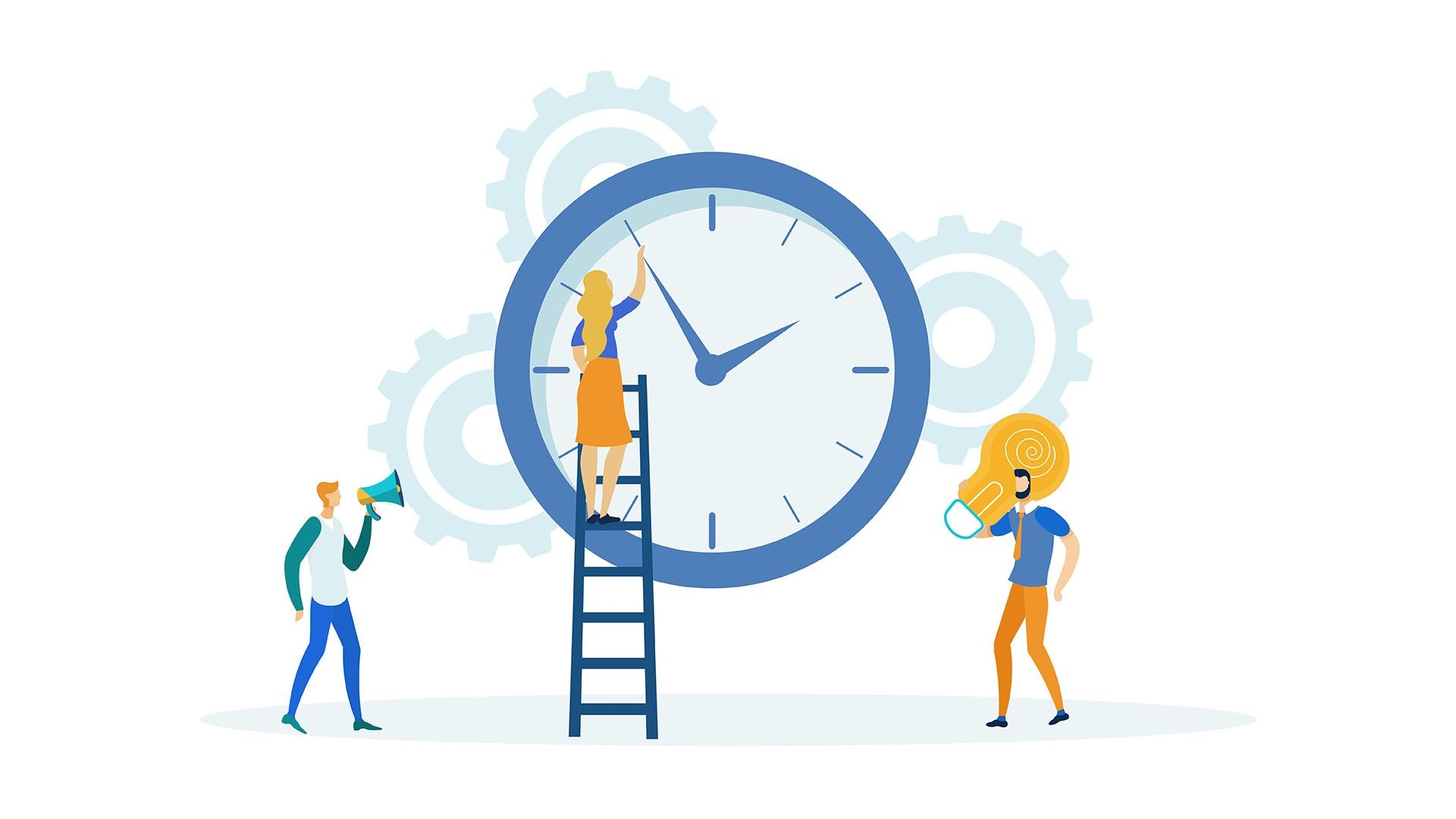
How Do I Overcome Procrastination?
Procrastination is the habit of delaying tasks even when we know that postponing them will lead to stress, poorer performance, or missed opportunities. Nearly everyone struggles with procrastination at some point, but when it becomes a pattern, it can seriously limit personal growth, productivity, and confidence.
Overcoming procrastination is not about becoming perfect or forcing constant motivation. It is about understanding why you delay, building better systems, and learning how to take action even when you do not feel like it.
This article explores the root causes of procrastination and practical strategies to help you break the cycle and start taking consistent action.
Understanding Why We Procrastinate
Procrastination is often misunderstood as laziness. In reality, it is usually driven by emotional and psychological factors.
Common reasons include:
-
Fear of failure or success
-
Perfectionism
-
Feeling overwhelmed
-
Low energy or burnout
-
Lack of clarity
-
Boredom or lack of interest
When a task triggers discomfort, your brain seeks short-term relief by avoiding it. Recognizing this pattern is the first step toward change.
Get Clear on What Needs to Be Done
Vague tasks create resistance.
Break Tasks into Small Steps
Instead of “write report,” try:
-
Open document
-
Create outline
-
Write introduction
-
Add first section
Smaller steps feel manageable and reduce mental friction.
Define Success Clearly
Know what “done” looks like. Clear outcomes reduce overthinking.
Use the Two-Minute Rule
If a task takes less than two minutes, do it immediately.
For larger tasks, commit to working for just two minutes. Starting is often the hardest part. Once momentum begins, continuing becomes easier.
Reduce Perfectionism
Perfectionism often leads to paralysis.
-
Aim for progress, not perfection
-
Allow rough drafts
-
Treat early versions as experiments
Finished work beats perfect but unfinished work.
Create a Supportive Environment
Your surroundings strongly influence behavior.
-
Remove distractions (phone, social media, TV)
-
Use website blockers
-
Keep your workspace clean and simple
Design your environment to make focus easier.
Schedule Tasks, Don’t Just List Them
To-do lists can feel overwhelming.
Instead, assign tasks to specific time blocks:
-
9:00–10:00 → Study
-
10:30–11:00 → Email
-
2:00–3:00 → Project work
Scheduling turns intention into commitment.
Work with Your Energy Levels
Pay attention to when you feel most alert.
-
Do demanding tasks during high-energy periods
-
Save easy tasks for low-energy times
Working with your natural rhythm reduces resistance.
Address Emotional Resistance
Procrastination is often an emotional response.
Ask Yourself:
-
What am I afraid of?
-
What feels uncomfortable about this task?
-
What’s the smallest step I can take?
Acknowledging emotions weakens their control.
Use Positive Self-Talk
Replace self-criticism with supportive language:
-
“I can start small.”
-
“Progress matters.”
-
“I don’t need to feel ready to begin.”
Your inner dialogue shapes your actions.
Build Consistent Routines
Routines reduce decision-making.
-
Morning focus block
-
Daily planning session
-
Evening review
Consistency builds momentum over time.
Use Accountability
External support increases follow-through.
-
Share goals with someone
-
Use productivity apps
-
Join study or focus groups
Knowing others are aware of your goals can motivate action.
Reward Progress
Celebrate effort, not just outcomes.
Small rewards reinforce positive behavior and make work feel more satisfying.
Learn from Setbacks
Instead of judging yourself, ask:
-
What caused the delay?
-
What can I change next time?
Every setback contains useful information.
Practice Self-Compassion
Harsh self-judgment fuels avoidance.
Treat yourself with the same patience you would offer a friend. Progress grows faster in a supportive mindset.
Conclusion
Overcoming procrastination is not about eliminating it entirely—it is about reducing its power. By breaking tasks into small steps, managing your environment, addressing emotional resistance, and building consistent routines, you can gradually replace procrastination with purposeful action.
The goal is not perfection. The goal is steady progress.
- Arts
- Business
- Computers
- الألعاب
- Health
- الرئيسية
- Kids and Teens
- مال
- News
- Personal Development
- Recreation
- Regional
- Reference
- Science
- Shopping
- Society
- Sports
- Бизнес
- Деньги
- Дом
- Досуг
- Здоровье
- Игры
- Искусство
- Источники информации
- Компьютеры
- Личное развитие
- Наука
- Новости и СМИ
- Общество
- Покупки
- Спорт
- Страны и регионы
- World

 English
 Russian
 French
 Spanish
 Portuguese
 Deutsch
 Turkish
 Dutch
Dutch
 Italiano
 Romaian
 Portuguese (Brazil)
 Greek
Greek
