
How Does Capitalism Affect Innovation?
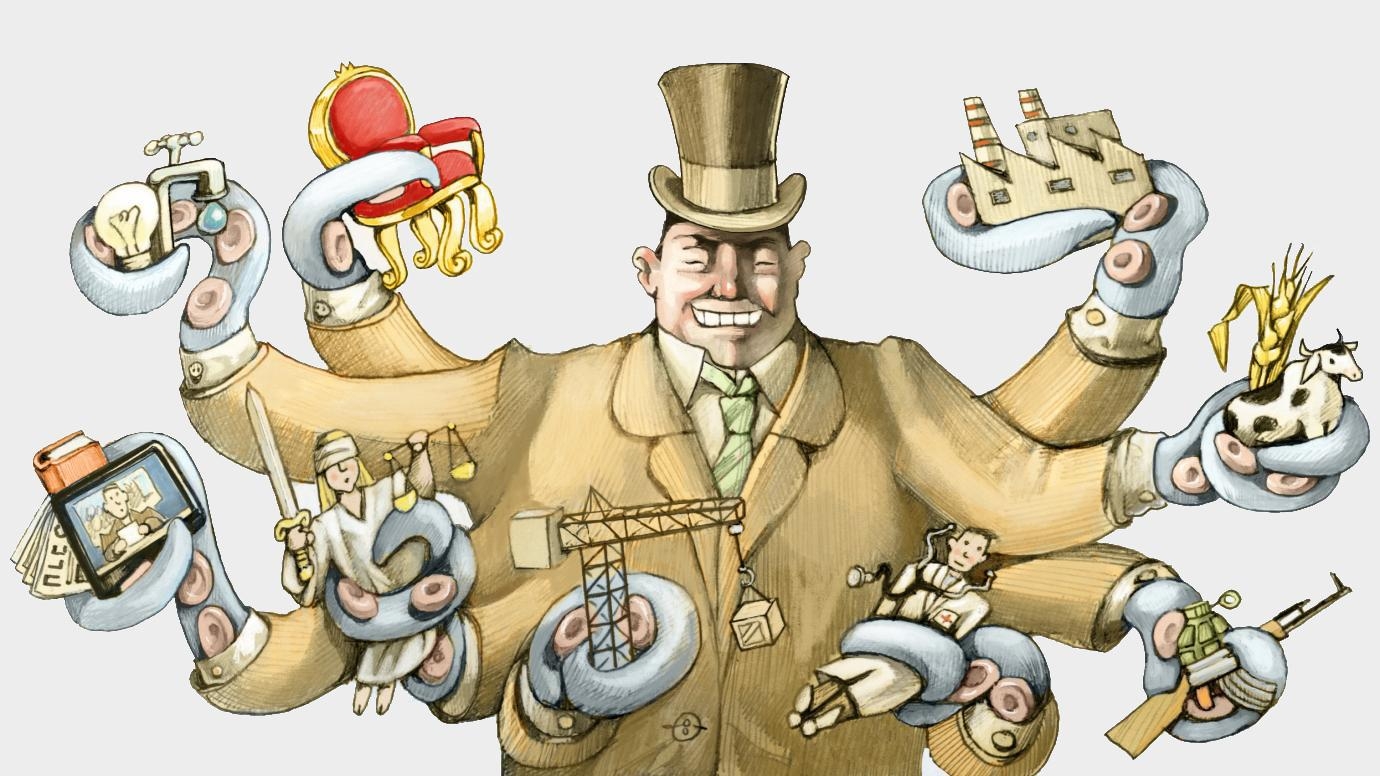
How Does Capitalism Affect Innovation?
Innovation—the creation of new ideas, technologies, and ways of doing things—is one of the main forces behind economic and social progress. From smartphones and vaccines to renewable energy and artificial intelligence, innovation shapes how people live and work. A common argument is that capitalism, an economic system based on private ownership and market competition, plays a major role in encouraging innovation. However, the relationship between capitalism and innovation is complex. Capitalism can strongly promote creativity and technological progress, but it can also create barriers and distort incentives. Understanding both sides helps explain how innovation really develops in modern economies.
At its core, capitalism rewards individuals and companies that create products or services people are willing to buy. This profit motive is one of the strongest drivers of innovation. When a business invents a better tool, faster software, or cheaper production method, it can gain a competitive advantage and increase its profits. As a result, companies constantly search for new ideas in order to survive and grow. This pressure to compete pushes firms to invest in research, design, and new technologies.
Competition itself is another important feature of capitalism that supports innovation. In competitive markets, businesses cannot rely on old products forever. If they fail to improve, customers may switch to rivals that offer something better, cheaper, or more convenient. This environment encourages continuous improvement. Many technological breakthroughs—from faster processors to more efficient manufacturing systems—are not created just for curiosity, but because companies are racing against competitors.
Capitalism also makes it easier to turn new ideas into real products. Entrepreneurs can start businesses, attract investors, and test their ideas in the market. Venture capital and private investment play a major role in funding risky and experimental projects, especially in areas such as technology and biotechnology. Investors accept uncertainty in exchange for the possibility of high returns. Without such financial support, many startups and inventions would struggle to move from concept to reality.
In addition, capitalism encourages specialization and collaboration across industries. Firms often focus on what they do best and rely on other businesses for components, services, or expertise. This interconnected system allows innovations to spread more quickly. For example, advances in computer hardware can support progress in artificial intelligence, medicine, and engineering at the same time. The market creates networks where new ideas can combine and grow.
However, capitalism does not automatically guarantee socially useful or fair innovation. One major limitation is that innovation tends to focus on what is profitable rather than what is most needed. Problems that affect large numbers of people with limited purchasing power—such as neglected diseases or basic infrastructure in poorer regions—often receive less attention. Companies may avoid investing in solutions that would improve lives but offer low financial returns. As a result, some important social and environmental challenges remain underfunded.
Another concern is that capitalism can encourage short-term thinking. Public companies, in particular, are often under pressure to show quick financial results. This can reduce their willingness to invest in long-term and uncertain research projects, even when those projects could lead to major breakthroughs in the future. Deep scientific innovation usually takes time, patience, and sustained funding. When profit expectations dominate decision-making, firms may favor small, incremental improvements instead of riskier but more transformative ideas.
Capitalism can also create powerful monopolies or dominant firms. When a company becomes extremely successful, it may gain so much market power that competition weakens. In such situations, the incentive to innovate can decrease. A dominant firm might prefer to protect its existing products and profits rather than invest in technologies that could disrupt its own business model. In some cases, large companies buy smaller innovative startups not to develop their ideas further, but to eliminate potential competitors.
Intellectual property laws, such as patents, illustrate another tension between capitalism and innovation. Patents are designed to protect inventors and allow them to earn money from their work. This protection can encourage people and companies to invest in research, since they know their ideas cannot be copied immediately. At the same time, strong patent systems can slow down the spread of knowledge and limit follow-up innovation. When access to technologies or data is restricted, other researchers and firms may struggle to build upon existing discoveries.
The influence of capitalism on innovation also depends heavily on government policy and public institutions. Many of the technologies that later became successful commercial products were originally supported by public funding. Examples include the internet, GPS, and major medical research. These innovations were developed in environments where profit was not the main goal. Capitalism later helped turn these public discoveries into widely available products, but it did not create them alone. This shows that innovation often results from a partnership between public investment and private enterprise.
Another important issue is inequality. Capitalism can concentrate wealth and opportunities in the hands of a relatively small group. When access to high-quality education, technology, and funding is limited to certain people or regions, many potential innovators are excluded. This reduces the overall pool of ideas and talent. A system that only allows some individuals to participate fully in innovation may miss valuable perspectives and solutions.
Despite these problems, capitalism remains one of the most effective systems for rapidly scaling and distributing new technologies. Once a product or service proves successful, markets and global supply chains can spread it quickly and efficiently. Innovation does not only involve invention; it also includes improving, adapting, and delivering ideas to large numbers of users. Capitalist systems are particularly strong at this stage of innovation.
In reality, innovation thrives best in a mixed environment. Capitalism provides strong incentives, competition, and financial support that help ideas reach the market. At the same time, public research institutions, regulation, and social policies help correct the weaknesses of profit-driven innovation. Governments can support long-term research, protect competition, and encourage innovation in areas that markets alone might ignore.
In conclusion, capitalism has a powerful and visible influence on innovation. It encourages creativity through competition, rewards successful ideas, and helps turn inventions into practical products. However, it also shapes innovation in ways that reflect market priorities rather than social needs. Short-term profit pressures, unequal access to resources, and reduced competition can limit the quality and direction of innovation. Capitalism is therefore not a guarantee of progress by itself. It is a tool—one that works best when combined with strong public institutions and policies that ensure innovation serves both economic growth and broader human well-being.
- Arts
- Business
- Computers
- الألعاب
- Health
- الرئيسية
- Kids and Teens
- مال
- News
- Personal Development
- Recreation
- Regional
- Reference
- Science
- Shopping
- Society
- Sports
- Бизнес
- Деньги
- Дом
- Досуг
- Здоровье
- Игры
- Искусство
- Источники информации
- Компьютеры
- Личное развитие
- Наука
- Новости и СМИ
- Общество
- Покупки
- Спорт
- Страны и регионы
- World

 English
 Russian
 French
 Spanish
 Portuguese
 Deutsch
 Turkish
 Dutch
Dutch
 Italiano
 Romaian
 Portuguese (Brazil)
 Greek
Greek
