
What Is Dynamic Retargeting? A Complete Guide to Personalized Ads and Automated Conversions
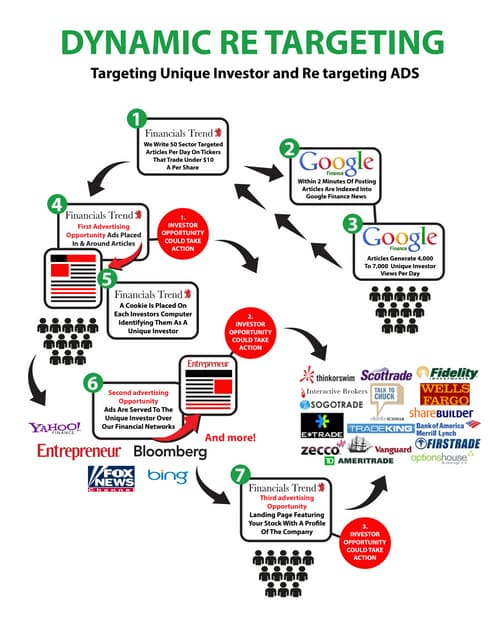
Dynamic retargeting is one of the most powerful forms of digital advertising in modern marketing. Instead of showing generic ads to past visitors, it automatically displays personalized ads featuring the exact products, services, or content a user previously viewed.
In 2026, platforms such as Google Ads, Meta Platforms, Inc., and Facebook rely heavily on dynamic retargeting to help advertisers improve relevance, increase conversions, and maximize return on ad spend.
This article explains what dynamic retargeting is, how it works, why it is effective, and how businesses can use it successfully.
Understanding Dynamic Retargeting
Definition of Dynamic Retargeting
Dynamic retargeting is an advertising strategy that shows personalized ads to users based on their previous interactions with your website, app, or product catalog.
Instead of showing the same ad to everyone, dynamic retargeting adapts content automatically for each individual user.
These ads may include:
-
Previously viewed products
-
Similar or related items
-
Updated prices
-
Availability status
-
Personalized recommendations
The result is highly relevant advertising.
How Dynamic Retargeting Differs from Standard Retargeting
Traditional retargeting shows general brand ads to past visitors.
Dynamic retargeting shows:
“The exact product you looked at yesterday, at today’s price, in real time.”
| Feature | Standard Retargeting | Dynamic Retargeting |
|---|---|---|
| Personalization | Low | Very High |
| Automation | Limited | Full |
| Relevance | Medium | High |
| Conversion Rate | Moderate | Strong |
Dynamic retargeting takes personalization to the next level.
How Dynamic Retargeting Works
Dynamic retargeting operates through a combination of tracking, data feeds, and automation.
Step 1: User Interaction
A visitor browses your website or app and views:
-
Products
-
Services
-
Listings
-
Packages
Example: A user views a pair of running shoes.
Step 2: Pixel or SDK Tracking
A tracking pixel or SDK records:
-
Product ID
-
Page URL
-
Category
-
User behavior
This data is sent to the advertising platform.
Step 3: Product or Content Feed Integration
Advertisers upload a feed containing:
-
Product names
-
Images
-
Prices
-
Descriptions
-
URLs
-
Availability
This feed connects website activity with ad creation.
Step 4: Audience Assignment
The platform assigns the user to an audience such as:
-
Viewed Product A
-
Viewed Category B
-
Abandoned Cart
-
Viewed Multiple Items
Each group receives different ads.
Step 5: Automated Ad Generation
When the user becomes eligible to see an ad, the platform:
-
Selects relevant products
-
Inserts images and prices
-
Builds ad layouts
-
Displays ads dynamically
All of this happens in milliseconds.
Step 6: Ad Delivery
Personalized ads appear on:
-
Social media feeds
-
Display networks
-
Video platforms
-
Mobile apps
The user sees content tailored to their behavior.
Key Components of Dynamic Retargeting
1. Tracking Technology
Dynamic retargeting relies on:
-
Website pixels
-
App SDKs
-
Server-side tracking
These tools collect behavioral data.
2. Product or Service Feed
The feed acts as the foundation of personalization.
It must include:
-
Accurate prices
-
High-quality images
-
Correct links
-
Updated stock levels
Poor feeds lead to poor results.
3. Creative Templates
Templates define how ads look.
They include:
-
Image placement
-
Price format
-
CTA buttons
-
Branding elements
The platform fills them dynamically.
4. Machine Learning Algorithms
AI determines:
-
Which product to show
-
When to show it
-
Where to show it
-
How often to show it
Optimization is automated.
Types of Dynamic Retargeting
Product-Based Dynamic Retargeting
Most common in e-commerce.
Shows exact products viewed.
Example: Clothing, electronics, accessories.
Travel and Hospitality Retargeting
Used by:
-
Airlines
-
Hotels
-
Booking platforms
Shows viewed flights or rooms.
Real Estate Retargeting
Displays:
-
Viewed properties
-
Similar listings
-
Price changes
Common in property portals.
Service-Based Dynamic Retargeting
Used for:
-
Insurance quotes
-
Software plans
-
Course packages
Personalizes service offers.
Content-Based Retargeting
Shows:
-
Related articles
-
Videos
-
Courses
Common in media platforms.
Why Dynamic Retargeting Is So Effective
1. High Relevance
Users see what they already care about.
This increases engagement.
2. Strong Purchase Intent
Dynamic retargeting targets warm audiences.
These users are closer to buying.
3. Reduced Decision Friction
Showing familiar products:
-
Reduces uncertainty
-
Builds confidence
-
Speeds decisions
4. Personalized User Experience
Users feel understood rather than targeted.
This improves brand perception.
5. Automation at Scale
Thousands of ads can be created automatically.
Manual work is minimized.
Benefits of Dynamic Retargeting
Increased Conversion Rates
Personalized ads convert better than generic ones.
Improved Return on Ad Spend (ROAS)
Better targeting leads to more revenue per dollar.
Higher Click-Through Rates
Relevant ads attract more clicks.
Reduced Wasted Spend
Ads are shown only to interested users.
Better Customer Journey Mapping
Dynamic ads support multi-stage funnels.
Challenges of Dynamic Retargeting
Technical Complexity
Setup requires:
-
Feed management
-
Pixel configuration
-
Platform integration
Beginners may struggle.
Data Accuracy Issues
Incorrect data causes:
-
Wrong prices
-
Broken links
-
Outdated images
This harms trust.
Privacy Regulations
Dynamic retargeting depends on user data.
Compliance is essential.
Feed Maintenance
Feeds must be updated constantly.
Neglect reduces performance.
Platform Dependence
Advertisers rely on third-party systems.
Policy changes affect campaigns.
How to Set Up Dynamic Retargeting
Step 1: Install Tracking Pixel
Place the platform’s pixel on all pages.
Ensure it tracks:
-
Product views
-
Cart actions
-
Purchases
Step 2: Create and Upload Feed
Build a structured feed with:
-
IDs
-
Images
-
Prices
-
Links
Upload to your ad platform.
Step 3: Connect Feed to Pixel
Match product IDs in your site with feed IDs.
Consistency is critical.
Step 4: Design Templates
Customize branding:
-
Colors
-
Fonts
-
Logos
-
CTAs
Ensure mobile compatibility.
Step 5: Build Audiences
Segment users into:
-
Viewers
-
Abandoners
-
Buyers
-
Repeat visitors
Step 6: Launch and Optimize
Monitor:
-
CTR
-
CPA
-
ROAS
-
Frequency
Optimize regularly.
Best Practices for Dynamic Retargeting
Segment Carefully
Do not treat all visitors equally.
Segment by intent.
Exclude Recent Buyers
Avoid showing ads to recent purchasers.
Prevents frustration.
Refresh Creatives
Rotate templates to prevent fatigue.
Use Smart Bidding
Allow AI to optimize bids.
Monitor Frequency
Avoid overexposure.
Maintain Feed Quality
Audit feeds weekly.
Test Product Groupings
Experiment with bundles and collections.
Industries That Benefit Most
E-Commerce
Primary user of dynamic retargeting.
Travel
Flight and hotel recovery campaigns.
Real Estate
Property remarketing.
Marketplaces
Multi-vendor personalization.
Subscription Services
Plan-based retargeting.
Dynamic Retargeting and the Customer Journey
Awareness Stage
Related product suggestions.
Consideration Stage
Comparison-based ads.
Conversion Stage
Abandoned cart recovery.
Retention Stage
Cross-sell and upsell.
Dynamic retargeting supports every stage.
Privacy and Compliance
Dynamic retargeting must follow:
-
Consent regulations
-
Data protection laws
-
Platform policies
Key practices include:
-
Cookie banners
-
Data minimization
-
Opt-out options
-
Secure storage
Compliance protects long-term performance.
Future of Dynamic Retargeting
By 2030, dynamic retargeting will rely more on:
-
First-party data
-
AI-generated creatives
-
Predictive recommendations
-
Contextual signals
-
Privacy-first identity systems
Personalization will continue, but with greater transparency.
Common Mistakes to Avoid
-
Poor feed structure
-
No segmentation
-
Over-targeting
-
Ignoring exclusions
-
Outdated creatives
-
Weak analytics
Avoiding these protects ROI.
Measuring Success
Key metrics include:
-
Conversion rate
-
ROAS
-
CTR
-
Cost per acquisition
-
Revenue per user
-
Frequency
Track holistically.
Conclusion
Dynamic retargeting is the most advanced form of personalized advertising available today. By combining behavioral data, automated feeds, and machine learning, it delivers highly relevant ads that reconnect users with products and services they already value.
When implemented correctly, dynamic retargeting increases conversions, improves customer experience, and maximizes advertising efficiency. In 2026 and beyond, it remains an essential strategy for any performance-focused digital marketer.
- Arts
- Business
- Computers
- Jeux
- Health
- Domicile
- Kids and Teens
- Argent
- News
- Personal Development
- Recreation
- Regional
- Reference
- Science
- Shopping
- Society
- Sports
- Бизнес
- Деньги
- Дом
- Досуг
- Здоровье
- Игры
- Искусство
- Источники информации
- Компьютеры
- Личное развитие
- Наука
- Новости и СМИ
- Общество
- Покупки
- Спорт
- Страны и регионы
- World

 English
 Russian
 Spanish
 Portuguese
 Deutsch
 Turkish
 Dutch
Dutch
 Italiano
 Arabic
 Romaian
 Portuguese (Brazil)
 Greek
Greek