
How do I manage my time better?
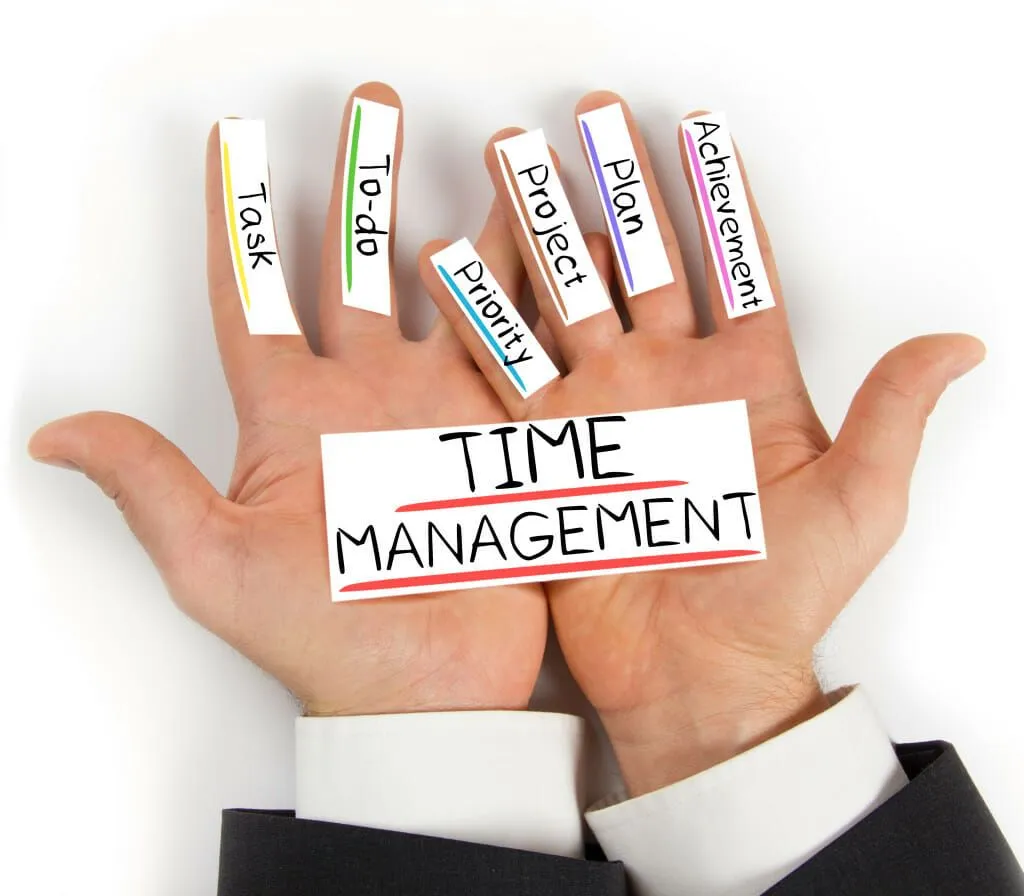
How Do I Manage My Time Better?
Time is one of the most valuable resources we have, yet it often feels like there’s never enough of it. Managing time effectively isn’t about squeezing every minute out of your day; it’s about prioritizing what matters, minimizing distractions, and creating a system that works for you. Here’s a structured guide to help you manage your time better.
1. Understand How You Currently Spend Your Time
Before making changes, you need to know where your time goes. Start by tracking your activities for a week. Note everything—work, commuting, social media, chores, meals, and relaxation. This will give you a clear picture of time leaks and opportunities for improvement.
2. Set Clear Goals
Time management is much easier when you know your priorities. Define your short-term and long-term goals. Use the SMART criteria:
-
Specific: Clearly define what you want to achieve.
-
Measurable: Track progress with quantifiable outcomes.
-
Achievable: Make sure your goals are realistic.
-
Relevant: Focus on goals that align with your bigger objectives.
-
Time-bound: Set deadlines to maintain momentum.
3. Prioritize Tasks Effectively
Not all tasks are created equal. Use the Eisenhower Matrix to categorize tasks:
-
Urgent & Important: Do these first.
-
Important but Not Urgent: Schedule them.
-
Urgent but Not Important: Delegate if possible.
-
Neither Urgent nor Important: Consider eliminating these.
This helps you focus on what truly contributes to your goals rather than just reacting to what seems urgent.
4. Plan Your Day Strategically
Planning is key to effective time management. Consider these techniques:
-
Time Blocking: Allocate specific blocks of time to tasks or activities.
-
The 2-Minute Rule: If a task takes less than 2 minutes, do it immediately.
-
Task Batching: Group similar tasks together to reduce context switching.
Using tools like planners, digital calendars, or apps like Todoist or Notion can make planning easier and more consistent.
5. Eliminate Distractions
Distractions are a major enemy of productivity. Identify what commonly interrupts your workflow—social media, notifications, noisy environments—and take steps to minimize them. Some strategies include:
-
Turning off non-essential notifications.
-
Setting “focus” periods without interruptions.
-
Using apps like Forest or Focus@Will to maintain concentration.
6. Learn to Say No
Overcommitting can derail your schedule. Saying yes to too many tasks or requests can leave you stressed and unproductive. Prioritize your commitments based on their alignment with your goals and don’t be afraid to decline or delegate tasks that don’t add value.
7. Review and Adjust Regularly
Effective time management is an ongoing process. At the end of each week, review what you accomplished and what could be improved. Adjust your strategies and plan for the upcoming week. Continuous evaluation helps you refine your methods and identify better ways to manage your time.
8. Take Care of Yourself
Time management isn’t just about productivity; it’s about balance. Ensure you:
-
Get adequate sleep.
-
Take regular breaks to recharge.
-
Schedule leisure and social activities to maintain overall well-being.
A well-rested, focused mind is more efficient and better at handling tasks.
Final Thoughts
Managing your time better requires self-awareness, planning, and discipline. By tracking your time, prioritizing effectively, minimizing distractions, and reviewing your progress regularly, you can reclaim control over your day. Remember, time management isn’t about doing more—it’s about doing what matters most efficiently and intentionally.
- Arts
- Business
- Computers
- Juegos
- Health
- Home
- Kids and Teens
- Money
- News
- Personal Development
- Recreation
- Regional
- Reference
- Science
- Shopping
- Society
- Sports
- Бизнес
- Деньги
- Дом
- Досуг
- Здоровье
- Игры
- Искусство
- Источники информации
- Компьютеры
- Личное развитие
- Наука
- Новости и СМИ
- Общество
- Покупки
- Спорт
- Страны и регионы
- World

 English
 Russian
 French
 Portuguese
 Deutsch
 Turkish
 Dutch
Dutch
 Italiano
 Arabic
 Romaian
 Portuguese (Brazil)
 Greek
Greek
