
What Is E-Commerce?
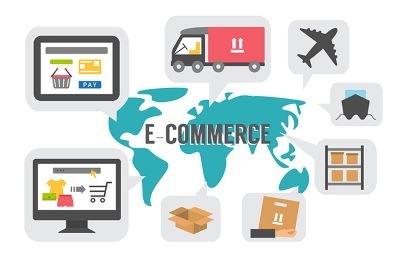
What Is E-Commerce?
E-commerce (short for electronic commerce) is the buying and selling of goods and services over the internet. Instead of visiting a physical store, customers use websites or mobile apps to browse products, place orders, and make payments digitally. For businesses, e-commerce provides a way to reach customers beyond local locations, often at a lower operating cost than traditional retail.
Today, e-commerce is one of the most important parts of the global economy. From clothing and electronics to digital subscriptions and online courses, millions of transactions happen every day without buyers and sellers ever meeting in person.
A Simple Definition
At its core, e-commerce is any commercial transaction completed online. This includes:
-
Discovering a product or service on a website or app
-
Placing an order through a digital shopping cart
-
Paying electronically
-
Receiving the product physically (delivery) or digitally (downloads, access, or streaming)
Whether someone orders food through a delivery app or a company purchases software licenses online, both actions are forms of e-commerce.
How E-Commerce Works
Although the user experience feels simple, a complete e-commerce transaction usually involves several steps behind the scenes:
-
Online storefront – A website or app displays products, prices, and descriptions.
-
Product selection – Customers add items to a virtual cart.
-
Checkout and payment – The system processes payment using a digital payment service.
-
Order processing – The seller confirms the order and prepares it for shipping or delivery.
-
Fulfillment and support – The product is delivered, and customer service handles returns or questions.
All of these steps are handled by software systems that manage inventory, payments, security, and customer data.
Main Types of E-Commerce
E-commerce is not limited to one kind of buyer and seller relationship. The most common types are:
1. Business-to-Consumer (B2C)
This is the model most people recognize. Businesses sell directly to individual customers through online stores. A well-known example is Amazon, which sells millions of products directly to shoppers.
2. Business-to-Business (B2B)
In this model, companies sell products or services to other companies. Examples include software providers, wholesale suppliers, and online marketplaces for industrial equipment.
3. Consumer-to-Consumer (C2C)
Individuals sell goods or services to other individuals using an online platform. A popular example of this model is eBay, where users can sell both new and used items.
4. Consumer-to-Business (C2B)
Here, individuals offer products or services to businesses. Freelancers, influencers, and content creators often operate under this model.
Popular E-Commerce Platforms and Services
Modern e-commerce depends heavily on specialized platforms and payment systems. Some of the most widely used examples include:
-
Shopify – A platform that allows businesses to build and manage their own online stores without needing advanced technical skills.
-
Alibaba Group – A major global company that connects businesses and consumers through multiple online marketplaces.
-
PayPal – A digital payment service that enables secure online transactions.
These companies support essential parts of e-commerce, such as store creation, order management, and secure online payments.
Key Features of E-Commerce
E-commerce differs from traditional retail in several important ways:
1. Convenience
Online stores are available 24 hours a day. Customers can shop from home, school, or work without needing to travel.
2. Global reach
A small business can sell to customers in other cities—or even other countries—without opening physical branches.
3. Digital payments
Credit cards, digital wallets, and online banking make it possible to complete transactions in seconds.
4. Personalization
E-commerce systems often recommend products based on browsing history, past purchases, and customer preferences.
5. Data and analytics
Online stores can track visitor behavior, product performance, and marketing results much more accurately than traditional shops.
Advantages of E-Commerce
E-commerce offers clear benefits for both customers and businesses.
For customers
-
Wider product choices
-
Easy price comparison
-
Fast access to reviews and product information
-
Home delivery and digital downloads
For businesses
-
Lower startup and operating costs than physical stores
-
Ability to test products quickly
-
Easier expansion into new markets
-
Automated inventory and order management
For many new entrepreneurs, launching an online store is now the most affordable way to start a business.
Challenges and Limitations
Despite its advantages, e-commerce also faces important challenges.
1. Trust and security
Customers must feel confident that their personal and payment information is protected. Data breaches and fraud can damage both businesses and consumer trust.
2. Delivery and logistics
Shipping delays, damaged items, and high delivery costs can affect customer satisfaction.
3. Competition
Because starting an online store is relatively easy, competition is intense. Businesses must invest in marketing, branding, and customer experience to stand out.
4. Lack of physical experience
Customers cannot touch, try on, or test products before purchasing. This often leads to higher return rates, especially in categories like fashion.
Mobile and Social E-Commerce
E-commerce is no longer limited to desktop websites. Many people now shop primarily on smartphones. Mobile-friendly apps, one-click payments, and digital wallets have made the buying process faster and simpler.
In addition, social media platforms increasingly allow users to discover and purchase products directly through posts, videos, and live streams. This blend of entertainment, content, and shopping is often called social commerce and is becoming an important growth area for online businesses.
The Role of Technology
Several technologies are shaping how e-commerce works today:
-
Artificial intelligence helps personalize recommendations and improve customer service through chatbots.
-
Cloud computing allows stores to scale quickly during high-traffic periods.
-
Automation tools handle inventory updates, order confirmations, and email communication.
-
Data analytics supports better pricing, marketing decisions, and product planning.
As these technologies improve, online shopping becomes faster, more personalized, and more reliable.
Why E-Commerce Matters
E-commerce has transformed how people buy and sell. It has lowered the barriers to starting a business, created new types of jobs, and allowed customers to access products that may not be available locally.
For students and young entrepreneurs, understanding e-commerce is especially important. Many modern careers—such as digital marketing, web development, data analysis, and online operations—are directly connected to the growth of online trade.
In Summary
E-commerce is the digital process of buying and selling products and services over the internet. It includes multiple business models, relies on online platforms and secure payment systems, and offers convenience and global reach that traditional retail cannot easily match.
While it brings challenges such as security concerns and intense competition, e-commerce continues to expand as technology improves and consumer habits change. In today’s digital economy, e-commerce is no longer just an alternative to traditional shopping—it is a central part of how the world does business.
- Arts
- Business
- Computers
- Jeux
- Health
- Domicile
- Kids and Teens
- Argent
- News
- Personal Development
- Recreation
- Regional
- Reference
- Science
- Shopping
- Society
- Sports
- Бизнес
- Деньги
- Дом
- Досуг
- Здоровье
- Игры
- Искусство
- Источники информации
- Компьютеры
- Личное развитие
- Наука
- Новости и СМИ
- Общество
- Покупки
- Спорт
- Страны и регионы
- World

 English
 Russian
 Spanish
 Portuguese
 Deutsch
 Turkish
 Dutch
Dutch
 Italiano
 Arabic
 Romaian
 Portuguese (Brazil)
 Greek
Greek