
How Do I Start an SEM Campaign? A Step-by-Step Guide to Launching Successful Search Ads
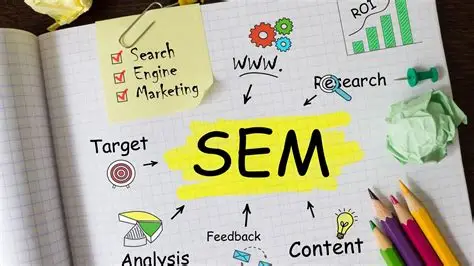
Starting a Search Engine Marketing (SEM) campaign can feel overwhelming, especially for beginners. With keyword research, bidding strategies, ad creation, and tracking systems, many businesses struggle to know where to begin.
However, when approached systematically, launching an SEM campaign becomes a clear and manageable process. Platforms like Google, Google Ads, and Microsoft Advertising provide powerful tools that allow even small businesses to compete effectively.
In this guide, you will learn how to start an SEM campaign from scratch, avoid common mistakes, and build a foundation for long-term success in 2026 and beyond.
Understanding What an SEM Campaign Is
Definition of an SEM Campaign
An SEM campaign is a structured set of paid search ads designed to promote specific products, services, or goals.
Each campaign includes:
-
Target keywords
-
Ad groups
-
Advertisements
-
Landing pages
-
Bidding strategies
-
Budgets
Together, these elements drive traffic and conversions.
Why Preparation Matters
Many failed SEM campaigns suffer from poor planning.
Without a clear strategy, advertisers often experience:
-
High costs
-
Low conversions
-
Poor quality traffic
-
Wasted budgets
A strong foundation prevents these problems.
Step 1: Define Your Business Goals
Before creating ads, clarify what you want to achieve.
Common SEM Goals
-
Increase website traffic
-
Generate leads
-
Drive online sales
-
Get phone calls
-
Promote local visits
Each goal requires a different setup.
Example Goals
| Business Type | Goal |
|---|---|
| E-commerce | Product sales |
| Local service | Phone calls |
| B2B company | Lead forms |
| SaaS | Trial sign-ups |
| Retail store | Store visits |
Your campaign structure should reflect your primary objective.
Step 2: Identify Your Target Audience
Understand Your Ideal Customer
Ask:
-
Who needs my product?
-
Where are they located?
-
What problems do they have?
-
How do they search?
Knowing this improves relevance.
Targeting Options
SEM platforms allow targeting by:
-
Location
-
Language
-
Device
-
Demographics
-
Interests
-
Past behavior
Start with basic targeting and refine later.
Step 3: Conduct Keyword Research
Why Keywords Matter
Keywords determine when your ads appear.
Poor keyword selection leads to wasted spend.
Good keywords connect you with buyers.
Types of Keywords
-
Informational – “What is cloud hosting”
-
Commercial – “Best cloud hosting”
-
Transactional – “Buy cloud hosting plan”
Prioritize transactional and commercial terms.
Keyword Research Tools
Use platform tools and third-party software to find:
-
Search volume
-
Competition
-
CPC estimates
-
Related queries
Balance cost and intent.
Build a Keyword List
Group keywords by theme.
Example:
Campaign: “Web Design”
Ad Group 1: “Small business web design”
Ad Group 2: “E-commerce web design”
Ad Group 3: “WordPress web design”
This improves ad relevance.
Step 4: Choose the Right SEM Platform
Major SEM Platforms
Most businesses start with:
-
Google Ads
-
Microsoft Advertising
Google offers higher volume.
Microsoft offers lower competition.
Many advertisers use both.
Platform Selection Criteria
Consider:
-
Target audience
-
Search volume
-
Budget
-
Industry competition
Start where your customers search most.
Step 5: Set Up Your Advertising Account
Account Creation
Register and verify your business.
Add:
-
Billing information
-
Time zone
-
Currency
-
Contact details
These settings affect reporting.
Connect Analytics Tools
Link your account to analytics platforms for accurate tracking.
This enables:
-
Conversion tracking
-
Behavior analysis
-
Funnel reporting
Data is critical for optimization.
Step 6: Structure Your Campaign Properly
Campaign Level
At the top level, define:
-
Budget
-
Location
-
Bidding strategy
-
Network targeting
Each campaign should focus on one major goal.
Ad Group Level
Ad groups contain:
-
Related keywords
-
Relevant ads
Example:
Campaign: “Plumbing Services”
Ad Group: “Emergency Plumbing”
This improves Quality Score.
Keyword Level
Add:
-
Match types
-
Negative keywords
-
Bid adjustments
Precision reduces waste.
Step 7: Write High-Converting Ad Copy
Elements of Effective SEM Ads
Strong ads include:
-
Relevant keywords
-
Clear value proposition
-
Benefits
-
Call to action
-
Trust signals
Example Ad Structure
Headline 1: Emergency Plumber 24/7
Headline 2: Fast Local Service
Description: Call Now for Same-Day Repairs. Licensed & Insured.
Best Practices
-
Match search intent
-
Use numbers and offers
-
Highlight guarantees
-
Include urgency
-
Test multiple versions
Always write at least two ads per group.
Step 8: Create Optimized Landing Pages
Why Landing Pages Matter
Your landing page determines whether visitors convert.
Poor pages waste clicks.
Essential Landing Page Features
-
Fast loading
-
Mobile-friendly design
-
Clear headline
-
Simple layout
-
Strong CTA
-
Trust elements
Message Match
Ensure the landing page matches the ad.
Example:
Ad: “Free SEO Audit”
Page: Must feature “Free SEO Audit” prominently.
Step 9: Set Bids and Budgets
Choosing a Bidding Strategy
Common options include:
-
Manual CPC
-
Maximize clicks
-
Target CPA
-
Target ROAS
Beginners often start with manual or maximize clicks.
Setting Your Budget
Start conservatively.
Example:
$10–$30 per day for testing.
Increase once profitable.
Bid Adjustments
Adjust bids based on:
-
Device
-
Location
-
Time
-
Audience
This improves efficiency.
Step 10: Install Conversion Tracking
What Is Conversion Tracking?
Conversion tracking measures:
-
Purchases
-
Form submissions
-
Calls
-
Downloads
Without it, optimization is impossible.
Tracking Methods
Install:
-
Platform tracking tags
-
Analytics goals
-
CRM integrations
Test before launch.
Step 11: Launch and Monitor Your Campaign
Soft Launch Approach
Start with limited budget.
Observe performance for 7–14 days.
Look for patterns.
Key Early Metrics
Monitor:
-
CTR
-
CPC
-
Conversion rate
-
CPA
-
Search terms
These indicate campaign health.
Step 12: Optimize Continuously
Keyword Optimization
-
Pause poor performers
-
Expand high-converters
-
Add negatives
Ad Testing
Test:
-
Headlines
-
Offers
-
CTAs
-
Formats
Keep winners.
Landing Page Optimization
Improve:
-
Speed
-
Layout
-
Forms
-
Copy
Higher conversion rate lowers costs.
Bid Adjustments
Increase bids on profitable keywords.
Reduce on underperformers.
Common Mistakes When Starting SEM
Targeting Too Broadly
Leads to wasted spend.
Ignoring Negative Keywords
Causes irrelevant clicks.
Weak Tracking Setup
Prevents improvement.
Sending Traffic to Homepages
Generic pages convert poorly.
Giving Up Too Early
SEM requires testing and learning.
Example: First SEM Campaign for a Small Business
Local Fitness Studio
Goal: Membership sign-ups
Strategy:
-
Keywords: “gym near me,” “personal trainer”
-
Budget: $20/day
-
Landing page: Free trial offer
-
Ads: Free 7-Day Pass
Result:
-
15 leads/month
-
5 new members
-
Positive ROI
How Long Does It Take to Succeed?
Timeline
-
Week 1–2: Testing
-
Month 1: Initial optimization
-
Month 2–3: Stability
-
Month 4+: Scaling
Most profitable campaigns take 60–90 days to mature.
SEM in 2026: Getting Started Today
Modern SEM emphasizes:
-
AI-assisted bidding
-
First-party data
-
User experience
-
Conversion optimization
Beginners should focus on fundamentals first.
Automation works best on strong foundations.
Conclusion
Starting an SEM campaign involves more than creating ads and setting a budget. It requires clear goals, detailed keyword research, proper account structure, compelling ad copy, optimized landing pages, and accurate tracking.
By following a step-by-step approach—defining objectives, targeting the right audience, choosing keywords carefully, and optimizing continuously—businesses can launch successful SEM campaigns that generate traffic, leads, and revenue.
In 2026, SEM remains one of the most accessible and powerful growth channels. When started correctly, it becomes a predictable and scalable engine for long-term success.
- Arts
- Business
- Computers
- Giochi
- Health
- Home
- Kids and Teens
- Money
- News
- Personal Development
- Recreation
- Regional
- Reference
- Science
- Shopping
- Society
- Sports
- Бизнес
- Деньги
- Дом
- Досуг
- Здоровье
- Игры
- Искусство
- Источники информации
- Компьютеры
- Личное развитие
- Наука
- Новости и СМИ
- Общество
- Покупки
- Спорт
- Страны и регионы
- World

 English
 Russian
 French
 Spanish
 Portuguese
 Deutsch
 Turkish
 Dutch
Dutch
 Arabic
 Romaian
 Portuguese (Brazil)
 Greek
Greek