
What Is Prime-Time TV Advertising?
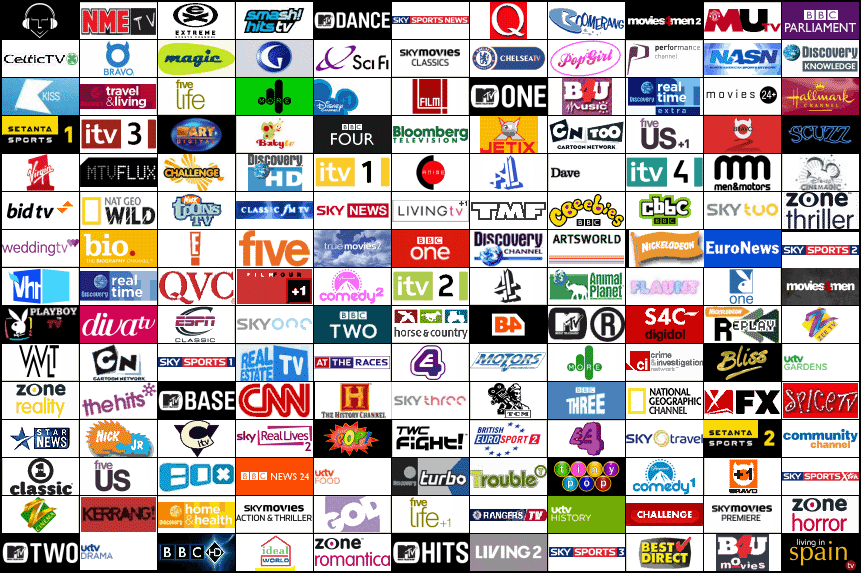
Prime-time TV advertising refers to commercials that air during the most-watched hours of television programming.
Traditionally, prime time runs from:
8:00 PM to 11:00 PM (Eastern and Pacific Time)
7:00 PM to 10:00 PM (Central and Mountain Time)
During these hours, television viewership peaks, making it the most competitive — and most expensive — time to advertise.
Prime-time advertising has long been considered the premium placement for brands seeking maximum visibility and cultural impact.
In this guide, we’ll explore:
-
What qualifies as prime time
-
Why it’s so valuable
-
How pricing works
-
Which industries benefit most
-
Pros and cons
-
Whether prime time is right for your business
Why Prime Time Matters
Prime time attracts the largest concentration of viewers.
This is when:
-
Families are home from work or school
-
Viewers are relaxed and attentive
-
Popular shows air
-
Major entertainment and sports events occur
Because of this, advertisers can reach a large audience quickly.
Major broadcast networks like ABC, NBC, and CBS schedule their most popular programming during prime time.
Higher viewership equals higher demand — which drives up ad costs.
What Airs During Prime Time?
Prime-time programming typically includes:
-
Hit TV series
-
Reality shows
-
Talent competitions
-
Dramas and comedies
-
Live sports
-
Award shows
-
Special events
For example, live sporting events on ESPN during evening hours often deliver strong ratings.
Special broadcasts like championship games or season finales can attract millions of viewers simultaneously.
These programs create ideal environments for brand exposure.
Why Prime-Time Advertising Is Expensive
Prime-time ad slots cost more because:
-
Higher ratings
-
Larger audience reach
-
Greater advertiser demand
-
Premium programming environments
During major events, costs can increase dramatically.
A well-known example is advertising during the Super Bowl, which commands some of the highest advertising rates in the world due to massive viewership.
However, not all prime-time advertising is tied to major national events. Even regular evening programming can carry premium pricing compared to daytime or late-night slots.
Benefits of Prime-Time TV Advertising
1. Maximum Reach
Prime time allows advertisers to reach a broad audience quickly.
If your goal is:
-
Mass awareness
-
Product launch visibility
-
National brand exposure
Prime time can accelerate reach significantly.
2. Stronger Brand Prestige
Advertising during prime time often signals brand strength.
Consumers subconsciously associate prime-time presence with:
-
Stability
-
Credibility
-
Market leadership
For large brands, this reinforces authority.
3. High Engagement Programming
Evening programming often features:
-
Compelling storytelling
-
Live events
-
Emotional moments
These environments increase viewer attention.
Higher attention improves:
-
Brand recall
-
Message retention
-
Emotional connection
4. Cultural Impact
Prime-time commercials often become part of cultural conversation.
High-profile campaigns during popular shows generate:
-
Social media discussion
-
Word-of-mouth exposure
-
News coverage
This amplifies campaign impact beyond TV screens.
Drawbacks of Prime-Time Advertising
While powerful, prime-time advertising has limitations.
1. Higher Cost
Prime time can significantly increase media spend.
For smaller businesses, the cost may limit frequency.
Sometimes:
Multiple lower-cost placements outperform a few premium slots.
2. Broad Targeting
Prime time reaches a large, general audience.
If your product targets a very specific demographic, broad exposure may include waste.
Niche cable channels or connected TV platforms may offer more efficient targeting.
3. Competitive Clutter
Prime-time breaks often contain multiple ads from major brands.
Standing out in crowded commercial pods can be challenging.
Strong creative is essential.
Who Should Consider Prime-Time Advertising?
Prime time works best for:
-
National brands
-
Large product launches
-
Retail holiday campaigns
-
Automotive manufacturers
-
Entertainment releases
-
Political campaigns
For example, automotive companies frequently advertise during prime-time programming to maximize exposure.
Prime Time vs Non-Prime Time
| Factor | Prime Time | Non-Prime Time |
|---|---|---|
| Cost | High | Lower |
| Reach | Broad | Narrower |
| Frequency Potential | Lower (budget limits) | Higher |
| Prestige | High | Moderate |
| Targeting Precision | Moderate | Often better in niche programming |
The right choice depends on campaign goals.
Is Prime Time Still Relevant in the Streaming Era?
Yes — but evolving.
Streaming services and connected TV have changed viewing habits.
Platforms like Hulu allow advertisers to reach audiences during peak viewing hours with more precise targeting.
However, traditional prime-time broadcast remains influential, especially for:
-
Live sports
-
Award shows
-
News specials
-
Major entertainment premieres
Live programming continues to attract large simultaneous audiences.
Prime-Time Strategy Tips
If you choose prime time:
-
Ensure strong creative quality
-
Plan sufficient budget for adequate frequency
-
Integrate digital marketing for follow-up engagement
-
Use clear calls-to-action
-
Consider pairing with non-prime placements
A blended strategy often balances prestige and efficiency.
When Prime Time May Not Be Necessary
Prime time may not be ideal if:
-
You operate locally
-
Your budget is limited
-
Your audience is highly specific
-
You prioritize direct-response marketing
In these cases, niche cable or connected TV may deliver stronger ROI.
Final Thoughts
Prime-time TV advertising represents the most visible and prestigious placement in television marketing.
It offers:
-
Maximum reach
-
High engagement
-
Cultural relevance
-
Brand authority
However, it comes at a premium cost and requires strategic planning.
For large-scale awareness campaigns, prime time can deliver powerful impact.
For smaller or niche advertisers, combining prime-time exposure with targeted placements may produce better overall results.
Ultimately, prime-time advertising remains a cornerstone of television marketing — but like all media decisions, it must align with your budget, audience, and objectives.
- Arts
- Business
- Computers
- Games
- Health
- Home
- Kids and Teens
- Money
- News
- Personal Development
- Recreation
- Regional
- Reference
- Science
- Shopping
- Society
- Sports
- Бизнес
- Деньги
- Дом
- Досуг
- Здоровье
- Игры
- Искусство
- Источники информации
- Компьютеры
- Личное развитие
- Наука
- Новости и СМИ
- Общество
- Покупки
- Спорт
- Страны и регионы
- World

 Russian
 French
 Spanish
 Portuguese
 Deutsch
 Turkish
 Dutch
Dutch
 Italiano
 Arabic
 Romaian
 Portuguese (Brazil)
 Greek
Greek