
How Do I Map the Customer Journey?
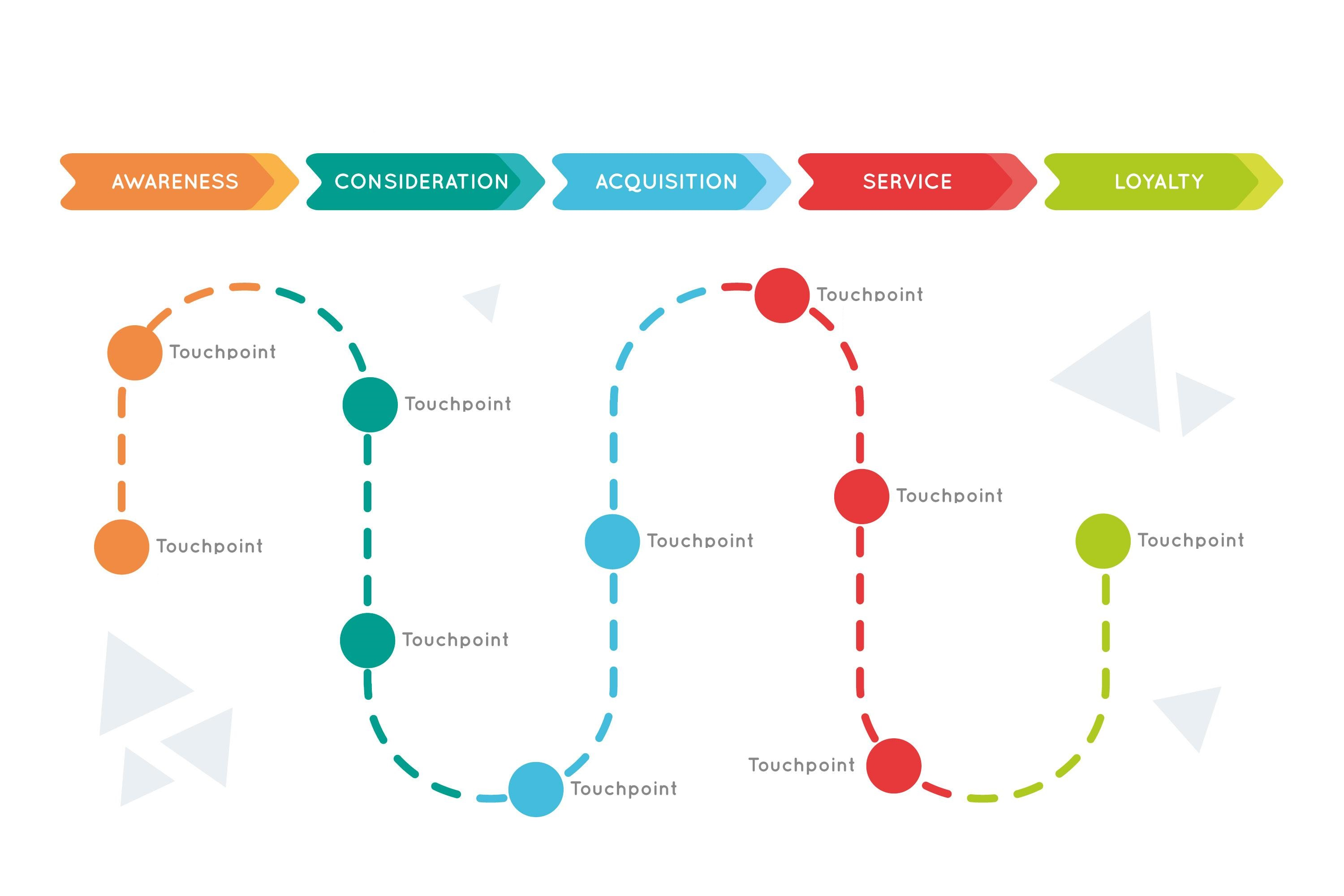
Understanding how customers interact with your business is one of the most important steps toward improving customer experience and business growth. Companies that deeply understand their customers’ journeys are better equipped to deliver seamless experiences, increase satisfaction, and build long-term loyalty.
This is where customer journey mapping becomes essential.
A customer journey map visually represents every interaction a customer has with a brand—from first discovery to post-purchase engagement. It helps businesses see their products and services from the customer’s perspective and identify opportunities to improve the experience.
In this comprehensive guide, you will learn what a customer journey map is, why it matters, and exactly how to create one step by step.
What Is a Customer Journey Map?
A customer journey map is a visual representation of the entire process a customer goes through when interacting with a business.
It outlines:
-
Every stage of the customer journey
-
All customer touchpoints
-
Customer thoughts and emotions
-
Pain points and frustrations
-
Opportunities for improvement
The purpose of journey mapping is to understand the customer experience from the customer's point of view.
Instead of looking at internal processes, businesses examine how customers actually interact with the brand.
Why Customer Journey Mapping Is Important
Many businesses design processes based on internal assumptions rather than customer behavior. Journey mapping helps correct this problem.
Here are some major benefits.
1. Improves Customer Experience
Journey mapping reveals friction points that cause frustration for customers.
For example:
-
confusing checkout processes
-
slow website performance
-
poor onboarding
-
delayed customer support
By fixing these issues, companies improve overall customer satisfaction.
2. Helps Identify Customer Pain Points
Customers often experience problems that companies are unaware of.
Journey mapping highlights these issues, including:
-
long waiting times
-
unclear product information
-
inconsistent communication
Once identified, businesses can take action.
3. Aligns Teams Around the Customer
Different departments often focus on their own goals.
Journey mapping creates a shared understanding across teams such as:
-
marketing
-
sales
-
product development
-
customer support
This alignment leads to better customer-focused decisions.
4. Increases Customer Retention
When businesses remove friction and improve experiences, customers are more likely to stay loyal.
Better journeys lead to:
-
repeat purchases
-
positive reviews
-
stronger brand relationships
5. Improves Marketing and Sales Strategies
Journey maps show how customers discover and evaluate products.
This helps businesses optimize:
-
marketing campaigns
-
sales funnels
-
content strategies
Companies can deliver the right message at the right time.
What Are the Stages of the Customer Journey?
Although every business is different, most customer journeys follow similar stages.
1. Awareness
The customer first discovers the brand.
This can happen through:
-
online advertisements
-
social media
-
search engines
-
word of mouth
-
recommendations
At this stage, customers are simply learning that the company exists.
2. Consideration
The customer begins researching the product or service.
They may:
-
read reviews
-
compare competitors
-
visit the website
-
watch videos
-
explore product pages
Customers evaluate whether the product meets their needs.
3. Purchase
The customer decides to buy the product or service.
Key interactions include:
-
checkout process
-
payment methods
-
pricing transparency
-
purchase confirmation
A smooth purchase experience is critical.
4. Retention
After purchasing, customers begin using the product.
Businesses can support this stage through:
-
onboarding materials
-
tutorials
-
helpful emails
-
proactive support
A good experience encourages repeat purchases.
5. Loyalty and Advocacy
Satisfied customers may become brand advocates.
They may:
-
leave positive reviews
-
recommend the brand
-
share experiences on social media
-
make repeat purchases
This stage generates long-term business growth.
What Are Customer Touchpoints?
Touchpoints are every interaction between a customer and a brand.
Examples include:
-
website visits
-
social media posts
-
advertisements
-
product pages
-
email communication
-
customer service interactions
-
delivery and packaging
Mapping these touchpoints helps businesses understand how customers move through their journey.
How to Map the Customer Journey Step-by-Step
Creating a customer journey map requires research, analysis, and collaboration.
Below is a practical step-by-step process.
Step 1: Define Your Customer Personas
Before mapping the journey, you must understand your customers.
A customer persona represents a typical customer segment.
Personas include:
-
demographics
-
goals
-
behaviors
-
motivations
-
challenges
Example persona:
Name: Sarah
Age: 32
Goal: Find affordable fitness equipment
Pain Point: Limited time for research
Journey maps should be created for each major customer persona.
Step 2: Identify Customer Goals
At each stage of the journey, customers have specific goals.
Examples include:
Awareness stage goals:
-
discover solutions to a problem
-
learn about available products
Consideration stage goals:
-
compare options
-
evaluate product features
Purchase stage goals:
-
complete the transaction easily
-
feel confident about the decision
Understanding customer goals helps design better experiences.
Step 3: List All Customer Touchpoints
Next, identify every possible interaction customers have with your brand.
These may include:
Digital touchpoints:
-
website visits
-
mobile app usage
-
social media interactions
-
online ads
Offline touchpoints:
-
physical stores
-
events
-
phone calls
Support touchpoints:
-
live chat
-
email support
-
help centers
Documenting these interactions helps build a complete journey map.
Step 4: Understand Customer Emotions
Customer emotions play a critical role in the journey.
At each stage, ask:
-
What does the customer feel?
-
Are they excited, confused, frustrated, or satisfied?
For example:
Awareness stage:
curious, interested
Purchase stage:
excited or nervous
Support stage:
frustrated or hopeful
Mapping emotions helps identify where improvements are needed.
Step 5: Identify Pain Points
Pain points are obstacles that prevent customers from having a smooth experience.
Common pain points include:
-
slow websites
-
confusing navigation
-
unclear pricing
-
difficult checkout processes
-
poor customer support
Identifying these issues is one of the most valuable outcomes of journey mapping.
Step 6: Highlight Opportunities for Improvement
Once pain points are identified, businesses can develop solutions.
Examples include:
-
simplifying the checkout process
-
improving website navigation
-
adding better product descriptions
-
offering proactive support
Each improvement enhances the overall customer experience.
Step 7: Visualize the Customer Journey Map
The final step is to create a visual representation of the journey.
Journey maps typically include:
-
stages of the journey
-
touchpoints
-
customer actions
-
emotions
-
pain points
-
opportunities
Many companies use diagrams or charts to present the journey clearly.
Example of a Simple Customer Journey Map
Below is a simplified example for an online store.
Awareness Stage
Customer action:
sees a social media advertisement
Touchpoint:
Instagram ad
Emotion:
curiosity
Pain point:
uncertain product benefits
Opportunity:
improve ad messaging
Consideration Stage
Customer action:
visits website and reads reviews
Touchpoints:
website, product pages
Emotion:
interested but cautious
Pain point:
too many product options
Opportunity:
offer comparison guides
Purchase Stage
Customer action:
adds item to cart
Touchpoint:
checkout page
Emotion:
excited
Pain point:
complex checkout process
Opportunity:
simplify checkout
Retention Stage
Customer action:
receives product
Touchpoint:
email communication
Emotion:
satisfaction
Opportunity:
send onboarding tutorials
Tools for Customer Journey Mapping
Several tools can help businesses create professional journey maps.
Popular tools include:
Customer Experience Platforms
These platforms analyze customer data and interactions.
They provide insights into:
-
customer behavior
-
journey patterns
-
engagement levels
Visualization Tools
Many teams use visual collaboration tools to design journey maps.
These tools help teams brainstorm and document the customer journey.
Analytics Platforms
Analytics tools track customer interactions across digital channels.
They help businesses understand:
-
website behavior
-
conversion paths
-
drop-off points
Common Mistakes in Customer Journey Mapping
Many organizations make mistakes when creating journey maps.
Understanding these pitfalls helps avoid them.
1. Ignoring Real Customer Data
Some businesses rely on assumptions instead of research.
Journey maps should be based on:
-
surveys
-
analytics data
-
customer interviews
Real data leads to more accurate insights.
2. Focusing Only on One Department
Customer experience spans multiple teams.
Journey mapping should include input from:
-
marketing
-
product development
-
sales
-
support teams
Collaboration ensures a complete view.
3. Forgetting Post-Purchase Experiences
Many companies stop mapping after the purchase stage.
However, post-purchase experiences are critical for loyalty.
Important stages include:
-
onboarding
-
support
-
follow-up communication
4. Creating Maps but Not Acting on Them
Some organizations create journey maps but never implement improvements.
Journey maps should lead to actionable changes.
Best Practices for Effective Customer Journey Mapping
To get the most value from journey mapping, follow these best practices.
Use Real Customer Feedback
Collect feedback through:
-
surveys
-
interviews
-
reviews
-
support interactions
Customer insights make journey maps more accurate.
Update Journey Maps Regularly
Customer behavior evolves over time.
Businesses should review journey maps periodically to reflect changes.
Involve Cross-Functional Teams
Include multiple departments in the mapping process.
This ensures that all aspects of the experience are considered.
Focus on Customer Emotions
Understanding how customers feel is just as important as understanding what they do.
Emotional insights reveal deeper problems.
Prioritize Improvements
Not all issues can be solved at once.
Focus first on changes that will have the biggest impact on the customer experience.
The Future of Customer Journey Mapping
Customer journey mapping is evolving as technology advances.
Emerging trends include:
AI-Powered Journey Analysis
Artificial intelligence can analyze large amounts of customer data to identify patterns and predict behavior.
Real-Time Journey Tracking
Businesses can now monitor customer journeys in real time and respond instantly.
Hyper-Personalized Experiences
Advanced analytics allow companies to tailor experiences for individual customers.
Conclusion
Customer journey mapping is one of the most powerful tools for understanding and improving customer experience.
By visualizing every interaction customers have with a brand, businesses can uncover pain points, optimize touchpoints, and create more meaningful experiences.
The process involves:
-
defining customer personas
-
identifying journey stages
-
mapping touchpoints
-
understanding emotions
-
finding pain points
-
identifying opportunities for improvement
Organizations that invest in customer journey mapping gain deeper insights into customer behavior and can design experiences that foster loyalty, satisfaction, and long-term growth.
In an increasingly competitive market, businesses that understand the customer journey are better positioned to deliver exceptional experiences and build lasting relationships.
- Arts
- Business
- Computers
- Παιχνίδια
- Health
- Κεντρική Σελίδα
- Kids and Teens
- Money
- News
- Personal Development
- Recreation
- Regional
- Reference
- Science
- Shopping
- Society
- Sports
- Бизнес
- Деньги
- Дом
- Досуг
- Здоровье
- Игры
- Искусство
- Источники информации
- Компьютеры
- Личное развитие
- Наука
- Новости и СМИ
- Общество
- Покупки
- Спорт
- Страны и регионы
- World

 English
 Russian
 French
 Spanish
 Portuguese
 Deutsch
 Turkish
 Dutch
Dutch
 Italiano
 Arabic
 Romaian
 Portuguese (Brazil)