
What Is Predictive Customer Experience?
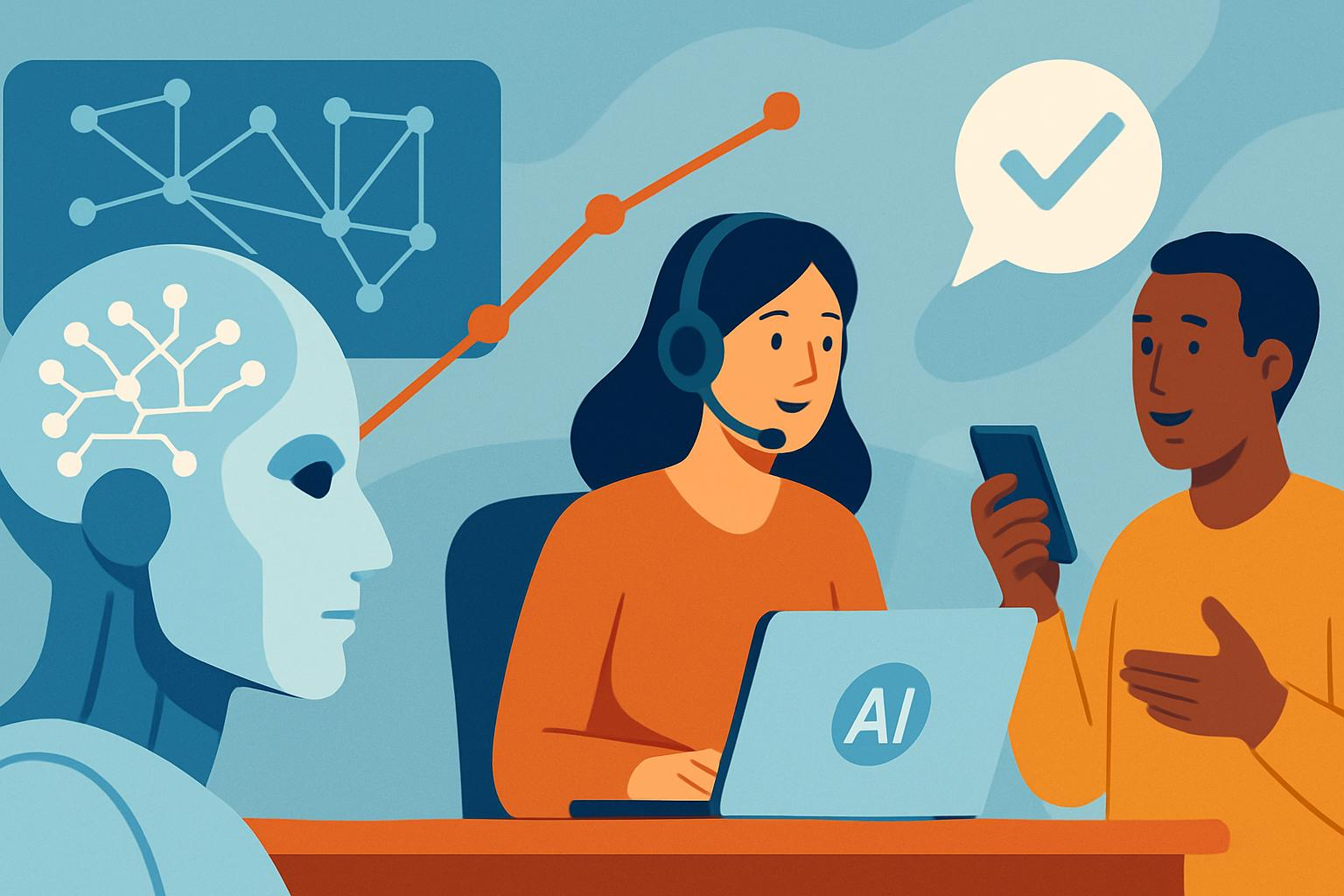
Predictive customer experience (CX) is an advanced strategy that leverages data, analytics, and machine learning to anticipate customer needs and behaviors before they occur. By predicting what customers are likely to want, businesses can deliver personalized, proactive, and frictionless experiences, improving satisfaction, loyalty, and revenue. Unlike traditional CX, which reacts to customer actions, predictive CX enables companies to act before the customer requests assistance, enhancing the overall experience.
This article explores the concept of predictive customer experience, its key components, benefits, real-world examples, and implementation strategies. By understanding predictive CX, companies can transition from reactive service models to proactive, insight-driven engagement.
Understanding Predictive Customer Experience
Predictive CX uses historical data, behavioral analytics, and AI to forecast customer preferences, potential problems, and opportunities for engagement. It allows companies to:
-
Anticipate purchase intentions
-
Identify at-risk customers before churn occurs
-
Offer timely recommendations or promotions
-
Provide support before a customer encounters a problem
The goal is to minimize friction, increase satisfaction, and strengthen loyalty by addressing needs proactively rather than reactively.
Key Components of Predictive CX
1. Data Collection
Effective predictive CX requires comprehensive, high-quality data:
-
Behavioral Data: Website navigation, purchase history, app interactions
-
Transactional Data: Past purchases, subscription renewals, returns
-
Demographic and Psychographic Data: Age, location, interests, lifestyle
-
Feedback and Engagement Data: Surveys, reviews, social media interactions
The more robust and accurate the data, the better the predictive models.
2. Analytics and Machine Learning
Machine learning algorithms analyze patterns in customer data to predict future behavior. Common applications include:
-
Churn prediction: Identifying customers likely to leave
-
Recommendation engines: Suggesting products or services
-
Predictive support: Foreseeing potential service issues
-
Sentiment analysis: Forecasting customer satisfaction and brand perception
Advanced analytics turn raw data into actionable insights for proactive CX strategies.
3. Automation and Real-Time Actions
Predictive CX relies on automation to act on insights in real time:
-
Triggering personalized emails or notifications
-
Adjusting website content dynamically based on predicted behavior
-
Alerting support teams to reach out proactively
-
Updating loyalty programs or offers automatically
Automation ensures timely and consistent responses that align with predicted customer needs.
4. Personalization
At the core of predictive CX is personalized experiences:
-
Tailored product recommendations based on past behavior and predicted preferences
-
Customized offers and promotions delivered at the right moment
-
Adaptive service responses based on customer sentiment or potential pain points
Personalization strengthens engagement and creates memorable interactions.
Benefits of Predictive Customer Experience
-
Increased Customer Satisfaction: Customers receive relevant, proactive support and offers.
-
Higher Retention Rates: Predictive insights allow brands to intervene before churn occurs.
-
Revenue Growth: Anticipated product or service recommendations drive upsells and cross-sells.
-
Operational Efficiency: Proactive support reduces reactive inquiries, freeing resources.
-
Competitive Advantage: Companies that anticipate customer needs outperform reactive competitors.
Strategies for Implementing Predictive CX
1. Centralize Customer Data
-
Use a CRM or CXM platform to consolidate data from multiple touchpoints
-
Ensure data quality, consistency, and accessibility for analysis
-
Maintain privacy and compliance with regulations
2. Leverage Advanced Analytics
-
Apply machine learning to identify patterns and predict outcomes
-
Use predictive models for segmentation, churn analysis, and recommendation engines
-
Continuously refine models with new data for accuracy
3. Personalize Interactions Proactively
-
Deliver relevant offers and content based on predicted behavior
-
Adjust messaging and support strategies to customer needs before they arise
-
Tailor experiences across channels, including email, apps, and in-store
4. Automate Actionable Insights
-
Trigger automated workflows for promotions, service outreach, and support
-
Provide real-time alerts to employees for proactive engagement
-
Integrate automation with CRM, marketing, and support systems
5. Measure Impact
-
Track CES, CSAT, NPS, and retention metrics before and after predictive initiatives
-
Evaluate revenue impact from upsells, cross-sells, and repeat purchases
-
Monitor engagement with predictive offers and proactive communications
Real-World Examples of Predictive CX
Example 1: Amazon
Amazon uses predictive CX extensively:
-
Recommends products based on browsing and purchase history
-
Sends proactive notifications about deals and order updates
-
Anticipates replenishment needs for consumable products
This predictive approach drives repeat purchases, convenience, and loyalty.
Example 2: Netflix
Netflix leverages predictive analytics:
-
Suggests shows and movies based on viewing history and predicted preferences
-
Sends notifications about new releases likely to interest individual users
-
Optimizes streaming quality and content delivery proactively
Netflix’s predictive CX keeps users engaged and reduces churn.
Example 3: Starbucks
Starbucks employs predictive strategies in its mobile app:
-
Recommends personalized beverages and promotions based on purchase patterns
-
Sends offers at times customers are likely to visit
-
Uses predictive analytics for inventory and demand management in stores
Starbucks demonstrates how predictive CX improves both digital engagement and in-store experiences.
Metrics to Measure Predictive CX Success
-
Customer Effort Score (CES): Lower effort indicates effective prediction of needs
-
Customer Satisfaction (CSAT): Higher satisfaction reflects proactive and relevant interactions
-
Net Promoter Score (NPS): Measures loyalty and likelihood to recommend
-
Retention Rate: Tracks impact of predictive actions on customer loyalty
-
Revenue Metrics: Upsells, cross-sells, and repeat purchase behavior
-
Engagement Metrics: Interaction rates with personalized content and offers
Monitoring these metrics ensures predictive initiatives deliver measurable business benefits.
Best Practices for Predictive CX
-
Consolidate and maintain accurate customer data
-
Apply machine learning models to anticipate behavior and preferences
-
Personalize interactions proactively across all channels
-
Automate workflows for timely and consistent actions
-
Train employees to interpret predictive insights and act accordingly
-
Monitor metrics continuously to evaluate impact
-
Iterate models and strategies based on real-world outcomes
-
Ensure compliance with privacy and data protection regulations
-
Align predictive initiatives with broader CX and business objectives
-
Foster a customer-centric culture that values anticipation and proactive service
Conclusion
Predictive customer experience transforms CX from reactive to proactive. By leveraging data, analytics, and AI, companies can anticipate customer needs, deliver personalized solutions, and reduce friction across interactions. Real-world examples from Amazon, Netflix, and Starbucks illustrate the power of predictive CX in driving satisfaction, loyalty, and revenue growth.
Implementing predictive CX requires data integration, advanced analytics, automation, and employee alignment. Measuring effectiveness through CES, CSAT, NPS, and engagement metrics ensures initiatives produce tangible benefits. Companies that master predictive CX gain a competitive edge by delivering experiences that feel effortless, timely, and highly relevant to customers.
- Arts
- Business
- Computers
- Jocuri
- Health
- Home
- Kids and Teens
- Money
- News
- Personal Development
- Recreation
- Regional
- Reference
- Science
- Shopping
- Society
- Sports
- Бизнес
- Деньги
- Дом
- Досуг
- Здоровье
- Игры
- Искусство
- Источники информации
- Компьютеры
- Личное развитие
- Наука
- Новости и СМИ
- Общество
- Покупки
- Спорт
- Страны и регионы
- World

 English
 Russian
 French
 Spanish
 Portuguese
 Deutsch
 Turkish
 Dutch
Dutch
 Italiano
 Arabic
 Portuguese (Brazil)
 Greek
Greek