
How do I manage multiple projects at once?
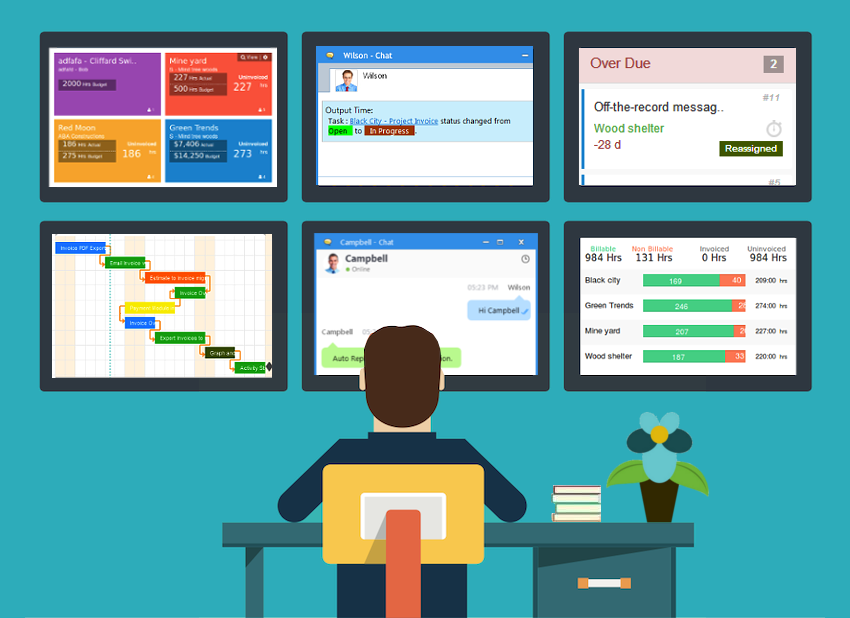
Managing multiple projects at the same time is a common challenge in modern work environments. Professionals, students, freelancers, and managers often find themselves juggling several responsibilities with different deadlines, priorities, and levels of complexity. Without a structured approach, this can quickly lead to missed deadlines, stress, and reduced quality of work.
However, managing multiple projects effectively is a skill that can be developed. With the right strategies, systems, and mindset, you can maintain control over your workload while ensuring each project receives the attention it deserves. This guide explores practical methods for handling multiple projects efficiently while maintaining productivity and balance.
Understanding the Challenge of Multiple Projects
Before discussing strategies, it is important to understand why managing multiple projects can feel overwhelming.
Each project typically includes:
-
Multiple tasks
-
Different deadlines
-
Communication with various people
-
Unique goals and deliverables
-
Changing priorities
When these elements overlap, your brain must constantly switch contexts. This “context switching” reduces efficiency and increases cognitive fatigue. The goal of effective project management is to reduce this chaos by creating structure and clarity.
Start With a Clear Overview of All Projects
The first step in managing multiple projects is to gain full visibility of everything you are responsible for.
Create a master project list that includes:
-
Project name
-
Key objectives
-
Deadlines
-
Major milestones
-
Stakeholders involved
Seeing all projects in one place prevents important tasks from slipping through the cracks. It also allows you to identify potential conflicts between deadlines and workloads.
This overview acts as your central control panel.
Break Projects Into Smaller Tasks
Large projects often feel intimidating because they appear as a single massive responsibility. The key is to break each project into manageable tasks.
For example, instead of writing:
-
“Complete marketing campaign”
Break it down into:
-
Research target audience
-
Define campaign goals
-
Write ad copy
-
Design graphics
-
Schedule posts
-
Analyze results
Smaller tasks make projects easier to schedule, track, and complete. They also provide a clearer sense of progress.
Prioritize Projects Strategically
Not every project carries the same level of urgency or importance. Trying to treat every project as top priority will quickly lead to burnout.
Evaluate each project based on factors such as:
-
Deadline proximity
-
Strategic importance
-
Impact on other people
-
Complexity of tasks
You can categorize projects into levels like:
-
Critical projects – urgent and high-impact
-
Important projects – significant but less urgent
-
Maintenance projects – ongoing responsibilities
Your schedule should reflect these priorities. Critical work deserves your highest energy and focus.
Use Time Blocking for Project Work
Time blocking is one of the most effective techniques for handling multiple projects. Instead of constantly switching tasks, you dedicate specific time blocks to a single project.
For example:
Monday
9:00–11:00 → Project A
11:30–13:00 → Project B
Tuesday
10:00–12:00 → Project C
13:00–15:00 → Project A
By assigning dedicated time slots, you create focused work periods that reduce distractions and improve efficiency.
Avoid Constant Multitasking
Many people assume multitasking helps them handle more work. In reality, it often reduces productivity.
When you frequently switch between projects, your brain needs time to reorient itself. This transition period lowers efficiency and increases mistakes.
Instead, focus on single-tasking:
-
Work on one project during a time block.
-
Complete a defined task before switching.
-
Take short breaks between sessions.
This approach improves concentration and output quality.
Track Deadlines and Milestones
When managing multiple projects, deadlines can easily become confusing. Missing a milestone in one project can create delays for the entire workflow.
Use a centralized system to track:
-
Final deadlines
-
Intermediate milestones
-
Review dates
-
Deliverable submissions
A visual calendar or project timeline helps you identify busy periods and adjust your workload accordingly.
For example, if two major deadlines fall in the same week, you can start one project earlier to avoid pressure later.
Communicate Clearly With Stakeholders
Communication becomes increasingly important when several projects involve different people.
Make sure to:
-
Clarify expectations at the start of each project
-
Provide regular updates
-
Inform stakeholders if timelines change
-
Ask for clarification when instructions are unclear
Proactive communication prevents misunderstandings and reduces last-minute surprises.
Use Project Management Tools
Digital tools can significantly simplify multi-project management. They allow you to organize tasks, track progress, and collaborate with others.
Popular types of tools include:
Task management tools
These help organize tasks, assign priorities, and track progress.
Project management platforms
These provide visual boards, timelines, and collaboration features.
Calendar tools
These help schedule time blocks and monitor deadlines.
The key is to centralize information so you always know what needs to be done next.
Plan Your Week in Advance
Weekly planning is essential when handling multiple projects.
At the start of each week:
-
Review all projects.
-
Identify tasks that must be completed.
-
Estimate how long each task will take.
-
Schedule work sessions in your calendar.
This planning session provides clarity and prevents reactive decision-making during the week.
Without planning, you may spend too much time on lower-priority tasks while critical work remains unfinished.
Manage Your Energy, Not Just Your Time
Productivity depends heavily on mental energy.
When managing multiple projects, schedule tasks based on energy requirements:
High-energy tasks
-
Strategic planning
-
Writing reports
-
Complex problem-solving
Medium-energy tasks
-
Research
-
Data analysis
-
Creative brainstorming
Low-energy tasks
-
Emails
-
Administrative work
-
Organization
Working with your natural energy patterns increases efficiency and reduces fatigue.
Keep Project Information Organized
Disorganized files and notes can create unnecessary stress when handling several projects.
Create a clear organizational system such as:
Separate folders for each project
Consistent naming conventions
Centralized documents and notes
When information is easy to locate, you save time and maintain focus.
Review Progress Regularly
Regular reviews help ensure that projects stay on track.
A weekly project review should include:
-
Tasks completed
-
Tasks remaining
-
Upcoming deadlines
-
Potential risks or delays
This review allows you to adjust priorities and allocate additional time to projects that need attention.
Learn to Delegate When Possible
If you work within a team, delegation can significantly reduce workload.
Delegation involves assigning tasks to people who have the skills and capacity to complete them effectively.
When delegating:
-
Provide clear instructions
-
Define deadlines
-
Offer necessary resources
-
Follow up periodically
Delegation allows you to focus on high-level responsibilities while maintaining project progress.
Avoid Overcommitting
One of the biggest mistakes people make is accepting too many projects.
Overcommitment leads to:
-
Missed deadlines
-
Lower quality work
-
Increased stress
-
Burnout
Before accepting new projects, evaluate your current workload and capacity. It is better to complete fewer projects well than to struggle with too many.
Build Buffer Time Into Your Schedule
Unexpected issues can arise in any project. Tasks may take longer than expected, new requirements may appear, or urgent requests may interrupt your workflow.
To handle these situations:
-
Leave open space in your weekly schedule
-
Avoid scheduling every hour
-
Plan extra time before major deadlines
Buffer time protects your schedule from becoming overloaded.
Reduce Distractions During Project Work
Focused work sessions are essential when managing multiple responsibilities.
Minimize distractions by:
-
Turning off non-essential notifications
-
Working in a quiet environment
-
Using website blockers if needed
-
Setting clear work boundaries
Even small interruptions can disrupt concentration and extend task completion time.
Celebrate Progress
Managing several projects can feel overwhelming if you only focus on unfinished work.
Recognizing progress helps maintain motivation.
You can celebrate by:
-
Checking off completed tasks
-
Reviewing milestones achieved
-
Acknowledging improvements in efficiency
Small wins build momentum and keep you engaged with your projects.
Develop a Consistent Workflow
Consistency is one of the most powerful productivity tools.
Establish routines such as:
Daily planning
Focused work sessions
Regular breaks
Weekly reviews
A consistent workflow reduces decision fatigue and helps maintain steady progress across all projects.
Final Thoughts
Managing multiple projects successfully requires structure, planning, and discipline. While it may seem overwhelming at first, implementing the right strategies can make the process far more manageable.
The key principles include:
-
Maintaining a clear overview of all projects
-
Breaking work into smaller tasks
-
Prioritizing based on importance and deadlines
-
Scheduling focused work sessions
-
Tracking progress and deadlines
-
Communicating clearly with stakeholders
By organizing your workload and maintaining a structured system, you can manage several projects without sacrificing productivity or well-being.
With practice, these methods become habits. Over time, you will develop the confidence and efficiency needed to handle even complex project portfolios effectively.
- Arts
- Business
- Computers
- Games
- Health
- Home
- Kids and Teens
- Money
- News
- Personal Development
- Recreation
- Regional
- Reference
- Science
- Shopping
- Society
- Sports
- Бизнес
- Деньги
- Дом
- Досуг
- Здоровье
- Игры
- Искусство
- Источники информации
- Компьютеры
- Личное развитие
- Наука
- Новости и СМИ
- Общество
- Покупки
- Спорт
- Страны и регионы
- World

 Russian
 French
 Spanish
 Portuguese
 Deutsch
 Turkish
 Dutch
Dutch
 Italiano
 Arabic
 Romaian
 Portuguese (Brazil)
 Greek
Greek