
How do I avoid time-wasting activities?
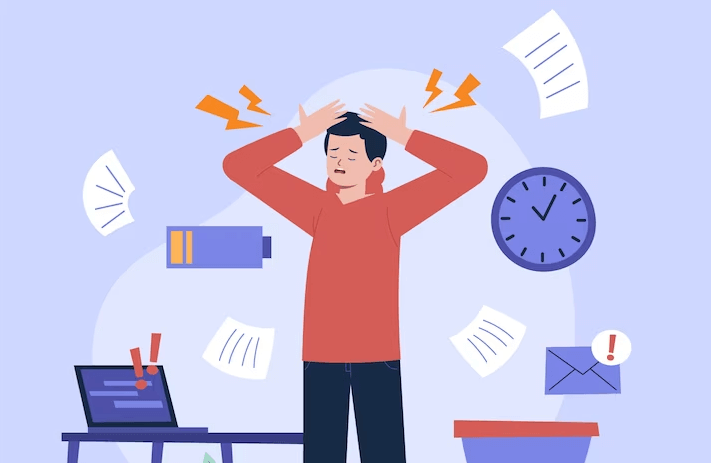
Time is one of the most valuable resources we have, yet many people feel like it slips away too quickly. At the end of the day, it’s common to wonder where the hours went and why important tasks remain unfinished. Often, the issue is not a lack of time but the presence of time-wasting activities that consume attention and reduce productivity.
Learning how to identify and eliminate these activities can significantly improve efficiency, reduce stress, and help you accomplish more meaningful work. Avoiding time-wasting habits is not about working constantly or removing all forms of relaxation; instead, it is about becoming more intentional with how you spend your time.
This guide explores practical strategies to recognize, manage, and eliminate time-wasting behaviors so you can focus on what truly matters.
Understanding What Time-Wasting Activities Are
Time-wasting activities are actions that consume time without contributing meaningful value to your goals, responsibilities, or well-being. These activities often feel harmless in the moment but accumulate into hours of lost productivity.
Examples include:
-
Excessive social media browsing
-
Constantly checking email or notifications
-
Watching videos without intention
-
Unnecessary meetings
-
Reorganizing tasks repeatedly without starting them
-
Multitasking inefficiently
-
Procrastinating on important work
Not all leisure activities are time-wasting. Relaxation, hobbies, and entertainment are important for mental health. The difference lies in whether the activity is intentional and controlled or unconscious and excessive.
Recognizing Where Your Time Goes
Before you can reduce time-wasting activities, you need to understand where your time is currently being spent.
A useful method is conducting a time audit.
For several days, track your activities in detail. Record how long you spend on:
-
Work or study tasks
-
Social media
-
Emails and messaging
-
Meetings
-
Entertainment
-
Household responsibilities
Many people discover surprising patterns. For example, what feels like “a few minutes on social media” may actually be an hour or more.
Once you identify these patterns, it becomes easier to address them.
Identify Your Biggest Distractions
Distractions are one of the main causes of time-wasting behavior. They interrupt focus and extend the time required to complete tasks.
Common distractions include:
Digital distractions
-
Social media platforms
-
Messaging apps
-
News websites
Environmental distractions
-
Noisy environments
-
Interruptions from others
-
Cluttered workspaces
Internal distractions
-
Boredom
-
Lack of motivation
-
Mental fatigue
Recognizing your most common distractions allows you to take targeted action to minimize them.
Set Clear Goals and Priorities
When your goals are unclear, it becomes easier to drift into time-wasting activities. Clear goals provide direction and motivation.
Start by defining:
-
Long-term goals (career, education, personal development)
-
Medium-term goals (monthly or quarterly achievements)
-
Daily priorities (tasks that move you closer to your goals)
When you know what needs to be accomplished, you are less likely to waste time on activities that do not contribute to progress.
Plan Your Day in Advance
Planning your day helps prevent idle time and decision fatigue.
At the beginning of each day, identify:
-
The most important tasks
-
Time required for each task
-
When you will complete them
This structure keeps you focused and reduces the temptation to procrastinate.
Many people find time blocking helpful. Time blocking involves assigning specific tasks to specific periods of the day.
Example:
9:00 – 10:30 → Work on project report
10:30 – 10:45 → Break
10:45 – 12:00 → Respond to emails
When time is allocated intentionally, there is less opportunity for time-wasting behavior.
Limit Social Media and Digital Distractions
Digital platforms are designed to capture attention. Without limits, they can consume significant portions of the day.
Strategies for controlling digital distractions include:
Turning off non-essential notifications
Keeping your phone out of reach during work sessions
Using website blockers for distracting sites
Scheduling specific times for checking social media
By controlling when and how you engage with these platforms, you regain control over your attention.
Use Focus Techniques
Structured work intervals can help maintain concentration and reduce distractions.
One effective approach is the Pomodoro Technique, which divides work into focused intervals followed by short breaks.
A typical cycle looks like this:
-
25 minutes of focused work
-
5-minute break
After four cycles, take a longer break.
This method keeps your mind fresh and reduces the urge to seek distractions.
Break Large Tasks Into Smaller Steps
Large tasks can feel overwhelming, leading to procrastination and time-wasting behavior.
Instead of viewing a task as a single large responsibility, break it into smaller, manageable steps.
For example, instead of:
“Write research paper”
Break it into:
-
Choose topic
-
Conduct research
-
Create outline
-
Write introduction
-
Draft body sections
-
Edit and proofread
Completing smaller steps creates a sense of progress and makes it easier to stay focused.
Avoid Multitasking
Multitasking is often mistaken for productivity, but it usually reduces efficiency.
Switching between tasks forces your brain to refocus repeatedly, which wastes time and mental energy.
Instead, practice single-tasking:
-
Focus on one task at a time
-
Complete it or reach a natural stopping point
-
Move on to the next task
This approach improves concentration and work quality.
Reduce Unnecessary Meetings
Meetings can consume large portions of the workday without producing meaningful results.
To avoid wasting time in meetings:
-
Only attend meetings with a clear purpose
-
Request an agenda beforehand
-
Keep discussions focused on objectives
-
Decline meetings that do not require your presence
Efficient communication often reduces the need for lengthy discussions.
Learn to Say No
Overcommitting is another source of time-wasting. Accepting too many tasks or obligations can spread your time too thin.
Before agreeing to new responsibilities, ask yourself:
-
Does this align with my priorities?
-
Do I have time to complete it effectively?
-
Is it necessary for me to handle this personally?
Saying no when appropriate protects your time and energy.
Organize Your Workspace
A cluttered environment can lead to wasted time searching for documents, tools, or information.
Organize your workspace by:
-
Keeping only necessary items on your desk
-
Storing documents in clearly labeled folders
-
Maintaining digital file organization
An organized environment supports focused and efficient work.
Manage Your Energy Levels
Time management is closely related to energy management.
When you are tired or mentally drained, you are more likely to engage in time-wasting activities.
To maintain energy:
-
Get adequate sleep
-
Take regular breaks
-
Stay physically active
-
Eat balanced meals
Working when your energy levels are highest allows you to complete tasks faster and more effectively.
Create Productive Habits
Habits reduce the need for constant decision-making.
Examples of productive habits include:
-
Starting the day with a clear plan
-
Reviewing goals regularly
-
Scheduling focused work sessions
-
Limiting distractions during work hours
Over time, these habits make productivity more automatic.
Track Your Progress
Monitoring your productivity helps you stay accountable.
You can track progress by:
-
Checking off completed tasks
-
Reviewing daily accomplishments
-
Reflecting on how your time was spent
If you notice recurring time-wasting patterns, you can adjust your strategies accordingly.
Reward Yourself for Productivity
Motivation plays an important role in avoiding time-wasting behavior.
Reward yourself after completing important tasks. Rewards can include:
-
Taking a short break
-
Enjoying a favorite snack
-
Spending time on a hobby
These incentives make productivity more satisfying and sustainable.
Accept That Some Downtime Is Necessary
Avoiding time-wasting activities does not mean eliminating relaxation entirely. Rest and leisure are essential for maintaining mental health and long-term productivity.
The goal is to make leisure intentional rather than accidental.
For example:
Intentional leisure
-
Watching a movie after completing work
-
Playing a game during scheduled downtime
Unintentional time-wasting
-
Scrolling through social media for hours without realizing it
Being mindful of how you spend free time ensures that relaxation supports productivity rather than undermining it.
Final Thoughts
Avoiding time-wasting activities is a skill that requires awareness, discipline, and intentional planning. By understanding how your time is currently spent and making small adjustments to your habits, you can significantly improve productivity.
Key strategies include:
-
Conducting a time audit
-
Identifying major distractions
-
Setting clear goals and priorities
-
Planning your day in advance
-
Limiting digital distractions
-
Using structured focus techniques
-
Breaking tasks into smaller steps
-
Avoiding multitasking
-
Maintaining organized work environments
Over time, these strategies help you develop a more mindful relationship with time. Instead of feeling like the day disappears without progress, you gain control over your schedule and focus on activities that truly matter.
Ultimately, avoiding time-wasting activities is not about doing more work. It is about ensuring that your time is spent on meaningful tasks that align with your goals, responsibilities, and well-being.
- Arts
- Business
- Computers
- Games
- Health
- Home
- Kids and Teens
- Money
- News
- Personal Development
- Recreation
- Regional
- Reference
- Science
- Shopping
- Society
- Sports
- Бизнес
- Деньги
- Дом
- Досуг
- Здоровье
- Игры
- Искусство
- Источники информации
- Компьютеры
- Личное развитие
- Наука
- Новости и СМИ
- Общество
- Покупки
- Спорт
- Страны и регионы
- World

 Russian
 French
 Spanish
 Portuguese
 Deutsch
 Turkish
 Dutch
Dutch
 Italiano
 Arabic
 Romaian
 Portuguese (Brazil)
 Greek
Greek