
Factors That Influence Economic Development
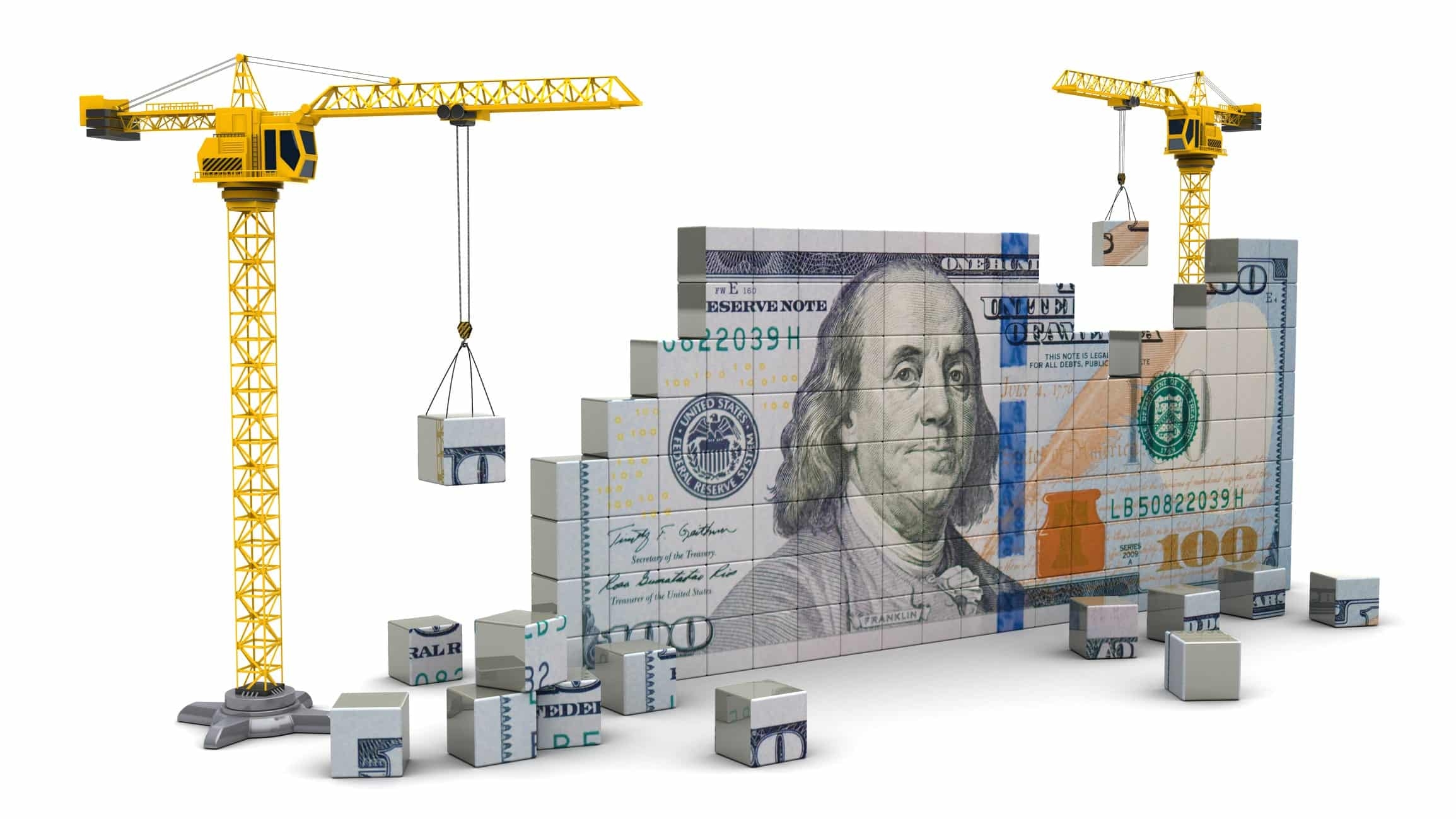
Factors That Influence Economic Development
Economic development refers to the process through which a country improves the economic, political, and social well-being of its people. Unlike economic growth, which focuses mainly on increases in a country's output or income, economic development includes broader improvements such as better education, improved healthcare, higher living standards, reduced poverty, and more opportunities for citizens. Many different factors influence how quickly and successfully a country develops. These factors can be economic, social, political, geographic, and technological in nature.
1. Natural Resources
Natural resources play an important role in economic development. Countries that possess valuable resources such as oil, natural gas, minerals, fertile land, forests, or water often have strong economic potential. These resources can support industries, generate export revenue, and provide employment opportunities.
For example, oil-rich countries may generate large amounts of income through exports. Agricultural resources can also support food production and trade. However, natural resources alone do not guarantee development. Some countries with abundant resources still struggle economically due to poor management, corruption, or lack of diversification in their economies. Therefore, how resources are managed is often more important than simply having them.
2. Human Capital
Human capital refers to the knowledge, skills, education, and health of a country's population. A well-educated and healthy workforce is essential for economic development. Education improves people's ability to innovate, solve problems, and operate modern technologies. It also increases productivity and helps individuals earn higher incomes.
Healthcare is equally important. Healthy workers are more productive and able to contribute effectively to the economy. Countries that invest heavily in education and healthcare often experience faster economic development because their populations are better prepared to participate in modern industries.
3. Infrastructure
Infrastructure includes the physical systems that support economic activity, such as transportation networks, electricity supply, water systems, telecommunications, and internet access. Good infrastructure allows goods, services, and people to move efficiently within a country and across borders.
For example, well-developed roads and railways reduce transportation costs and improve trade. Reliable electricity enables industries and businesses to operate smoothly. Modern communication networks support financial systems, e-commerce, and global connectivity. Countries with strong infrastructure are generally more attractive to investors and businesses, which contributes to economic development.
4. Political Stability and Governance
Political stability and effective governance are essential for sustainable economic development. Governments play a critical role in establishing laws, maintaining order, protecting property rights, and creating policies that encourage economic activity.
When a country experiences political instability, corruption, or weak institutions, businesses and investors may lose confidence. This can reduce investment, slow economic growth, and limit development. On the other hand, transparent governance, strong legal systems, and stable political environments encourage entrepreneurship, foreign investment, and long-term planning.
5. Technology and Innovation
Technological advancement is one of the most powerful drivers of economic development. Technology improves productivity by allowing workers and businesses to produce more goods and services with fewer resources. Innovations in areas such as manufacturing, agriculture, information technology, and healthcare can transform economies.
Countries that invest in research and development, digital infrastructure, and technological education often experience rapid economic progress. Technology also allows developing countries to adopt modern methods and increase efficiency without repeating every stage of development experienced by advanced economies.
6. Capital Investment
Capital refers to financial resources used to produce goods and services, such as machinery, factories, equipment, and technology. Investment in capital is necessary for expanding production and improving economic efficiency.
There are two main sources of investment: domestic savings and foreign investment. Domestic savings allow governments and businesses to invest in infrastructure, industries, and development projects. Foreign direct investment (FDI) can also bring capital, new technologies, management skills, and access to global markets.
Countries that create favorable investment environments—through stable policies, clear regulations, and open markets—tend to attract more capital and experience faster development.
7. Trade and Global Integration
International trade plays a major role in economic development. By participating in global markets, countries can specialize in producing goods and services that they can produce efficiently and trade them for other products.
Exports generate income, create jobs, and stimulate industrial growth. Trade also encourages competition, which can improve efficiency and innovation. Additionally, global integration allows countries to access new technologies, knowledge, and investment opportunities.
However, trade policies must be managed carefully. Excessive dependence on a single export product or external market can make an economy vulnerable to global price fluctuations and economic shocks.
8. Education and Skills Development
Education deserves special emphasis because it affects many other development factors. Primary education improves literacy and basic skills, while secondary and higher education develop technical, managerial, and professional abilities.
Skilled workers are necessary for industries such as engineering, healthcare, technology, finance, and manufacturing. Education also encourages creativity, entrepreneurship, and problem-solving skills, which are essential for innovation and economic growth.
Countries that prioritize education often build stronger and more resilient economies over time.
9. Social and Cultural Factors
Social and cultural characteristics can also influence economic development. Values related to work, savings, innovation, and cooperation may affect how individuals and businesses behave within an economy.
For example, societies that encourage entrepreneurship and risk-taking may produce more business innovation. Cultural attitudes toward education and gender equality also influence development outcomes. When women have equal access to education and employment, the workforce expands and productivity increases, benefiting the entire economy.
10. Geographic Location
Geography can influence development in several ways. Countries with access to oceans, rivers, or major trade routes often find it easier to participate in international trade. Coastal nations may benefit from ports and maritime industries.
In contrast, landlocked countries may face higher transportation costs and limited access to global markets. Climate, natural disasters, and environmental conditions can also affect agriculture, infrastructure, and economic stability.
However, geography is not destiny. With effective policies and investment in infrastructure and technology, many countries have overcome geographic disadvantages.
11. Population Growth and Demographics
Population size and structure can significantly affect economic development. A growing population can provide a larger labor force and potentially increase production and economic activity. However, rapid population growth may also place pressure on resources, education systems, housing, and healthcare.
The age distribution of a population is also important. Countries with a large working-age population may experience a “demographic dividend,” where more people are contributing to economic production than dependents requiring support. To benefit from this opportunity, governments must create jobs and provide education and skills training.
Conclusion
Economic development is a complex process influenced by many interconnected factors. Natural resources, human capital, infrastructure, political stability, technology, capital investment, international trade, education, social conditions, geography, and population dynamics all play significant roles in shaping a country's economic progress.
No single factor determines success on its own. Instead, development occurs when these elements work together within a supportive policy environment. Governments, businesses, and societies must invest in people, infrastructure, innovation, and good governance to create sustainable economic progress.
Understanding these factors helps policymakers design effective development strategies and allows countries to build stronger economies that improve the quality of life for their citizens.
- Arts
- Business
- Computers
- Jeux
- Health
- Domicile
- Kids and Teens
- Argent
- News
- Personal Development
- Recreation
- Regional
- Reference
- Science
- Shopping
- Society
- Sports
- Бизнес
- Деньги
- Дом
- Досуг
- Здоровье
- Игры
- Искусство
- Источники информации
- Компьютеры
- Личное развитие
- Наука
- Новости и СМИ
- Общество
- Покупки
- Спорт
- Страны и регионы
- World

 English
 Russian
 Spanish
 Portuguese
 Deutsch
 Turkish
 Dutch
Dutch
 Italiano
 Arabic
 Romaian
 Portuguese (Brazil)
 Greek
Greek
