
How Do Chatbots Help Customer Service?
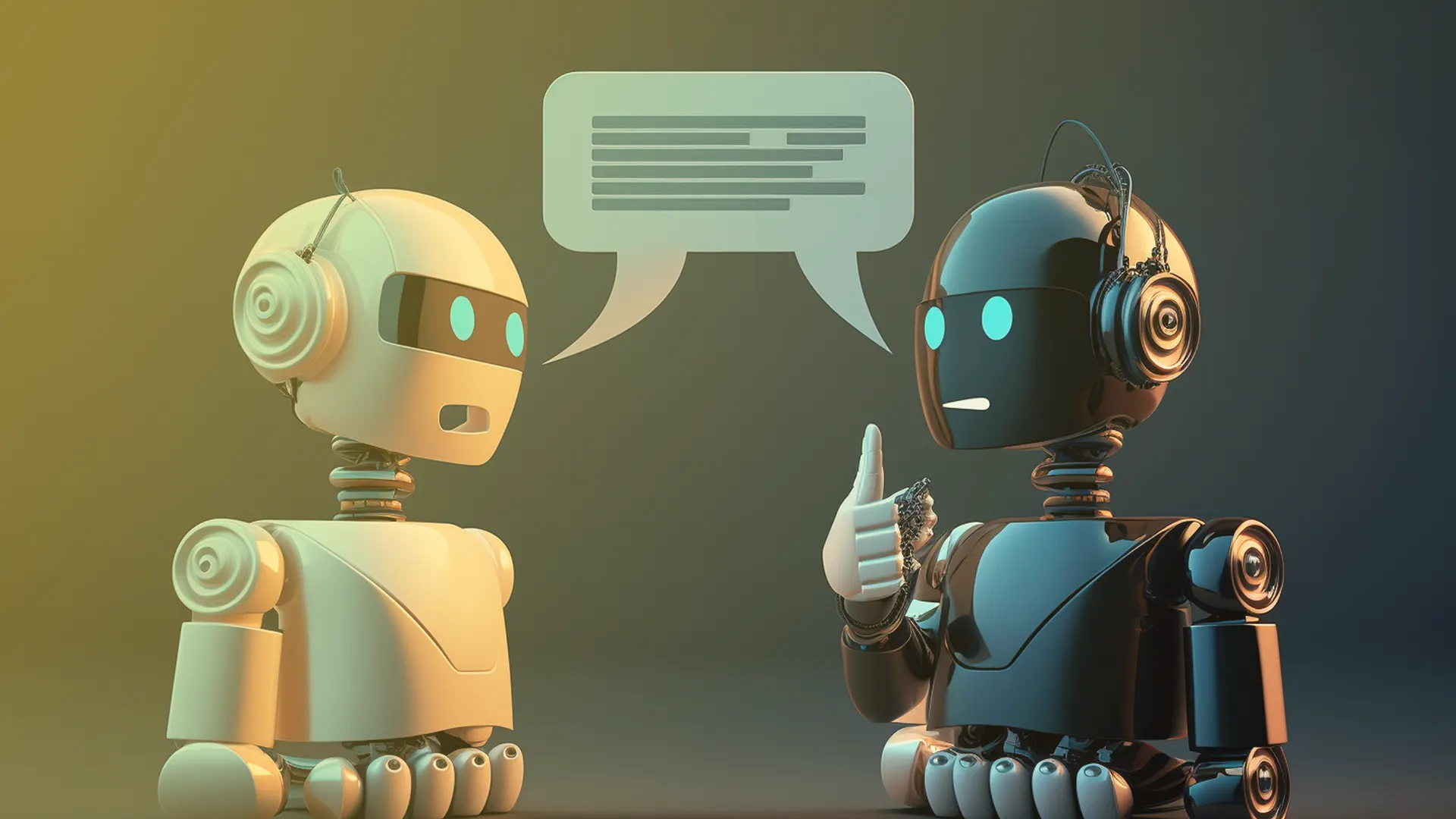
The rapid development of digital technologies has transformed the way organizations interact with customers. As customer expectations for fast, accessible, and convenient service continue to grow, businesses increasingly rely on automated solutions to manage large volumes of inquiries efficiently. Among the most significant technological innovations in customer service is the use of chatbots. Chatbots are computer programs designed to simulate human conversation and provide automated responses to customer queries through messaging platforms, websites, and mobile applications.
In recent years, chatbots have become an integral component of customer service strategies across various industries. By utilizing technologies such as artificial intelligence (AI), natural language processing (NLP), and machine learning, chatbots are capable of understanding customer requests, delivering relevant information, and performing routine tasks without human intervention. This capability enables organizations to provide continuous support, reduce operational costs, and enhance customer satisfaction.
From an academic perspective, chatbots are considered digital agents that facilitate communication between businesses and customers. They function as automated intermediaries that can answer questions, guide users through processes, and assist with problem resolution. While chatbots do not completely replace human service representatives, they complement human efforts by handling repetitive or simple inquiries, allowing human agents to focus on more complex or sensitive issues.
This article examines the role of chatbots in customer service, exploring their functions, benefits, applications, limitations, and future implications for service management.
Definition and Concept of Chatbots
A chatbot is a software application designed to simulate human conversation through text or voice interactions. Chatbots communicate with users through messaging interfaces such as websites, mobile applications, social media platforms, or messaging services.
Chatbots typically operate using one of two primary approaches:
-
Rule-based chatbots – These chatbots follow predefined scripts and respond to specific keywords or commands. They are designed to handle structured conversations and common questions.
-
AI-powered chatbots – These chatbots use artificial intelligence and natural language processing to interpret user input, understand context, and generate more flexible and intelligent responses.
The increasing sophistication of AI technologies has enabled modern chatbots to handle more complex interactions and provide personalized responses based on user data and previous interactions.
Key Functions of Chatbots in Customer Service
Chatbots perform several important functions within customer service operations. Their primary responsibilities include handling routine inquiries, guiding customers through processes, and providing quick access to information.
Answering Frequently Asked Questions
One of the most common uses of chatbots is responding to frequently asked questions (FAQs). Customers often seek information about topics such as product features, pricing, order status, return policies, or account management.
Chatbots can quickly provide standardized answers to these questions, reducing the need for human intervention and enabling customers to obtain information instantly.
Providing 24/7 Customer Support
Unlike human agents, chatbots can operate continuously without breaks. This allows organizations to offer customer service at all times, including nights, weekends, and holidays.
Round-the-clock support is particularly valuable for companies that serve global customers across multiple time zones.
Assisting with Customer Navigation
Chatbots often serve as digital guides that help customers navigate websites or applications. For example, a chatbot may assist users in locating specific products, accessing support resources, or completing transactions.
This functionality improves the usability of digital platforms and enhances the overall customer experience.
Managing High Volumes of Requests
Customer service teams often experience periods of high demand, particularly during product launches, promotions, or service disruptions. Chatbots help manage these situations by handling large numbers of simultaneous inquiries.
By filtering and resolving simple issues automatically, chatbots prevent service queues from becoming overwhelmed.
Collecting Customer Information
Chatbots can gather information from customers before transferring interactions to human agents. For instance, they may ask customers to describe their issue, provide account details, or select a service category.
This preliminary data collection enables human agents to understand the problem quickly and provide more efficient assistance.
Benefits of Chatbots in Customer Service
The integration of chatbots into customer service operations offers several benefits for organizations and customers.
Increased Efficiency
Chatbots automate routine tasks, reducing the workload of customer service teams. This allows human agents to focus on complex or high-value interactions that require empathy, judgment, or specialized knowledge.
Faster Response Times
Customers often expect immediate responses when contacting support services. Chatbots provide instant replies, eliminating wait times associated with traditional customer service channels.
Cost Reduction
Automating customer interactions can significantly reduce operational costs. Organizations can handle a larger volume of inquiries without expanding their customer service workforce.
Improved Customer Experience
Quick responses, easy access to information, and continuous availability contribute to a more convenient customer experience. Chatbots also reduce frustration caused by long waiting times.
Scalability
Chatbots enable organizations to scale customer service operations efficiently. During periods of increased demand, chatbots can manage additional interactions without requiring additional staff.
Applications of Chatbots in Customer Service
Chatbots are widely used across multiple industries and service contexts.
E-commerce
In online retail, chatbots assist customers with product recommendations, order tracking, payment assistance, and return processes.
Banking and Financial Services
Financial institutions use chatbots to help customers check account balances, review transactions, locate branches, and receive financial information.
Telecommunications
Telecommunication companies deploy chatbots to assist with service activation, billing inquiries, and troubleshooting technical issues.
Travel and Hospitality
Travel companies use chatbots to manage bookings, provide itinerary information, and assist customers with travel-related inquiries.
These applications demonstrate the versatility of chatbots in handling diverse customer service tasks.
Limitations of Chatbots
Despite their advantages, chatbots have several limitations that organizations must consider.
Limited Understanding of Complex Issues
Chatbots may struggle to interpret complex or ambiguous requests, particularly when conversations deviate from expected patterns.
Lack of Emotional Intelligence
Customer service interactions sometimes require empathy and emotional sensitivity. Chatbots lack the ability to fully understand or respond to emotional cues.
Dependence on Data and Programming
The effectiveness of chatbots depends on the quality of their training data and programming. Poorly designed chatbots may provide inaccurate or irrelevant responses.
Customer Preference for Human Interaction
Some customers prefer speaking with human agents, especially when dealing with complicated or sensitive problems.
To address these limitations, many organizations adopt hybrid models in which chatbots handle simple tasks while human agents manage complex cases.
Future Developments in Chatbot Technology
Advances in artificial intelligence and machine learning are expected to enhance the capabilities of chatbots in the future. Emerging developments include:
-
Improved natural language understanding
-
Voice-enabled chatbot interactions
-
Emotional recognition technologies
-
Integration with predictive analytics systems
These innovations will allow chatbots to provide more personalized, accurate, and context-aware responses.
Conclusion
Chatbots have become an essential tool in modern customer service strategies. By automating routine interactions, providing instant responses, and supporting continuous availability, chatbots help organizations manage customer inquiries efficiently while improving overall service quality.
Although chatbots cannot fully replace human service representatives, they complement human support by handling repetitive tasks and assisting with initial customer interactions. The integration of chatbots into customer service operations enables organizations to reduce costs, improve scalability, and deliver faster, more convenient service experiences.
As artificial intelligence technologies continue to evolve, chatbots are expected to play an even greater role in shaping the future of customer service, helping businesses meet the growing expectations of digitally connected customers.
- Arts
- Business
- Computers
- Игры
- Health
- Главная
- Kids and Teens
- Деньги
- News
- Personal Development
- Recreation
- Regional
- Reference
- Science
- Shopping
- Society
- Sports
- Бизнес
- Деньги
- Дом
- Досуг
- Здоровье
- Игры
- Искусство
- Источники информации
- Компьютеры
- Личное развитие
- Наука
- Новости и СМИ
- Общество
- Покупки
- Спорт
- Страны и регионы
- World

 English
 French
 Spanish
 Portuguese
 Deutsch
 Turkish
 Dutch
Dutch
 Italiano
 Arabic
 Romaian
 Portuguese (Brazil)
 Greek
Greek
