
What is the difference between urgent and important tasks?
What Is the Difference Between Urgent and Important Tasks?
In the realm of productivity and time management, few concepts are as fundamental—and as frequently misunderstood—as the distinction between urgent and important tasks. Many people struggle not because they lack motivation or discipline, but because they spend too much time reacting to urgency rather than focusing on what truly matters.
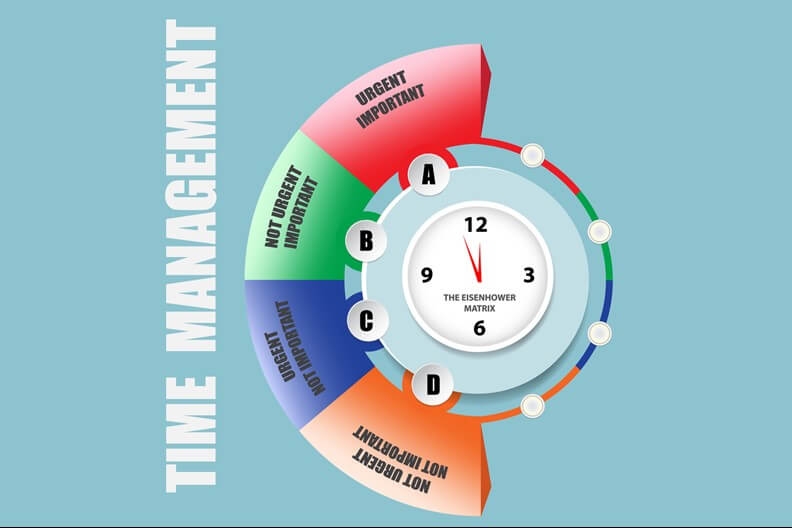
Understanding the difference between urgent and important tasks is essential for effective prioritization, better decision-making, and long-term success. This concept is central to many productivity frameworks, especially the Eisenhower Matrix, which was inspired by Dwight D. Eisenhower.
This article explores what urgent and important tasks are, how they differ, why people confuse them, and how to manage both effectively.
Defining Urgent Tasks
Urgent tasks are tasks that require immediate attention. They are time-sensitive and often come with deadlines or consequences if not completed quickly.
Urgent tasks typically:
-
Demand quick action
-
Are associated with deadlines
-
Often involve external pressure
-
Interrupt your current workflow
Examples of Urgent Tasks
-
Responding to a critical email
-
Meeting a deadline due today
-
Fixing an unexpected problem at work
-
Handling an emergency situation
-
Attending a scheduled meeting
Urgent tasks create a sense of pressure and immediacy. They often feel unavoidable because they require attention right now.
Defining Important Tasks
Important tasks, on the other hand, are tasks that contribute to long-term goals, values, and meaningful outcomes.
Important tasks typically:
-
Align with your goals and priorities
-
Produce long-term benefits
-
Require planning and effort
-
May not have immediate deadlines
Examples of Important Tasks
-
Planning a long-term project
-
Learning new skills
-
Exercising and maintaining health
-
Building relationships
-
Strategic thinking and decision-making
Important tasks are not always urgent, but they are critical for long-term success and growth.
Key Differences Between Urgent and Important Tasks
Although urgent and important tasks may sometimes overlap, they are fundamentally different concepts.
1. Time Sensitivity
-
Urgent tasks: Require immediate action
-
Important tasks: Can often be scheduled for later
Urgent tasks are driven by time pressure, while important tasks are driven by value.
2. Impact on Goals
-
Urgent tasks: May or may not contribute to long-term goals
-
Important tasks: Directly contribute to long-term success
A task can be urgent without being meaningful.
3. Source of Pressure
-
Urgent tasks: Often driven by external demands (emails, deadlines, requests)
-
Important tasks: Usually internally driven (personal goals, values)
This distinction explains why urgent tasks often feel more pressing.
4. Emotional Response
-
Urgent tasks: Create stress and a sense of urgency
-
Important tasks: Require discipline and focus
People tend to react quickly to urgency but may delay important work because it lacks immediate pressure.
The Four Task Categories
To better understand the relationship between urgency and importance, tasks can be categorized into four groups (as used in the Eisenhower Matrix):
1. Urgent and Important
These tasks require immediate attention and have significant consequences.
Examples:
-
Completing a deadline due today
-
Handling emergencies
-
Solving critical problems
These tasks should be completed immediately.
2. Important but Not Urgent
These tasks are critical for long-term success but do not require immediate action.
Examples:
-
Planning future projects
-
Developing skills
-
Building relationships
-
Maintaining health
These tasks should be scheduled and prioritized consistently.
3. Urgent but Not Important
These tasks demand attention but do not significantly contribute to your goals.
Examples:
-
Interruptions
-
Non-essential emails
-
Minor requests
These tasks should be delegated or minimized.
4. Not Urgent and Not Important
These tasks provide little to no value and should generally be avoided.
Examples:
-
Excessive social media use
-
Unnecessary meetings
-
Time-wasting activities
These tasks should be eliminated whenever possible.
Why People Confuse Urgent and Important Tasks
Many people struggle to distinguish between urgent and important tasks. This confusion leads to poor prioritization and reduced productivity.
1. Urgency Feels More Pressing
Urgent tasks demand attention immediately, making them feel more important than they actually are.
2. External Pressure
Requests from others often appear urgent, even if they are not important to your goals.
3. Lack of Clear Goals
Without clear long-term goals, it becomes difficult to identify which tasks are truly important.
4. Instant Gratification
Completing urgent tasks provides quick satisfaction, while important tasks often require delayed rewards.
The Cost of Focusing Only on Urgent Tasks
Many people fall into the trap of constantly reacting to urgent tasks. This leads to several problems:
1. Neglect of Long-Term Goals
Important tasks are often postponed, resulting in little progress toward meaningful objectives.
2. Increased Stress
Constant urgency creates a reactive workflow, leading to burnout and fatigue.
3. Poor Time Management
Time is spent on tasks that may not produce significant results.
4. Crisis Mode Living
When important tasks are ignored, they often become urgent later, creating a cycle of stress.
Why Important Tasks Matter More
Important tasks are the foundation of long-term success. While urgent tasks keep things running, important tasks move you forward.
Benefits of Focusing on Important Tasks
-
Achieving long-term goals
-
Improving skills and knowledge
-
Building meaningful relationships
-
Preventing future problems
-
Creating sustainable success
Investing time in important tasks reduces future urgency and improves overall productivity.
How to Prioritize Effectively
Understanding the difference between urgent and important is only the first step. The next step is applying that knowledge.
1. Identify Your Goals
Clearly define your long-term goals. This helps you recognize which tasks are truly important.
2. Evaluate Each Task
Ask yourself:
-
Is this task urgent?
-
Is this task important?
-
What happens if I don’t complete it?
This helps categorize tasks accurately.
3. Schedule Important Tasks
Important tasks should not be left to chance. Assign them specific time slots in your schedule.
4. Limit Urgent Distractions
Not all urgent tasks require your attention. Learn to:
-
Delegate tasks
-
Delay non-critical requests
-
Set boundaries
5. Review Regularly
Priorities change over time. Regularly reviewing your tasks ensures that your focus remains aligned with your goals.
Practical Example
Consider the following scenario:
You have:
-
A report due tomorrow
-
A long-term project due next month
-
Emails to respond to
-
Time spent browsing social media
Prioritization:
-
Report → Urgent and Important
-
Long-term project → Important but Not Urgent
-
Emails → Urgent but Not Important
-
Social media → Not Urgent and Not Important
An effective approach would be:
-
Complete the report
-
Schedule time for the long-term project
-
Handle emails efficiently
-
Limit social media usage
This approach ensures both immediate responsibilities and long-term goals are addressed.
Strategies to Balance Urgent and Important Tasks
1. Use Time Blocking
Schedule time specifically for important tasks to ensure they are completed consistently.
2. Apply the 80/20 Rule
Focus on the 20% of tasks that produce 80% of results.
3. Set Boundaries
Reduce interruptions by limiting unnecessary meetings or notifications.
4. Plan Ahead
Planning reduces the number of urgent tasks by addressing important work early.
Common Mistakes
1. Treating Everything as Urgent
Not all tasks require immediate attention. Overestimating urgency leads to poor prioritization.
2. Ignoring Important Tasks
Delaying important tasks can cause them to become urgent later.
3. Overloading Your Schedule
Trying to do too much reduces focus and efficiency.
4. Lack of Reflection
Without reviewing tasks, priorities may become unclear.
Final Thoughts
The difference between urgent and important tasks is a cornerstone of effective time management and productivity. Urgent tasks demand immediate attention, while important tasks contribute to long-term success and meaningful outcomes.
The key to productivity is not simply getting things done, but getting the right things done. By focusing on important tasks while managing urgent ones effectively, individuals can reduce stress, improve efficiency, and achieve lasting results.
Mastering this distinction allows you to move from a reactive lifestyle—driven by deadlines and interruptions—to a proactive one, guided by purpose, priorities, and long-term goals.
- Arts
- Business
- Computers
- Jeux
- Health
- Domicile
- Kids and Teens
- Argent
- News
- Personal Development
- Recreation
- Regional
- Reference
- Science
- Shopping
- Society
- Sports
- Бизнес
- Деньги
- Дом
- Досуг
- Здоровье
- Игры
- Искусство
- Источники информации
- Компьютеры
- Личное развитие
- Наука
- Новости и СМИ
- Общество
- Покупки
- Спорт
- Страны и регионы
- World

 English
 Russian
 Spanish
 Portuguese
 Deutsch
 Turkish
 Dutch
Dutch
 Italiano
 Arabic
 Romaian
 Portuguese (Brazil)
 Greek
Greek
