
How Does Knowledge Capital Affect Productivity?
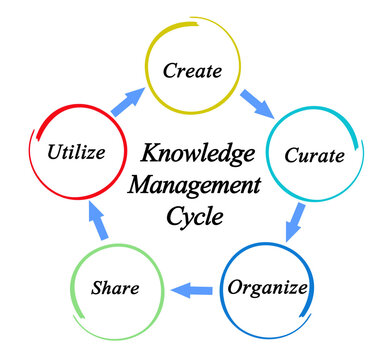
Productivity is one of the most important indicators of organizational performance. Companies constantly seek ways to improve efficiency, reduce waste, and increase output. While traditional factors such as technology and infrastructure play a role, one of the most powerful drivers of productivity today is knowledge capital.
Knowledge capital—comprising employee expertise, organizational processes, and intellectual assets—directly influences how efficiently work is performed. Organizations that effectively utilize their knowledge resources can achieve higher productivity, better results, and sustainable growth.
In a knowledge-based economy, productivity is no longer just about working harder; it is about working smarter. And working smarter depends on how well knowledge is created, shared, and applied.
In this article, we will explore how knowledge capital affects productivity, the mechanisms behind it, and how organizations can leverage it to improve performance.
What is Knowledge Capital?
Knowledge capital refers to the value of knowledge within an organization.
It includes:
- Employee skills and expertise
- Organizational processes
- Information and data
- Intellectual property
In simple terms, knowledge capital is the knowledge that enables efficient and effective work.
What is Productivity?
Productivity refers to the efficiency with which resources are used to produce output.
It involves:
- Output quality
- Speed of work
- Resource utilization
Higher productivity means achieving more results with fewer resources.
How Knowledge Capital Affects Productivity
1. Improves Employee Efficiency
Knowledgeable employees can perform tasks faster and more accurately.
Benefits:
- Reduced errors
- Faster completion of tasks
- Better problem-solving
2. Enhances Decision-Making
Access to knowledge leads to better decisions.
Impact:
- Reduced delays
- More effective strategies
- Improved outcomes
3. Streamlines Processes
Organizational knowledge helps optimize workflows.
Examples:
- Standard operating procedures (SOPs)
- Best practices
- Automated systems
4. Reduces Redundancy
Shared knowledge prevents duplication of work.
Benefits:
- Saves time
- Improves coordination
- Increases efficiency
5. Supports Innovation
Innovative solutions improve productivity.
Examples:
- New tools and technologies
- Process improvements
- Creative problem-solving
6. Enhances Collaboration
Knowledge sharing improves teamwork.
Results:
- Better communication
- Faster project completion
- Improved outcomes
7. Enables Continuous Improvement
Organizations can learn and improve over time.
Benefits:
- Ongoing optimization
- Increased efficiency
- Better performance
Role of HR in Enhancing Productivity Through Knowledge Capital
HR plays a key role in developing and utilizing knowledge capital.
Responsibilities include:
- Training and development
- Performance management
- Encouraging knowledge sharing
- Supporting collaboration
Examples of Knowledge Capital Improving Productivity
1. Skilled Workforce
Employees with expertise complete tasks efficiently.
2. Knowledge Management Systems
Quick access to information improves performance.
3. Standardized Processes
Consistency reduces errors and delays.
4. Training Programs
Improved skills lead to better productivity.
Challenges in Using Knowledge Capital for Productivity
1. Knowledge Silos
Information not shared across teams.
2. Outdated Knowledge
Old information can reduce efficiency.
3. Lack of Training
Employees may not have necessary skills.
4. Poor Systems
Inefficient tools can hinder productivity.
Strategies to Improve Productivity Through Knowledge Capital
1. Promote Knowledge Sharing
Encourage collaboration and communication.
2. Invest in Training
Develop employee skills continuously.
3. Use Technology
Implement knowledge management systems.
4. Standardize Processes
Create clear guidelines and procedures.
5. Encourage Innovation
Support new ideas and improvements.
Role of Technology
Technology enhances productivity through knowledge capital.
Tools include:
- Collaboration platforms
- Knowledge management systems
- Automation tools
Knowledge Capital and Productivity in the Digital Age
Digital transformation has increased the impact of knowledge capital.
Trends include:
- Remote work
- Digital collaboration
- Real-time data access
Benefits of Knowledge Capital for Productivity
For Organizations:
- Increased efficiency
- Reduced costs
- Improved performance
For Employees:
- Easier access to information
- Skill development
- Better work experience
Future of Knowledge Capital and Productivity
1. AI Integration
Automation of knowledge processes.
2. Data-Driven Productivity
Using analytics to improve efficiency.
3. Continuous Learning
Ongoing skill development.
4. Smart Work Environments
Technology-enabled workplaces.
Best Practices for Leveraging Knowledge Capital
1. Build a Learning Culture
Encourage continuous improvement.
2. Use Modern Tools
Implement advanced technology.
3. Share Knowledge
Promote collaboration across teams.
4. Monitor Performance
Track productivity metrics.
5. Update Knowledge Regularly
Keep information current.
Conclusion
Knowledge capital plays a critical role in improving productivity by enabling employees to work smarter, make better decisions, and collaborate effectively. It enhances efficiency, reduces errors, and supports continuous improvement.
HR plays a vital role in developing and managing knowledge capital through training, performance management, and knowledge-sharing initiatives. Organizations that effectively leverage knowledge capital can achieve higher productivity and long-term success.
In a knowledge-driven world, productivity is directly linked to how well organizations use their knowledge resources.
- Arts
- Business
- Computers
- Игры
- Health
- Главная
- Kids and Teens
- Деньги
- News
- Personal Development
- Recreation
- Regional
- Reference
- Science
- Shopping
- Society
- Sports
- Бизнес
- Деньги
- Дом
- Досуг
- Здоровье
- Игры
- Искусство
- Источники информации
- Компьютеры
- Личное развитие
- Наука
- Новости и СМИ
- Общество
- Покупки
- Спорт
- Страны и регионы
- World

 English
 French
 Spanish
 Portuguese
 Deutsch
 Turkish
 Dutch
Dutch
 Italiano
 Arabic
 Romaian
 Portuguese (Brazil)
 Greek
Greek
