
How do I manage time effectively for work-life balance?
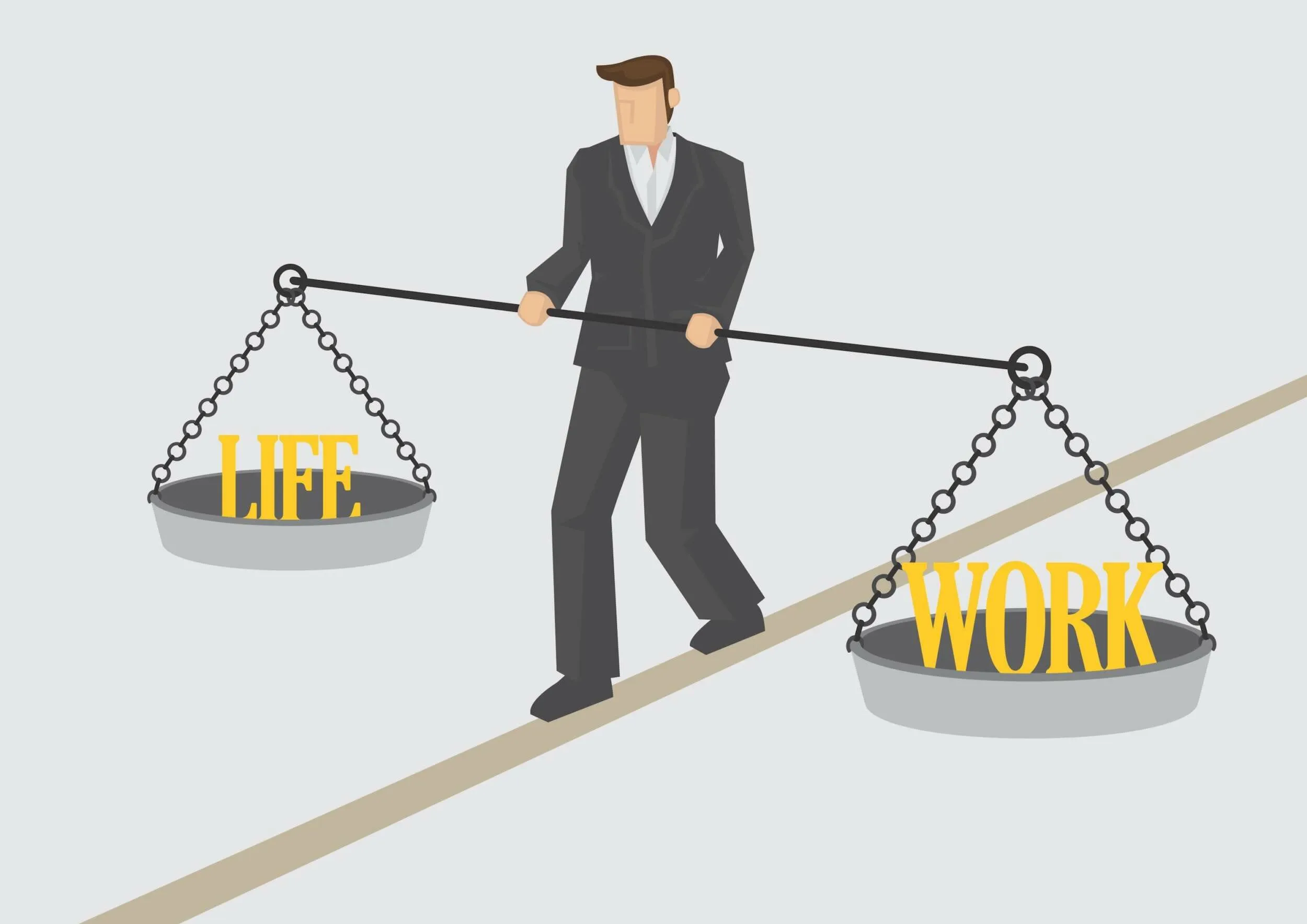
How Do I Manage Time Effectively for Work-Life Balance?
Time management and work-life balance are deeply interconnected. You cannot meaningfully improve one without improving the other. Poor time management leads to work spilling into personal life, while lack of balance often results in fatigue that reduces your ability to manage time effectively in the first place.
However, managing time effectively is not just about using calendars or productivity tools. It is about designing a system that aligns your responsibilities, energy levels, and priorities in a sustainable structure. The goal is not to maximize output at all costs—it is to create a rhythm where work and life can coexist without constant conflict.
This article explores a structured, practical approach to managing time in a way that supports both productivity and personal well-being.
1. Understand the Relationship Between Time and Balance
Many people treat time management and work-life balance as separate concepts. In reality, they are the same system viewed from different angles.
Poor time management leads to:
-
Overworking
-
Missed personal commitments
-
Constant stress and urgency
Good time management leads to:
-
Clear work boundaries
-
Predictable schedules
-
Time for rest and recovery
Balance is not something you “find.” It is something you design through time allocation.
2. Start With Clear Priorities
Time management begins with deciding what matters most.
Key life domains:
-
Work and career
-
Health (physical and mental)
-
Relationships
-
Personal development
-
Rest and recreation
Strategy:
-
Rank these areas based on current life goals
-
Allocate time intentionally according to priorities
Without priorities, your time will be consumed by urgency rather than importance.
3. Use Time Blocking as Your Core System
Time blocking is one of the most effective time management methods for maintaining balance.
What it is:
Assigning specific time slots to specific types of activities.
Example structure:
-
09:00–12:00 → Deep work
-
12:00–13:00 → Break/lunch
-
13:00–17:00 → Meetings and tasks
-
17:00–19:00 → Personal time
Benefits:
-
Prevents work from expanding uncontrollably
-
Creates structure and predictability
-
Ensures personal time is protected
Time blocking turns intention into action.
4. Separate Work Time and Personal Time Clearly
Blurring boundaries is one of the main causes of imbalance.
Common issues:
-
Working during personal hours
-
Checking messages constantly
-
Switching between roles throughout the day
Solution:
-
Define clear working hours
-
Stick to a consistent schedule
-
Avoid mixing work and personal activities
Separation creates mental clarity and reduces fatigue.
5. Prioritize High-Impact Tasks First
Not all tasks contribute equally to your goals.
Principle:
Focus on tasks that produce the greatest results with the least wasted effort.
Strategy:
-
Identify your most important tasks each day
-
Complete them during your peak energy hours
-
Avoid spending peak time on low-value work
This ensures that limited time is used effectively.
6. Manage Energy, Not Just Time
Time is fixed, but energy fluctuates throughout the day.
Key energy levels:
-
High energy → Deep focus tasks
-
Medium energy → Meetings and collaboration
-
Low energy → Administrative tasks
Strategy:
-
Align tasks with energy levels
-
Avoid forcing high-focus work when mentally drained
Energy mismanagement leads to inefficiency and overtime work.
7. Build a Structured Daily Routine
Routines reduce decision fatigue and improve consistency.
Core routines:
-
Morning routine (start of day structure)
-
Work startup routine (transition into focus mode)
-
Shutdown routine (end-of-day closure)
Benefits:
-
Faster transitions between work and life
-
Reduced mental friction
-
Increased consistency in time usage
Routines automate behavior, saving both time and energy.
8. Avoid Overcommitment
One of the biggest threats to time management is saying yes too often.
Causes:
-
Fear of missing opportunities
-
Difficulty saying no
-
Lack of prioritization
Solution:
-
Evaluate each commitment before accepting
-
Decline low-priority tasks
-
Protect your schedule intentionally
Every “yes” has a time cost.
9. Use the 80/20 Rule (Pareto Principle)
A small portion of your activities produces most of your results.
Application:
-
Identify the 20% of tasks that produce 80% of outcomes
-
Focus your time on those tasks
-
Reduce or eliminate low-impact work
This principle improves efficiency dramatically.
10. Schedule Personal Time Like Work Time
If personal time is not scheduled, it will be overwritten by work.
Strategy:
-
Block time for exercise, hobbies, and relationships
-
Treat personal time as non-negotiable
Example:
-
18:00–19:00 → Exercise
-
19:00–21:00 → Family or relaxation
This ensures balance is built into your system.
11. Eliminate Time-Wasting Activities
Many small activities accumulate into significant time loss.
Common time-wasters:
-
Excessive social media use
-
Unstructured browsing
-
Unnecessary meetings
Solution:
-
Track your time usage
-
Identify low-value activities
-
Reduce or eliminate them
Time saved can be redirected toward meaningful work or rest.
12. Use Breaks Strategically
Breaks are essential for maintaining productivity and balance.
Benefits:
-
Improved focus
-
Reduced burnout
-
Better long-term efficiency
Strategy:
-
Take short breaks every 60–90 minutes
-
Step away from work mentally and physically
Breaks help sustain performance within structured time blocks.
13. Create a Clear End to the Workday
Without a defined end point, work tends to expand into personal time.
Solution:
-
Set a fixed end-of-work time
-
Use a shutdown routine
-
Stop checking work messages afterward
This creates a clean separation between work and life.
14. Minimize Context Switching
Switching between tasks reduces efficiency and wastes time.
Problems caused by multitasking:
-
Slower task completion
-
Increased mental fatigue
-
Reduced quality of work
Solution:
-
Focus on one task at a time
-
Batch similar tasks together
Single-tasking improves both speed and accuracy.
15. Use Planning to Reduce Daily Decision Fatigue
Unplanned days lead to reactive behavior.
Strategy:
-
Plan the next day in advance
-
Define top priorities
-
Allocate time blocks
Planning reduces unnecessary thinking during the day.
16. Limit Digital Distractions
Digital tools can either support or disrupt time management.
Common issues:
-
Constant notifications
-
Email interruptions
-
Social media distractions
Solution:
-
Turn off non-essential notifications
-
Use focused work modes
-
Check messages at set intervals
Control your digital environment, or it will control your time.
17. Build Buffer Time Into Your Schedule
Overly tight schedules lead to stress and imbalance.
Problem:
-
No flexibility for unexpected tasks
Solution:
-
Add buffer time between tasks
-
Avoid back-to-back scheduling
Buffers reduce pressure and improve adaptability.
18. Reflect and Adjust Regularly
Time management is not static—it evolves.
Weekly reflection:
-
Did I maintain balance this week?
-
Where did I lose time?
-
What can be improved?
Continuous adjustment ensures long-term sustainability.
19. Align Time Use With Long-Term Goals
Short-term efficiency is not enough—you need alignment.
Ask:
-
Does this activity support my long-term goals?
-
Is this worth my time investment?
Time should be spent intentionally, not reactively.
20. Protect Recovery Time
Rest is a core component of effective time management.
Without recovery:
-
Productivity declines
-
Stress increases
-
Mistakes become more frequent
Strategy:
-
Prioritize sleep
-
Schedule downtime
-
Avoid work during rest periods
Recovery is essential for sustained performance.
Conclusion
Managing time effectively for work-life balance is not about doing more—it is about structuring your time so that both work and personal life are respected and supported.
The most effective principles include:
-
Time blocking
-
Clear separation of work and personal time
-
Prioritization of high-impact tasks
-
Energy management
-
Consistent routines
-
Protection of recovery time
If you want to start immediately:
-
Plan your next day with time blocks
-
Set a fixed end time for work
-
Schedule one personal activity daily
Over time, these systems compound into a stable structure where productivity and balance reinforce each other rather than compete.
- Arts
- Business
- Computers
- Games
- Health
- Home
- Kids and Teens
- Money
- News
- Personal Development
- Recreation
- Regional
- Reference
- Science
- Shopping
- Society
- Sports
- Бизнес
- Деньги
- Дом
- Досуг
- Здоровье
- Игры
- Искусство
- Источники информации
- Компьютеры
- Личное развитие
- Наука
- Новости и СМИ
- Общество
- Покупки
- Спорт
- Страны и регионы
- World

 Russian
 French
 Spanish
 Portuguese
 Deutsch
 Turkish
 Dutch
Dutch
 Italiano
 Arabic
 Romaian
 Portuguese (Brazil)
 Greek
Greek