
What Are the Effects of Offshoring on Developing Countries?
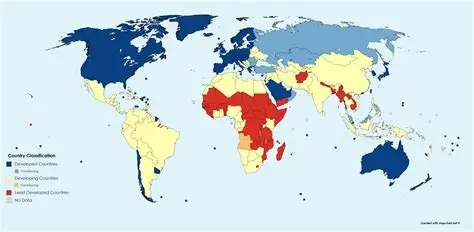
Offshoring has played a major role in shaping the economies of developing countries. By transferring jobs, production, and services from higher-income nations to lower-cost regions, offshoring has created both opportunities and challenges for these economies.
For many developing countries, offshoring has been a key driver of economic growth, industrialization, and integration into the global economy. However, it also brings risks such as dependency, inequality, and environmental concerns.
This article explores the economic, social, and structural effects of offshoring on developing countries.
Understanding Offshoring in Developing Economies
Developing countries often attract offshoring because they offer:
- Lower labor costs
- Growing talent pools
- Favorable business environments
- Government incentives
These factors make them attractive destinations for global companies.
1. Job Creation and Employment Growth
One of the most significant benefits is job creation.
New Employment Opportunities
Offshoring leads to the creation of jobs in:
- Manufacturing
- IT services
- Customer support
- Business process outsourcing (BPO)
Impact
- Reduced unemployment
- Increased labor force participation
- Growth of urban employment
2. Economic Growth and GDP Expansion
Offshoring contributes to national economic growth.
Increased Production
More business activity leads to higher output.
Foreign Direct Investment (FDI)
Companies invest in infrastructure, offices, and operations.
Impact
- Higher GDP
- Increased government revenue
- Stronger economic performance
3. Skill Development and Human Capital Growth
Offshoring helps develop workforce skills.
Training and Education
Workers gain:
- Technical skills
- Language skills
- Professional experience
Knowledge Transfer
Global companies introduce new technologies and practices.
Impact
- Improved workforce quality
- Long-term economic development
4. Infrastructure Development
Offshoring drives improvements in infrastructure.
Investments
Governments and companies invest in:
- Roads
- Internet connectivity
- Office spaces
- Technology systems
Impact
Better infrastructure supports broader economic growth.
5. Growth of New Industries
Offshoring helps create and expand industries.
Emerging Sectors
- IT services
- Call centers
- Financial services
- Manufacturing hubs
Impact
Diversification of the economy and reduced reliance on agriculture or raw materials.
6. Rising Wages and Living Standards
Offshoring can increase income levels.
Wage Growth
Demand for labor leads to higher wages compared to local averages.
Improved Living Conditions
Workers benefit from:
- Better income
- Access to education and healthcare
- Higher consumption
Impact
Expansion of the middle class.
7. Increased Global Integration
Offshoring connects developing countries to the global economy.
Trade and Collaboration
Countries become part of global supply chains.
Cultural Exchange
Exposure to international business practices.
Impact
Greater participation in globalization.
8. Income Inequality
Offshoring can also increase inequality.
Uneven Benefits
- Skilled workers benefit more
- Rural or low-skill populations may be left behind
Impact
Widening income gaps within countries.
9. Dependency on Foreign Companies
Heavy reliance on offshoring can create dependency.
Economic Risk
If companies relocate, jobs and income may disappear.
Limited Control
Local economies depend on external decisions.
Impact
Economic vulnerability.
10. Environmental Concerns
Offshoring can have environmental consequences.
Industrial Activity
Increased manufacturing may lead to:
- Pollution
- Resource depletion
Regulatory Differences
Some countries have weaker environmental protections.
Impact
Long-term environmental challenges.
11. Urbanization
Offshoring contributes to urban growth.
Migration
Workers move to cities for jobs.
Impact
- Expansion of urban areas
- Pressure on housing and services
12. Cultural and Social Changes
Exposure to global business affects society.
Workplace Culture
Adoption of international standards and practices.
Lifestyle Changes
Increased income leads to changes in consumption and behavior.
Impact
Transformation of social structures.
13. Political and Policy Impacts
Governments adjust policies to attract offshoring.
Incentives
- Tax breaks
- Investment-friendly regulations
Reforms
Improvements in education, infrastructure, and governance.
Impact
Policy modernization and economic reform.
14. Risk of Job Instability
Offshored jobs may not always be stable.
Relocation Risk
Companies may move to cheaper locations.
Automation Threat
Some jobs may be replaced by technology.
Impact
Employment uncertainty.
15. Long-Term Development Effects
Offshoring can support long-term growth.
Industrialization
Countries move from low-value to higher-value activities.
Knowledge Economy
Growth of knowledge-based industries.
Impact
Sustainable economic development (if managed well).
Conclusion
Offshoring has a profound impact on developing countries, offering opportunities for job creation, economic growth, and global integration. At the same time, it introduces challenges such as inequality, environmental concerns, and economic dependency.
The overall effect depends on how well countries manage these opportunities and risks. With the right policies and investments, offshoring can serve as a powerful engine for long-term development and prosperity.
- Arts
- Business
- Computers
- Spellen
- Health
- Home
- Kids and Teens
- Money
- News
- Personal Development
- Recreation
- Regional
- Reference
- Science
- Shopping
- Society
- Sports
- Бизнес
- Деньги
- Дом
- Досуг
- Здоровье
- Игры
- Искусство
- Источники информации
- Компьютеры
- Личное развитие
- Наука
- Новости и СМИ
- Общество
- Покупки
- Спорт
- Страны и регионы
- World

 English
 Russian
 French
 Spanish
 Portuguese
 Deutsch
 Turkish
 Italiano
 Arabic
 Romaian
 Portuguese (Brazil)
 Greek
Greek