
How Do Time Zones Affect Offshoring?
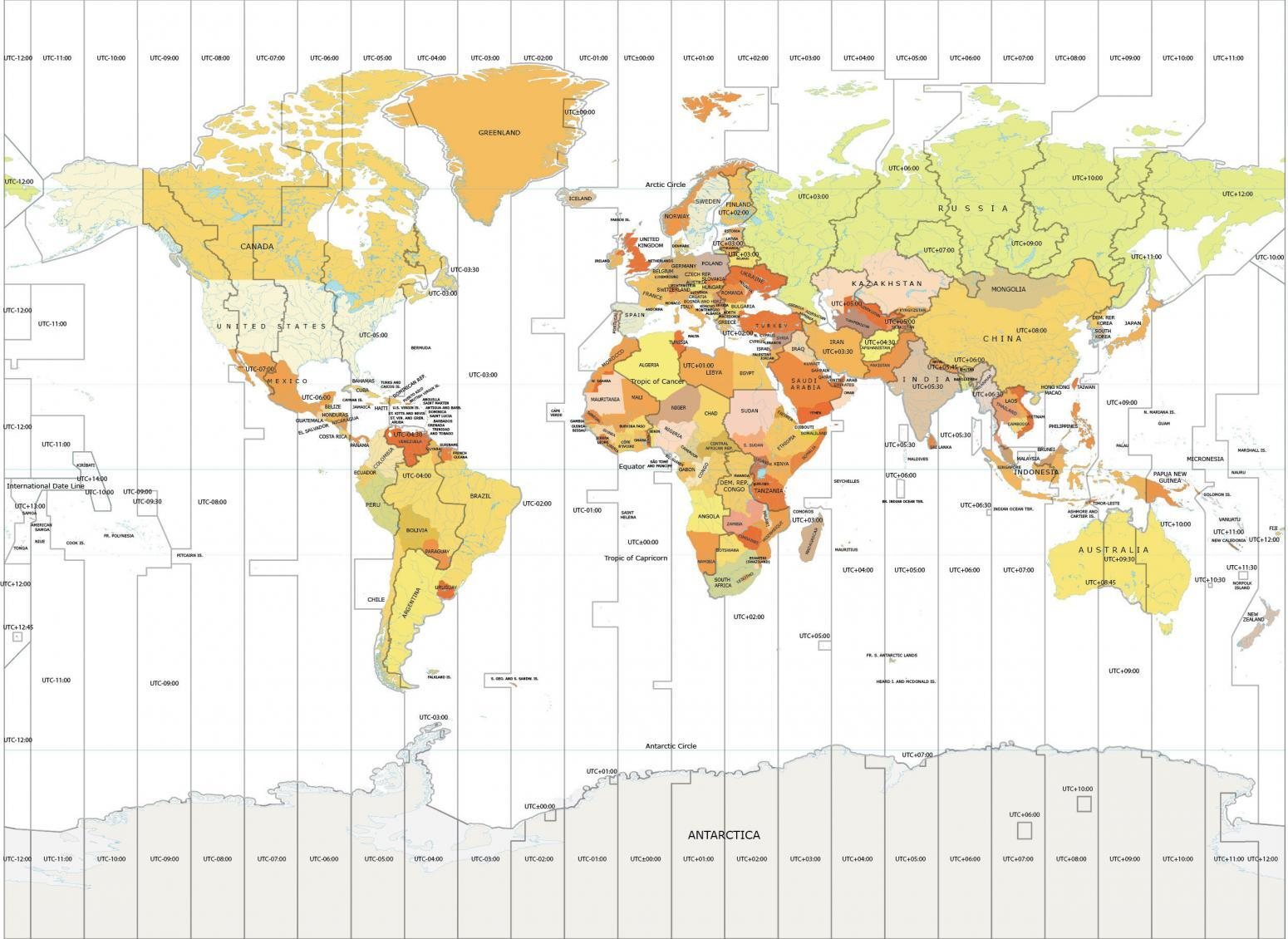
Time zones are one of the most important—and often underestimated—factors in offshoring. When teams are distributed across different parts of the world, differences in working hours can significantly influence communication, productivity, collaboration, and overall business performance.
While time zone differences can create challenges such as delays and coordination difficulties, they can also provide unique advantages, such as enabling 24/7 operations and faster project completion.
This article explores how time zones affect offshoring, including both the challenges and benefits, and how companies manage them effectively.
Understanding Time Zones in Offshoring
Time zones refer to the differences in local time between geographic regions. In offshoring, teams may be separated by several hours—or even operate on completely opposite schedules.
For example:
- A company in Europe working with a team in Asia may have limited overlap
- A company in North America working with Asia may have almost no shared working hours
These differences shape how work is coordinated.
1. Communication Delays
One of the most immediate effects of time zone differences is delayed communication.
Asynchronous Communication
Messages are often sent and answered hours later.
Waiting Time
Questions, approvals, or feedback may take longer to resolve.
Impact
- Slower decision-making
- Delays in project progress
- Reduced responsiveness
2. Limited Overlapping Work Hours
Teams may only share a small window of working time.
Scheduling Challenges
Meetings must be planned carefully within overlapping hours.
Reduced Real-Time Interaction
Less opportunity for immediate discussion or collaboration.
Impact
- Coordination difficulties
- Increased reliance on planning
- Less spontaneous communication
3. Increased Need for Asynchronous Work
Time zones encourage asynchronous workflows.
Independent Task Completion
Teams work on tasks without needing real-time interaction.
Documentation Importance
Clear instructions and records become essential.
Impact
- Greater flexibility
- Reduced need for meetings
- Improved efficiency (if managed well)
4. 24/7 Operations and Continuous Workflow
Time zone differences can be a major advantage.
Follow-the-Sun Model
Work is passed from one team to another across time zones.
Continuous Productivity
Projects progress around the clock.
Impact
- Faster project completion
- Increased output
- Improved customer service availability
5. Faster Turnaround Times
Time zones can speed up processes.
Overnight Progress
Tasks assigned at the end of one workday may be completed by the next.
Reduced Idle Time
Work continues without interruption.
Impact
- Shorter project timelines
- Improved efficiency
6. Work-Life Balance Challenges
Time zone differences can affect employees’ schedules.
Odd Working Hours
Some employees may need to work early mornings or late nights.
Burnout Risk
Irregular schedules can lead to fatigue.
Impact
- Reduced job satisfaction
- Lower productivity over time
7. Meeting Coordination Difficulties
Scheduling meetings across time zones is complex.
Time Conflicts
Convenient times for one team may be inconvenient for another.
Rotating Schedules
Companies may rotate meeting times to share the burden.
Impact
- Scheduling inefficiencies
- Reduced participation in meetings
8. Impact on Team Collaboration
Collaboration is influenced by time differences.
Reduced Real-Time Collaboration
Fewer opportunities for brainstorming and discussion.
Dependency Delays
Work may pause while waiting for input from another team.
Impact
- Slower collaboration
- Increased need for structured processes
9. Importance of Planning and Coordination
Time zones require better planning.
Task Scheduling
Work must be carefully planned to avoid delays.
Workflow Design
Processes must account for time differences.
Impact
- Improved organization
- Greater efficiency when managed properly
10. Role of Technology in Managing Time Zones
Technology helps overcome time-related challenges.
Communication Tools
- Messaging platforms
- Video conferencing
Project Management Tools
- Task tracking
- Shared dashboards
- Deadline management
Impact
Technology enables smooth coordination across time zones.
11. Cultural and Regional Considerations
Time zones often reflect cultural and regional differences.
Work Schedules
Different countries may have different working hours and holidays.
Communication Expectations
Response times and availability may vary.
Impact
Understanding these differences improves collaboration.
12. Customer Service Advantages
Time zones can improve customer support.
Global Coverage
Companies can provide support at all hours.
Faster Response Times
Customers receive assistance regardless of location.
Impact
- Higher customer satisfaction
- Competitive advantage
13. Risk of Misalignment
Time differences can lead to misalignment.
Delayed Feedback
Teams may proceed without immediate clarification.
Conflicting Updates
Work may be duplicated or misunderstood.
Impact
- Errors
- Rework
- Inefficiency
14. Productivity Trade-Offs
Time zones create both gains and losses in productivity.
Gains
- Continuous workflow
- Reduced downtime
Losses
- Delays in communication
- Coordination challenges
Impact
Overall productivity depends on management effectiveness.
15. Strategies to Manage Time Zone Challenges
Companies use various strategies to manage time differences.
Flexible Work Hours
Employees adjust schedules to create overlap.
Clear Documentation
Detailed instructions reduce dependency on real-time communication.
Scheduled Overlap Time
Dedicated hours for meetings and collaboration.
Rotating Meeting Times
Ensures fairness across teams.
Impact
Effective strategies reduce challenges and improve efficiency.
16. Future Trends in Time Zone Management
Increased Remote Work
More companies will operate across multiple time zones.
AI Scheduling Tools
Automation will help coordinate meetings and tasks.
Global Workforce Expansion
Companies will continue to hire talent worldwide.
Impact
Time zone management will become a core business skill.
Conclusion
Time zones play a critical role in offshoring, influencing communication, collaboration, and productivity. While they introduce challenges such as delays and coordination difficulties, they also offer advantages like continuous operations and faster turnaround times.
The key to success lies in effective management—using technology, planning, and flexible work practices to balance the benefits and challenges. Companies that master time zone management can turn a potential obstacle into a powerful competitive advantage in the global economy.
- Arts
- Business
- Computers
- Spiele
- Health
- Startseite
- Kids and Teens
- Geld
- News
- Personal Development
- Recreation
- Regional
- Reference
- Science
- Shopping
- Society
- Sports
- Бизнес
- Деньги
- Дом
- Досуг
- Здоровье
- Игры
- Искусство
- Источники информации
- Компьютеры
- Личное развитие
- Наука
- Новости и СМИ
- Общество
- Покупки
- Спорт
- Страны и регионы
- World

 English
 Russian
 French
 Spanish
 Portuguese
 Turkish
 Dutch
Dutch
 Italiano
 Arabic
 Romaian
 Portuguese (Brazil)
 Greek
Greek
