
What Are the Risks of Offshoring?
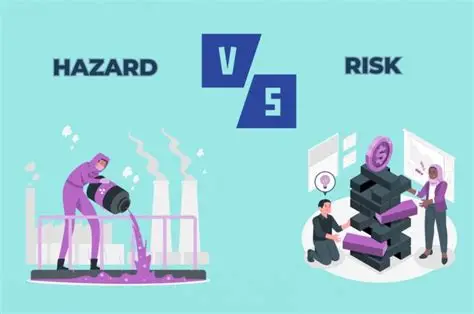
While offshoring offers many advantages such as cost savings, access to global talent, and operational scalability, it also introduces a variety of risks that companies must carefully manage. These risks can affect performance, financial stability, reputation, and long-term strategy.
Understanding the risks of offshoring is essential for making informed decisions and developing effective mitigation strategies. This article explores the major risks associated with offshoring and how organizations can address them.
Understanding Risk in Offshoring
Offshoring risks arise from operating across different countries, cultures, legal systems, and economic environments. These risks can be broadly categorized into:
- Operational risks
- Financial risks
- Strategic risks
- Legal and compliance risks
Managing these risks is critical to achieving successful outcomes.
1. Communication Risks
Communication challenges are one of the most common risks.
Causes
- Language barriers
- Cultural differences
- Lack of clarity in instructions
Impact
- Misunderstandings
- Errors in work
- Reduced efficiency
2. Time Zone Risks
Time differences can create operational challenges.
Issues
- Delayed responses
- Limited overlapping hours
- Coordination difficulties
Impact
- Project delays
- Slower decision-making
3. Quality Risks
Maintaining consistent quality can be difficult.
Causes
- Lack of direct supervision
- Different standards and expectations
- Inadequate training
Impact
- Poor product or service quality
- Customer dissatisfaction
- Increased rework
4. Data Security and Privacy Risks
Offshoring often involves sharing sensitive data.
Threats
- Cyberattacks
- Data breaches
- Unauthorized access
Legal Issues
Different countries have varying data protection laws.
Impact
- Financial loss
- Legal penalties
- Damage to reputation
5. Loss of Control
Companies may lose direct control over operations.
Causes
- Distance from offshore teams
- Dependence on third-party providers
Impact
- Reduced oversight
- Slower response to issues
- Misalignment with goals
6. Hidden Costs
Offshoring may involve unexpected expenses.
Examples
- Training and onboarding
- Communication tools
- Travel costs
- Management overhead
Impact
Reduced cost savings compared to expectations.
7. Cultural Risks
Cultural differences can affect teamwork.
Issues
- Different work styles
- Communication misunderstandings
- Conflict
Impact
- Reduced collaboration
- Lower productivity
8. Legal and Compliance Risks
Operating in foreign countries involves legal complexity.
Challenges
- Different labor laws
- Tax regulations
- Intellectual property protection
Impact
- Legal disputes
- Compliance costs
- Business disruptions
9. Political and Economic Risks
External factors can affect offshore operations.
Political Risks
- Government instability
- Policy changes
Economic Risks
- Currency fluctuations
- Inflation
Impact
- Financial uncertainty
- Operational disruptions
10. Vendor and Third-Party Risks
When offshoring involves outsourcing, third-party risks arise.
Issues
- Poor vendor performance
- Lack of accountability
- Contract disputes
Impact
- Service disruptions
- Quality issues
11. Knowledge Loss Risks
Offshoring can affect organizational knowledge.
Causes
- Transfer of tasks without proper documentation
- Loss of tacit knowledge
Impact
- Reduced innovation
- Dependence on offshore teams
12. Employee Morale Risks
Offshoring can affect employees in the home country.
Issues
- Job insecurity
- Reduced motivation
- Resistance to change
Impact
- Lower productivity
- Higher turnover
13. Reputation Risks
Public perception of offshoring can be negative.
Concerns
- Job losses in home country
- Labor conditions in offshore locations
Impact
- Brand damage
- Customer backlash
14. Supply Chain Risks
Offshoring contributes to complex global supply chains.
Issues
- Disruptions due to global events
- Dependence on foreign suppliers
Impact
- Delays
- Increased costs
15. Strategic Risks
Offshoring decisions can affect long-term strategy.
Risks
- Overdependence on offshore operations
- Loss of core competencies
Impact
- Reduced flexibility
- Competitive disadvantage
16. Technological Risks
Technology plays a key role in offshoring.
Issues
- System failures
- Cybersecurity threats
- Integration challenges
Impact
- Operational disruptions
- Data loss
Risk Mitigation Strategies
Companies can reduce risks through:
- Careful location selection
- Strong communication systems
- Clear contracts and SLAs
- Robust data security measures
- Continuous monitoring and evaluation
- Investment in training and leadership
Balancing Risks and Benefits
Offshoring involves trade-offs.
Benefits
- Cost savings
- Access to talent
- Scalability
Risks
- Operational complexity
- Security concerns
- Quality challenges
Key Insight
Effective management determines success.
Future Trends in Risk Management
Advanced Cybersecurity
Improved protection against data threats.
AI-Based Monitoring
Real-time risk detection and analysis.
Diversified Operations
Reducing dependence on single locations.
Stronger Regulations
Increased global standards for data and labor.
Conclusion
Offshoring offers significant advantages, but it also introduces a wide range of risks that must be carefully managed. From communication challenges and data security concerns to legal and strategic risks, companies must take a proactive approach to risk management.
By understanding these risks and implementing effective mitigation strategies, organizations can maximize the benefits of offshoring while minimizing potential downsides. In today’s global economy, managing offshoring risks is essential for sustainable success.
- Arts
- Business
- Computers
- الألعاب
- Health
- الرئيسية
- Kids and Teens
- مال
- News
- Personal Development
- Recreation
- Regional
- Reference
- Science
- Shopping
- Society
- Sports
- Бизнес
- Деньги
- Дом
- Досуг
- Здоровье
- Игры
- Искусство
- Источники информации
- Компьютеры
- Личное развитие
- Наука
- Новости и СМИ
- Общество
- Покупки
- Спорт
- Страны и регионы
- World

 English
 Russian
 French
 Spanish
 Portuguese
 Deutsch
 Turkish
 Dutch
Dutch
 Italiano
 Romaian
 Portuguese (Brazil)
 Greek
Greek
