
What Is Onshoring vs Offshoring?
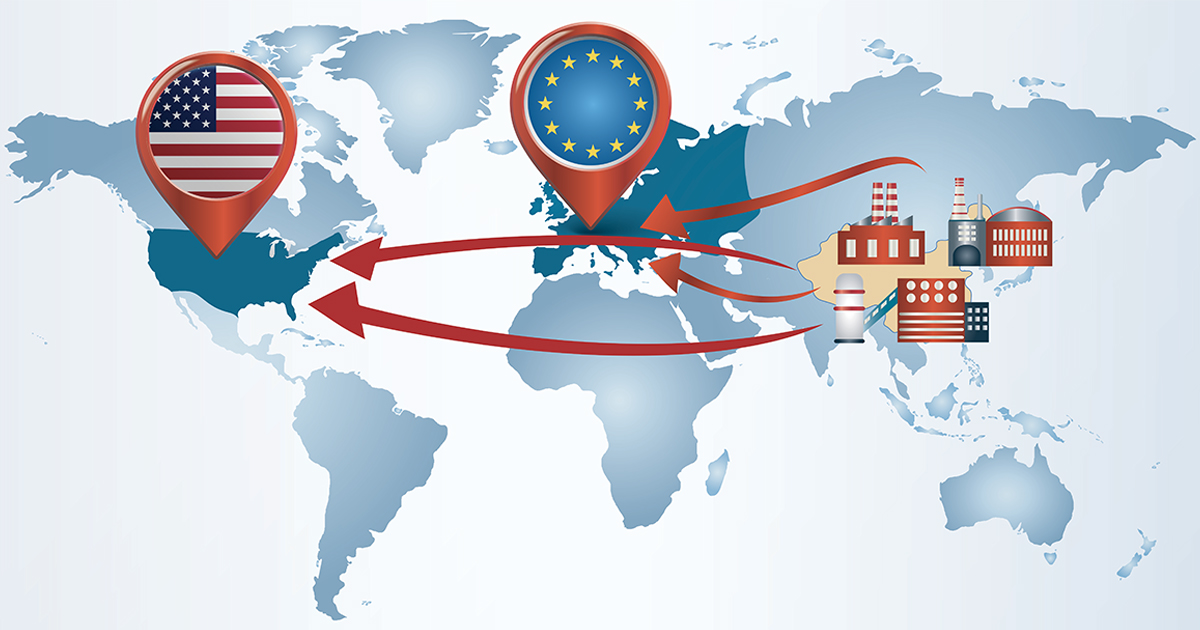
In global business strategy, companies must decide where to locate their operations. Two commonly used approaches are onshoring and offshoring. These strategies represent opposite ends of the geographic spectrum and have very different implications for cost, control, efficiency, and risk.
Understanding the difference between onshoring and offshoring helps organizations make better decisions about production, services, and workforce management in an increasingly interconnected world.
This article explores what onshoring and offshoring mean, their key differences, advantages, disadvantages, and when each strategy is most appropriate.
Definitions
Onshoring
Onshoring refers to keeping business operations within the company’s home country.
Examples:
- A company manufacturing products domestically
- Hiring local employees instead of outsourcing abroad
Offshoring
Offshoring involves relocating business operations to another country, often to reduce costs or access talent.
Examples:
- Outsourcing customer support to another country
- Manufacturing goods overseas
Key Difference
The main difference lies in location:
- Onshoring = domestic operations
- Offshoring = international operations
1. Cost Comparison
Onshoring
- Higher labor and operational costs
- More expensive infrastructure
Offshoring
- Lower labor costs
- Reduced operational expenses
Impact
Offshoring is typically chosen for cost savings, while onshoring prioritizes other factors.
2. Control and Oversight
Onshoring
- Direct management
- Easier supervision
Offshoring
- Less direct control
- Requires remote management
Impact
Onshoring offers greater control over operations and quality.
3. Communication and Collaboration
Onshoring
- Same language and culture
- Real-time communication
Offshoring
- Possible language barriers
- Time zone differences
Impact
Onshoring enables smoother communication and teamwork.
4. Quality Management
Onshoring
- Easier to maintain consistent standards
- Immediate feedback and corrections
Offshoring
- Requires structured quality control systems
Impact
Onshoring often leads to better quality consistency.
5. Time Zone Differences
Onshoring
- No time zone challenges
Offshoring
- Significant time differences
Impact
Offshoring may slow down communication but can enable 24/7 operations.
6. Access to Talent
Onshoring
- Limited to domestic workforce
Offshoring
- Access to global talent pools
Impact
Offshoring expands talent availability.
7. Legal and Regulatory Environment
Onshoring
- Familiar legal system
- Easier compliance
Offshoring
- Multiple legal frameworks
- More complex compliance requirements
Impact
Onshoring reduces legal complexity.
8. Risk Levels
Onshoring
- Lower operational and legal risk
Offshoring
- Higher risk due to distance and external factors
Impact
Onshoring is generally safer and more predictable.
9. Supply Chain Considerations
Onshoring
- Shorter supply chains
- Faster delivery
Offshoring
- Longer supply chains
- Potential delays
Impact
Onshoring improves supply chain reliability.
10. Customer Perception
Onshoring
- Positive perception (“local production”)
- Trust and quality association
Offshoring
- May raise concerns about quality or labor practices
Impact
Onshoring can strengthen brand reputation.
11. Flexibility and Speed
Onshoring
- Faster decision-making
- Quick response to changes
Offshoring
- Slower due to coordination challenges
Impact
Onshoring improves agility.
12. Economic Impact
Onshoring
- Supports domestic economy
- Creates local jobs
Offshoring
- Reduces domestic employment
- Supports global economies
Impact
Onshoring benefits the home country economically.
13. Technology and Automation
Onshoring
- Automation helps reduce labor cost disadvantages
Offshoring
- Still relies heavily on lower labor costs
Impact
Technology is making onshoring more competitive.
14. Environmental Impact
Onshoring
- Reduced transportation emissions
- Easier environmental regulation compliance
Offshoring
- Higher carbon footprint due to shipping
Impact
Onshoring supports sustainability goals.
15. When to Choose Onshoring
Companies prefer onshoring when:
- Quality and control are top priorities
- Intellectual property protection is critical
- Fast delivery is required
- Regulatory compliance is complex
16. When to Choose Offshoring
Companies prefer offshoring when:
- Cost reduction is the main goal
- Large-scale production is needed
- Access to specialized skills is required
- 24/7 operations are beneficial
Advantages and Disadvantages Summary
Onshoring Advantages
- Greater control
- Better communication
- Higher quality consistency
- Lower risk
Onshoring Disadvantages
- Higher costs
- Limited talent pool
Offshoring Advantages
- Cost savings
- Access to global talent
- Scalability
Offshoring Disadvantages
- Communication challenges
- Higher risk
- Complex management
Future Trends
Hybrid Models
Combining onshore and offshore operations.
Automation Growth
Reducing cost differences between locations.
Regionalization
Shifting toward closer or domestic operations.
Sustainability Focus
Encouraging local production.
Conclusion
Onshoring and offshoring represent two fundamentally different approaches to managing business operations. Onshoring prioritizes control, quality, and proximity, while offshoring focuses on cost efficiency and global scalability.
The best choice depends on a company’s goals, industry, and strategic priorities. In many cases, businesses adopt a hybrid approach, balancing the benefits of both strategies to achieve optimal performance in a competitive global market.
- Arts
- Business
- Computers
- Games
- Health
- Home
- Kids and Teens
- Money
- News
- Personal Development
- Recreation
- Regional
- Reference
- Science
- Shopping
- Society
- Sports
- Бизнес
- Деньги
- Дом
- Досуг
- Здоровье
- Игры
- Искусство
- Источники информации
- Компьютеры
- Личное развитие
- Наука
- Новости и СМИ
- Общество
- Покупки
- Спорт
- Страны и регионы
- World

 Russian
 French
 Spanish
 Portuguese
 Deutsch
 Turkish
 Dutch
Dutch
 Italiano
 Arabic
 Romaian
 Portuguese (Brazil)
 Greek
Greek