
How Do Global Events Affect Economic Conditions?
How Do Global Events Affect Economic Conditions?
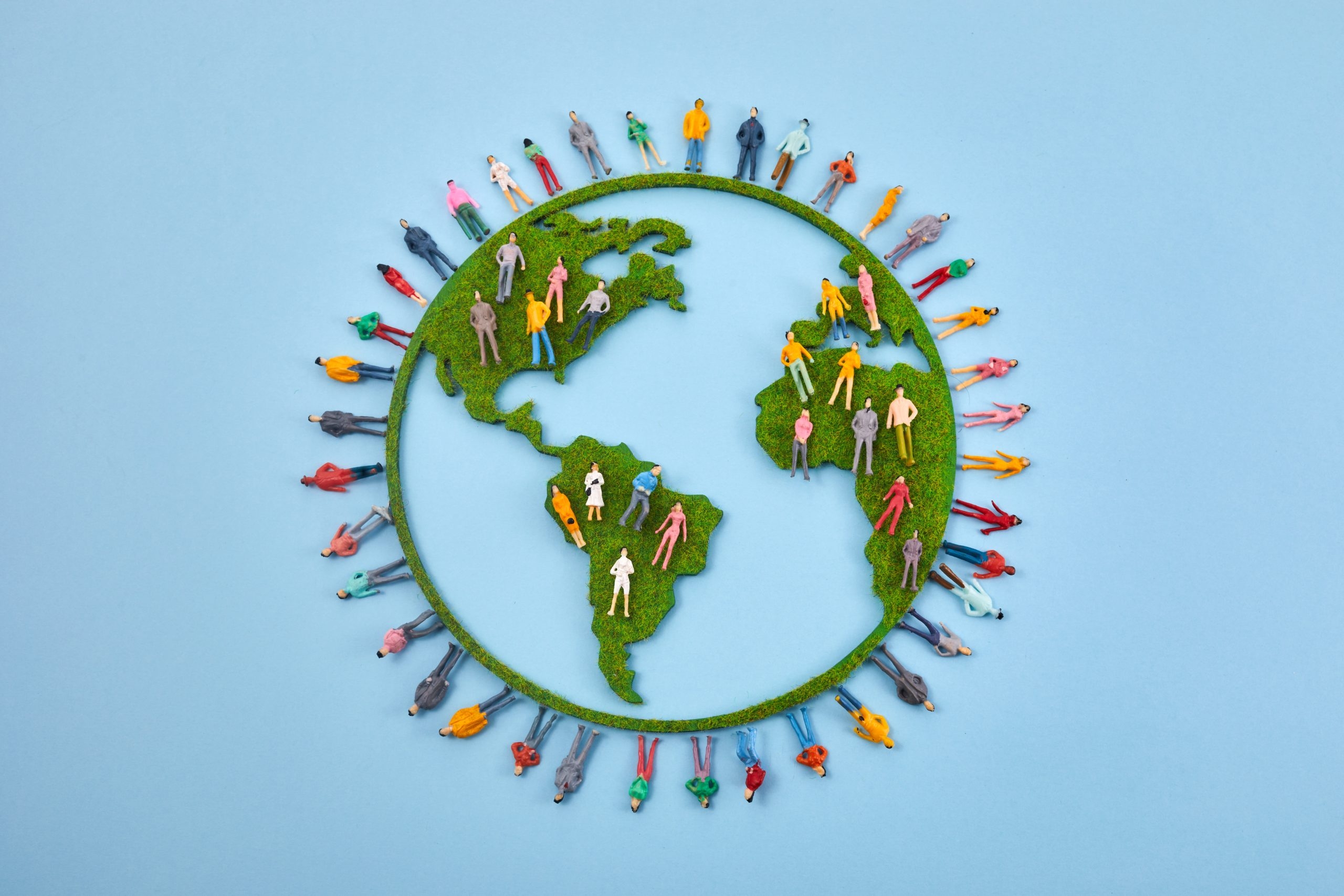
Economic conditions do not exist in isolation. They are constantly shaped and reshaped by global events—ranging from geopolitical conflicts and pandemics to technological breakthroughs and environmental crises. In an increasingly interconnected world, even a localized incident can ripple across continents, influencing trade, investment, employment, and overall economic stability. Understanding how these global events affect economic conditions is essential for governments, businesses, and individuals alike.
1. Geopolitical Conflicts and Political Instability
Wars, political tensions, and regime changes are among the most immediate and visible global events that influence economies. When conflict arises, it disrupts supply chains, damages infrastructure, and reduces investor confidence.
For example, armed conflicts often lead to higher government spending on defense, diverting resources away from social programs and development. Trade routes may become unsafe or inaccessible, increasing transportation costs and reducing the availability of goods. Sanctions imposed by other nations can isolate economies, limiting exports and access to international financial systems.
Political instability can also cause currency depreciation and capital flight, as investors seek safer markets. This often leads to inflation and reduced economic growth, affecting everyday citizens through higher prices and fewer job opportunities.
2. Global Health Crises
Pandemics and widespread health emergencies have profound economic consequences. They disrupt labor markets, reduce productivity, and strain healthcare systems.
A global health crisis can force governments to impose lockdowns or restrictions, which slow down economic activity. Businesses may close temporarily or permanently, leading to unemployment and reduced consumer spending. Sectors like tourism, hospitality, and transportation are particularly vulnerable.
At the same time, governments often respond with stimulus packages and increased public spending to support citizens and businesses. While this can provide short-term relief, it may also increase national debt and create long-term fiscal challenges.
3. Financial Crises and Market Shocks
Global financial crises often begin in one region but quickly spread across the world due to interconnected financial systems. Banking failures, stock market crashes, or housing market collapses can trigger widespread economic downturns.
These events typically lead to reduced lending, lower consumer confidence, and decreased investment. Businesses may cut costs by laying off workers or delaying expansion plans. Governments and central banks often intervene by lowering interest rates or injecting liquidity into the financial system to stabilize markets.
However, recovery from financial crises can take years, and their effects—such as unemployment and reduced income levels—can persist long after markets stabilize.
4. Technological Advancements
Not all global events have negative effects. Technological innovation can significantly boost economic conditions by improving productivity, creating new industries, and transforming existing ones.
Advances in automation, artificial intelligence, and digital communication have enabled businesses to operate more efficiently and reach global markets. E-commerce platforms, for example, have expanded access to goods and services, increasing competition and lowering prices for consumers.
However, technological change can also disrupt labor markets. Automation may replace certain jobs, requiring workers to adapt by acquiring new skills. This transition can create short-term unemployment and income inequality, even as it contributes to long-term economic growth.
5. Environmental Events and Climate Change
Natural disasters such as earthquakes, hurricanes, and floods can cause immediate economic damage by destroying infrastructure, homes, and businesses. Recovery efforts require significant financial resources and can strain government budgets.
Climate change, a longer-term global issue, is also reshaping economic conditions. Rising temperatures, changing weather patterns, and resource scarcity affect agriculture, energy production, and water availability. These changes can lead to higher food and energy prices, impacting both developed and developing economies.
At the same time, the push for sustainable practices and renewable energy is creating new economic opportunities. Investments in green technologies and infrastructure are generating jobs and fostering innovation.
6. Trade Policies and International Relations
Global events often influence trade policies, which in turn affect economic conditions. Tariffs, trade agreements, and diplomatic relations determine how goods and services move between countries.
When countries impose tariffs or engage in trade disputes, the cost of imported goods rises, leading to inflation and reduced consumer purchasing power. Export-dependent industries may suffer if access to foreign markets is restricted.
On the other hand, free trade agreements can stimulate economic growth by opening new markets and encouraging competition. They can lead to lower prices, increased efficiency, and greater economic integration.
7. Energy Supply and Resource Availability
Energy is a critical component of economic activity. Global events that affect energy supply—such as conflicts in oil-producing regions or changes in production policies—can have widespread economic consequences.
When energy prices rise, production and transportation costs increase, leading to higher prices for goods and services. This can reduce consumer spending and slow economic growth. Conversely, stable or lower energy prices can support economic expansion by reducing costs for businesses and households.
The transition to renewable energy sources is also reshaping global economic dynamics. Countries investing in alternative energy technologies may gain a competitive advantage in emerging industries.
8. Migration and Labor Markets
Global events such as conflicts, environmental changes, and economic disparities can lead to large-scale migration. This movement of people has both positive and negative economic effects.
In receiving countries, migrants can fill labor shortages, contribute to economic growth, and increase cultural diversity. However, sudden influxes of people can strain public services and infrastructure.
In countries of origin, migration can reduce unemployment but may also lead to a loss of skilled workers. Remittances sent back home can provide significant economic support to families and communities.
9. Investor Sentiment and Global Confidence
One of the less tangible but highly influential factors is investor sentiment. Global events shape perceptions of risk and opportunity, which in turn influence financial markets and economic decisions.
Positive developments, such as peace agreements or technological breakthroughs, can boost confidence and encourage investment. Negative events, like political unrest or economic uncertainty, can lead to market volatility and reduced investment.
Because financial markets are highly interconnected, changes in one region can quickly affect others. This interconnectedness amplifies the impact of global events on economic conditions worldwide.
Conclusion
Global events play a critical role in shaping economic conditions, influencing everything from trade and employment to inflation and growth. Whether through conflict, innovation, environmental change, or policy decisions, these events create both challenges and opportunities.
In a globalized economy, no country is immune to external influences. As a result, resilience and adaptability are key. Governments must develop policies that can respond effectively to global shocks, businesses must remain flexible in changing environments, and individuals must be prepared to adapt to evolving economic realities.
Understanding the link between global events and economic conditions is not just an academic exercise—it is essential for navigating the complexities of the modern world.
- Arts
- Business
- Computers
- Jocuri
- Health
- Home
- Kids and Teens
- Money
- News
- Personal Development
- Recreation
- Regional
- Reference
- Science
- Shopping
- Society
- Sports
- Бизнес
- Деньги
- Дом
- Досуг
- Здоровье
- Игры
- Искусство
- Источники информации
- Компьютеры
- Личное развитие
- Наука
- Новости и СМИ
- Общество
- Покупки
- Спорт
- Страны и регионы
- World

 English
 Russian
 French
 Spanish
 Portuguese
 Deutsch
 Turkish
 Dutch
Dutch
 Italiano
 Arabic
 Portuguese (Brazil)
 Greek
Greek
