
How Do Supply Chain Issues Affect Economic Conditions?
How Do Supply Chain Issues Affect Economic Conditions?
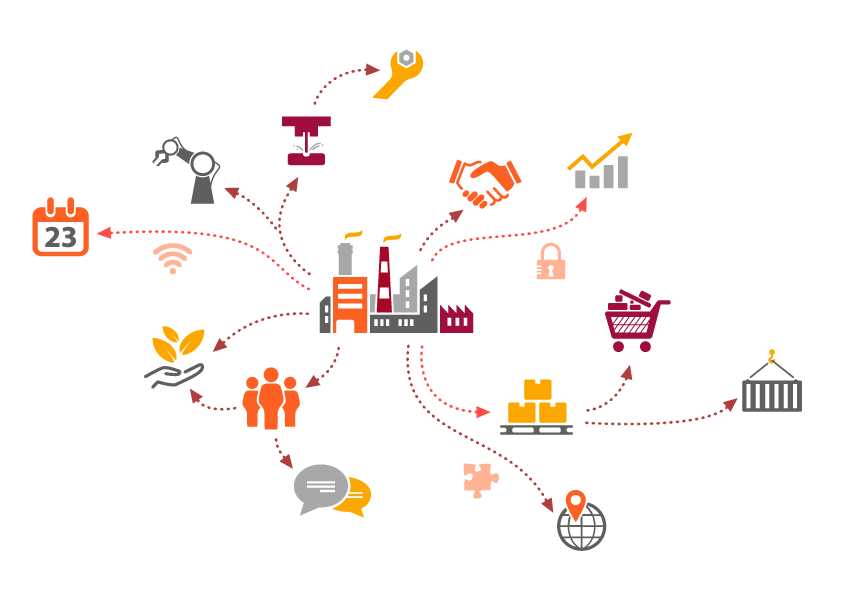
Supply chains are the backbone of modern economies, linking producers, suppliers, distributors, and consumers across regions and continents. When these systems function smoothly, goods flow efficiently, prices remain stable, and businesses can meet demand. However, when disruptions occur—whether due to natural disasters, geopolitical tensions, pandemics, or logistical failures—the effects ripple across the entire economy. Supply chain issues have become a defining feature of recent economic challenges, highlighting their powerful influence on inflation, growth, employment, and global trade.
Understanding Supply Chain Disruptions
A supply chain disruption occurs when the normal flow of goods and materials is interrupted. This can happen at any stage, from raw material extraction to manufacturing, transportation, and final delivery. For example, factory shutdowns, port congestion, labor shortages, or shortages of key components like semiconductors can halt production and delay shipments.
Modern supply chains are highly interconnected and often rely on “just-in-time” inventory systems, where companies maintain minimal stock to reduce costs. While efficient under normal conditions, this approach leaves little room for error. Even minor disruptions can cascade into larger problems, affecting multiple industries simultaneously.
Impact on Inflation
One of the most immediate economic effects of supply chain issues is inflation. When goods become scarce due to disruptions, their prices tend to rise. This is a basic principle of supply and demand: when supply decreases while demand remains constant or increases, prices go up.
For instance, if transportation bottlenecks delay the delivery of raw materials, manufacturers may produce fewer goods. Retailers, facing limited inventory, may raise prices. At the same time, increased shipping costs—such as higher fuel prices or container shortages—are often passed on to consumers.
This type of inflation, known as cost-push inflation, can spread across the economy. Higher prices for essential goods like food, energy, and consumer products reduce purchasing power, particularly for lower-income households.
Effects on Economic Growth
Supply chain disruptions can slow economic growth by limiting production and reducing business output. When companies cannot access the materials or components they need, they may be forced to cut back on production or halt operations altogether.
This reduction in output directly affects gross domestic product (GDP), a key measure of economic performance. Industries that rely heavily on global supply chains—such as automotive manufacturing, electronics, and retail—are particularly vulnerable.
Moreover, uncertainty caused by ongoing disruptions can discourage investment. Businesses may delay expansion plans or reduce spending due to concerns about future supply reliability. This hesitation can further dampen economic growth.
Employment Consequences
Supply chain issues also have significant implications for employment. When production slows or stops, companies may reduce working hours, implement hiring freezes, or lay off workers. In severe cases, entire industries may experience job losses.
However, the impact is not uniform across all sectors. While some industries suffer, others may see increased demand. For example, logistics and warehousing sectors often experience growth during supply chain disruptions as companies attempt to manage bottlenecks and improve distribution.
Additionally, labor shortages themselves can be a cause of supply chain problems. A lack of truck drivers, port workers, or factory employees can create delays and increase costs, further complicating economic conditions.
Disruptions to Global Trade
Supply chains are inherently global, with goods often crossing multiple borders before reaching consumers. Disruptions can therefore have international consequences, affecting trade balances and economic relationships between countries.
For example, if a major exporting country experiences production delays, importing countries may face shortages of critical goods. This can lead to trade imbalances, increased reliance on alternative suppliers, or even trade conflicts.
Geopolitical tensions can exacerbate these issues. Tariffs, sanctions, or restrictions on key exports—such as energy or rare minerals—can disrupt supply chains and force countries to rethink their trade strategies. Over time, this may lead to shifts in global trade patterns, such as reshoring (bringing production back domestically) or diversifying supply sources.
Business Costs and Profitability
Supply chain disruptions increase costs for businesses in several ways. Higher transportation expenses, increased wages to attract scarce labor, and the need to source materials from alternative (often more expensive) suppliers all contribute to rising operational costs.
To cope, companies may raise prices, reduce profit margins, or both. Smaller businesses, with fewer resources and less flexibility, are often hit the hardest. They may struggle to compete with larger firms that can absorb higher costs or secure priority access to limited supplies.
In some cases, businesses invest in building more resilient supply chains, such as by diversifying suppliers, increasing inventory levels, or adopting new technologies. While these measures can reduce vulnerability, they often come with higher upfront costs.
Consumer Behavior and Confidence
Supply chain issues also influence consumer behavior. When people anticipate shortages or rising prices, they may engage in panic buying or stockpiling, which can worsen shortages and drive prices even higher.
At the same time, persistent inflation and uncertainty can reduce consumer confidence. When households feel uncertain about the future or face higher living costs, they may cut back on discretionary spending. This decline in consumption can slow economic growth, as consumer spending is a major driver of most economies.
Long-Term Structural Changes
While supply chain disruptions can cause short-term economic challenges, they also lead to long-term structural changes. Businesses and governments often respond by rethinking how supply chains are organized and managed.
One major trend is the shift toward resilience over efficiency. Companies are increasingly prioritizing reliability, even if it means higher costs. This includes maintaining larger inventories, diversifying suppliers, and investing in local production.
Technological innovation is another important response. Automation, artificial intelligence, and advanced data analytics can help companies better predict disruptions and optimize supply chain operations. Digital tracking systems, for example, improve visibility and allow for quicker responses to delays.
Governments also play a role by implementing policies to strengthen supply chains. This may include investing in infrastructure, supporting domestic industries, or establishing strategic reserves of critical goods.
Conclusion
Supply chain issues have far-reaching effects on economic conditions, influencing everything from inflation and growth to employment and global trade. In an increasingly interconnected world, disruptions in one part of the supply chain can quickly spread across industries and borders.
While these challenges can create significant economic strain, they also drive innovation and adaptation. Businesses and governments are learning to build more resilient and flexible supply chains, which may help mitigate future disruptions.
Ultimately, understanding the impact of supply chain issues is essential for navigating modern economic realities. As global systems continue to evolve, the ability to manage and respond to these disruptions will remain a key factor in economic stability and growth.
- Arts
- Business
- Computers
- Jeux
- Health
- Domicile
- Kids and Teens
- Argent
- News
- Personal Development
- Recreation
- Regional
- Reference
- Science
- Shopping
- Society
- Sports
- Бизнес
- Деньги
- Дом
- Досуг
- Здоровье
- Игры
- Искусство
- Источники информации
- Компьютеры
- Личное развитие
- Наука
- Новости и СМИ
- Общество
- Покупки
- Спорт
- Страны и регионы
- World

 English
 Russian
 Spanish
 Portuguese
 Deutsch
 Turkish
 Dutch
Dutch
 Italiano
 Arabic
 Romaian
 Portuguese (Brazil)
 Greek
Greek
